
Reviewed · COOKING CLASSES
Croatian Traditional Cuisine: Peka Cooking Lesson
Peka cooking is simple to explain and hard to master. This Dubrovnik-area traditional cuisine lesson takes you out to the village of Mokošica, where you learn how meat and vegetables are cooked under the famous bell-like dome. I love that the experience is small (max 8) and feels personal, not like a factory tour.
Two parts in particular make this one worth your time: the hands-on feel of the process around the peka, and the fact that you’re eating what you learned about right after it comes out hot. You’re also treated to homemade wine, plus that real village rhythm where food comes first and questions are welcome.
The main drawback is the price. At about $162.47 per person, it’s not a budget meal, and the schedule is seasonal (lunch runs only from April through October), so you’ll want to plan carefully before you commit.
In This Review
- Key highlights worth caring about
- Why peka in Mokošica feels more like a home visit than a show
- The peka dome: what you’re really learning
- Your 4 hours: from Dubrovnik pickup to your first full bite
- What happens during the cooking lesson
- When you eat
- What’s included in the meal, and what that means for value
- Beyond the dome: the Croatian food-and-farm story you take home
- Price and logistics: what you’re paying for
- Who should book this peka lesson (and who might skip it)
- Should you book? My call on value
- FAQ
- FAQ
- What is the duration of the Peka cooking lesson?
- Where does the experience take place?
- What time does it start?
- Is the tour private?
- How big is the group?
- Is there a vegetarian option?
- Is pickup and drop-off included?
- What’s included in the price for lunch?
- Is the experience offered in English?
- Can I get a refund if plans change?
Key highlights worth caring about
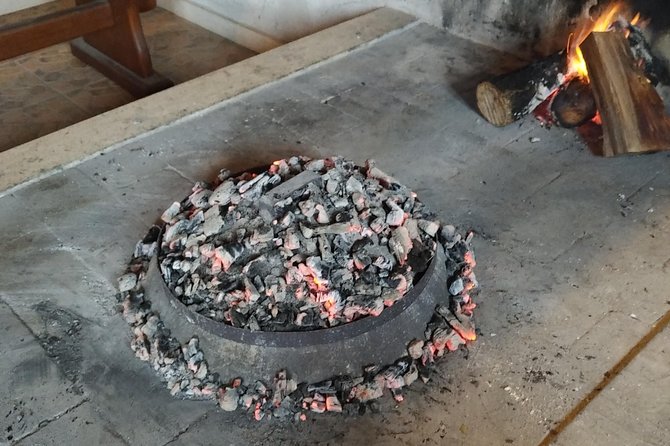
- Peka, the dome cooking method: Learn how the bell-shaped lid turns coals into a steady, even heat for meat and vegetables.
- Village setting in Mokošica: You go beyond Dubrovnik’s city center into a quieter hillside home base at OPG Vukojević.
- Homemade wine with your meal: You’re not just watching cooking—you’re drinking and eating what you’re taught.
- Small private group: Max 8 people, minimum age 18, and it’s only your group.
- Hotel pickup/drop-off in Dubrovnik: A guide meets you and brings you back, so you’re not stressed about logistics.
A few more Dubrovnik trips to round out the shortlist
- Traditional Cooking Class in Dubrovnik Countryside★ 5.0 · 168 reviews
- Traditional Dalmatian Cooking Class from Dubrovnik★ 5.0 · 49 reviews
- Authentic Garden to Table Cooking Class in Dubrovnik Countryside★ 5.0 · 17 reviews
- Dubrovnik: Private Cooking Experience with Wine Tasting★ 5.0 · 3 reviews
Why peka in Mokošica feels more like a home visit than a show
Dubrovnik is packed in summer. This tour gives you an out-of-town contrast fast, taking you to the village of Mokošica, where the setting shifts from tourist streets to everyday cooking land. The experience is hosted at OPG Vukojević, which matters because OPGs (family farm/homestead setups) usually run on real routines, not scripted performance.
The host’s hospitality is a big part of the value. One of the strongest themes in what you can expect is warmth: meeting family members, being offered bread/cheese/olive oil while the peka cooks, and getting plenty of practical talk about Croatian food and daily life. It doesn’t feel like you’re being hurried through a checklist.
You’ll also notice the “no theater” vibe described by previous diners. That usually means less focus on staged explanations and more focus on how a dome, coals, and timing actually work together. For food nerds, that’s the good stuff.
The peka dome: what you’re really learning
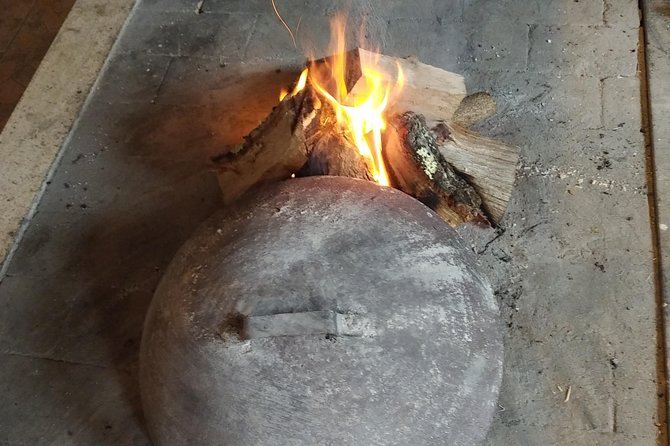
Peka is named after the bell-like dome (often metal or cast iron, though traditionalists prefer earthenware). The important point isn’t the trivia—it’s why the dome matters. Under that cover, meat and vegetables cook with steady heat from below, and the dome helps create a sealed, oven-like environment.
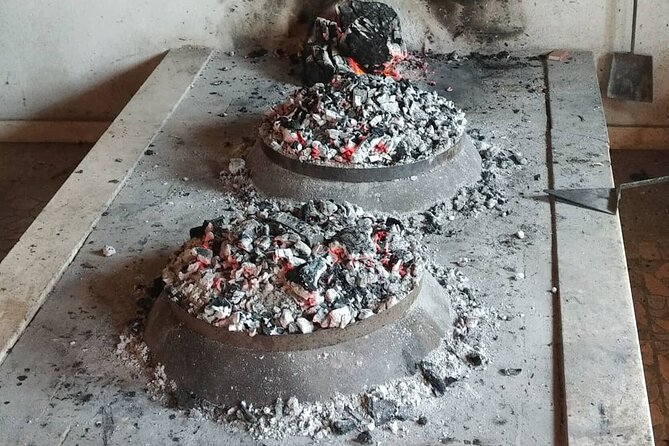
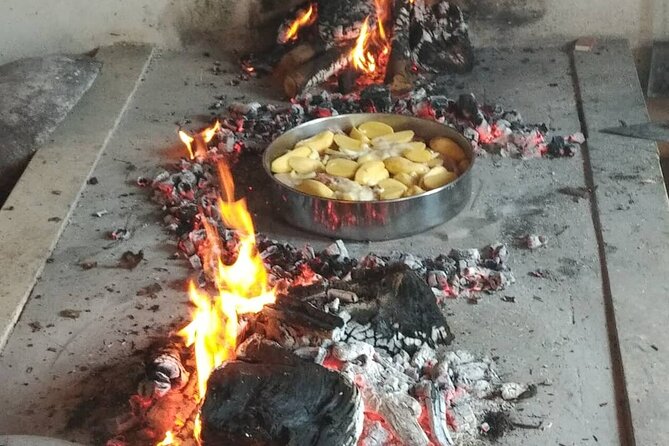
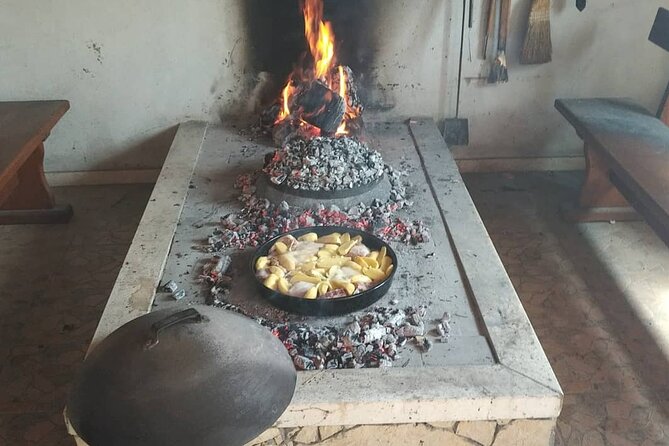
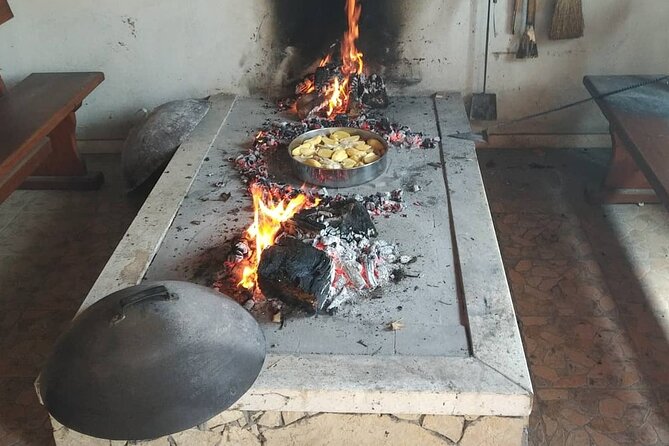
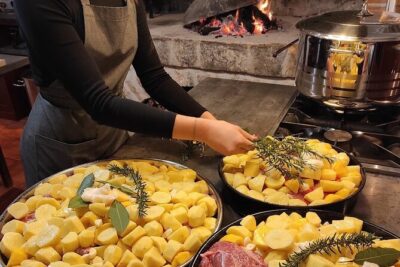
Here’s the core idea you’ll learn: food goes into a fireproof pot under hot coals, or it’s placed directly on a stone slab. Either way, the dome sits on top and traps the cooking conditions so the dish turns tender without drying out. It takes experience to judge heat and timing, which is why watching someone who does this regularly is more useful than reading a recipe.
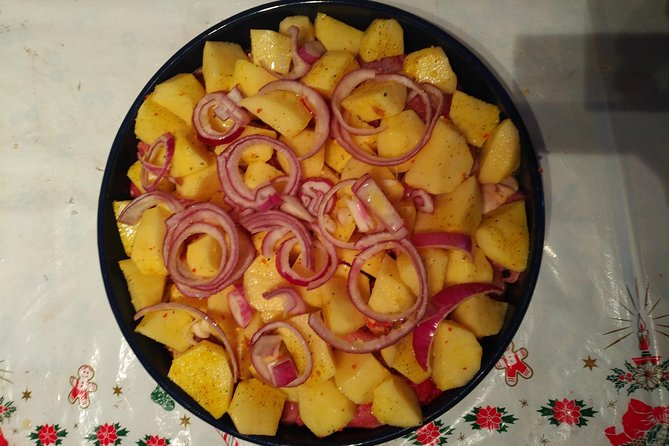
The typical peka you’ll see is hearty and classic: veal, lamb, or yearling beef covered with potatoes and vegetables. You’ll also get a sense for how “simple” doesn’t mean “easy.” The dish looks straightforward on a menu, but getting the heat right under coals is where the skill lives.
If you’re the kind of traveler who likes to understand the why, this is a good match. You won’t just get a meal—you’ll leave knowing what’s happening under the dome while you wait.
Your 4 hours: from Dubrovnik pickup to your first full bite
The timing is built for a relaxed midday meal. The experience starts with your guide picking you up around 9:00 am from the Dubrovnik area (hotel or private apartment is the expectation), and you’ll head toward Mokošica. The overall duration is about 4 hours.
Once you arrive at OPG Vukojević, the day’s rhythm turns slow in a good way: you settle in, you learn the setup, and you get fed while the cooking does its thing. In the seasonal format, lunch is the meal focus, and cooking class timing is tied to lunch—so for the class session, plan around the 09:30 start for the cooking portion.
On the drive, you might get small glimpses that add context to the region. One description you can count on is the scenic, out-of-town route with war-era bunkers along the way, plus story sharing from the driver if they have time. Even if you’re not visiting history sites, those roadside details help you understand why Dubrovnik’s countryside feels the way it does.
What happens during the cooking lesson
You can expect a guided demonstration of how peka cooking works, including the domed lid and how the meal is arranged for heat from below. There’s usually a focus on meat and potato/vegetable layering, because that’s where the final texture comes from.
While the peka cooks, you’ll be served things like homemade bread, cheese, and olive oil. This is practical travel value: you’re not sitting in silence waiting for food, and the early tastings help you learn the local pantry while the dome does its job.
A few more Dubrovnik trips to round out the shortlist
- Traditional Cooking Class in Dubrovnik Countryside
★ 5.0 · 168 reviews - Traditional Dalmatian Cooking Class from Dubrovnik
★ 5.0 · 49 reviews - Authentic Garden to Table Cooking Class in Dubrovnik Countryside
★ 5.0 · 17 reviews - Croatian Traditional Cuisine: Peka Cooking Lesson
★ 5.0 · 10 reviews - Dubrovnik: Local Wine, Dine and Design Workshop
★ 4.8 · 10 reviews
When you eat
You choose the time of eating within the tour’s flexible format, but for the lunch class version, it starts around late morning. In other words, this is not a late-night snack tour—it’s designed to land you at a proper meal.
What’s included in the meal, and what that means for value
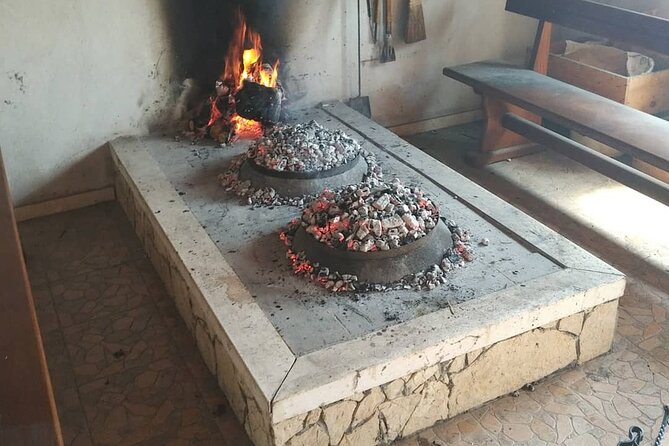
The official inclusions include lunch (seasonal), plus homemade wine. That’s already a strong base because it turns the visit into more than an educational stop—you’re paying for a full experience that ends at the table.
One reason I like this format is that wine is part of the same flow as the food. Homemade wine being included means you don’t need to figure out a separate restaurant plan in Dubrovnik after. You eat where you learned, and that reduces decision fatigue.
Also, peka is often paired with local reds (miljas is specifically mentioned as a great match). Even if your included pour is homemade wine, it’s useful to know this pairing tradition because it helps you understand why the meal tastes the way it does. You’re building flavor context, not just collecting a dish.
In some sessions, you may also encounter grappa during the visit. The host culture here often includes small extras that go beyond the core lunch plan, like serving traditional homemade items while you wait for the dome to finish.
Beyond the dome: the Croatian food-and-farm story you take home
A big reason this experience gets repeated praise is that it doesn’t treat food as just a product. You get explanations about what Croatians grow and make, and you’ll hear about how the household operates around harvest and cooking.
That matters because Dubrovnik is famous, but much of your learning there can be surface-level. Here, the talk tends to connect ingredients to the region and to the way families keep food going through the year.
If you’re interested in takeaways, there’s also a chance to buy items to bring home. Descriptions include olive oil and wine purchases, and the host is known for making things like prosciutto. I’d treat any buying as a bonus, not a guarantee, but the possibility is there because this is tied to a real home operation.
Price and logistics: what you’re paying for
At $162.47 per person, you’re paying for a few things at once:
- A private group setup (max 8, only your group)
- A real countryside kitchen setting in Mokošica
- A guided cooking lesson with food served during the cooking process
- Included lunch and homemade wine (during the seasonal window)
Could you eat peka in Dubrovnik for less? Probably. But peka in a restaurant usually won’t teach you the dome method, and it won’t give you that village-to-table context. The price makes more sense when you think of it as a small-group cultural meal workshop, not just a lunch.
Two logistics points to keep in mind:
- Transportation is partly covered by the experience, because the guide picks you up and drops you back at your hotel in Dubrovnik. At the same time, the listing notes private transportation and transfer to/from the place back are not included. If you’re unsure how that plays out for your specific lodging, ask before you go.
- It’s offered in English and designed for adults only (minimum age 18).
If you’re trying to squeeze this into a busy day, don’t. Give it time to breathe. This is the kind of meal where the wait is part of the lesson.
Who should book this peka lesson (and who might skip it)
Book it if you:
- Want authentic Croatian food that connects to a method, not just a menu item
- Prefer small-group experiences where you can ask questions
- Enjoy countryside settings and don’t mind a village trip outside Dubrovnik
- Are traveling as a couple or small group (max 8 makes it feel intentional)
Consider skipping if you:
- Only want a quick tasting and don’t care about the cooking process
- Need very rigid scheduling with no seasonal limits (lunch is only listed for Apr–Oct 2026)
- Are looking for a low-cost option. This is priced as a premium home-style experience.
Also, if you’re vegetarian, this tour says a vegetarian option is available—just advise at booking so the host can plan.
Should you book? My call on value
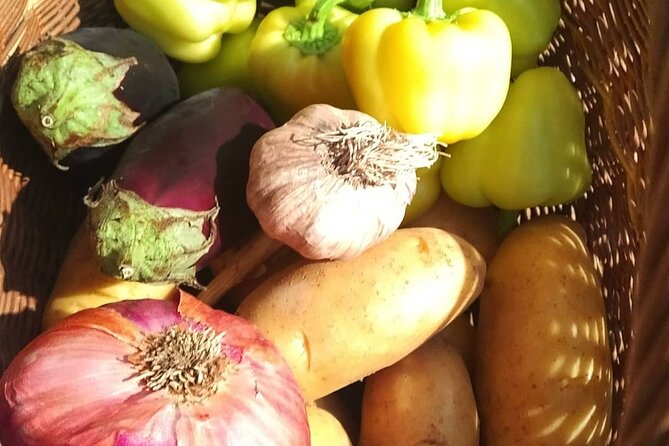
I’d book this if you care about the “how” behind a famous Croatian dish. Peka is one of those foods where method matters, and you’ll learn it in a setting that feels like someone’s home rather than a scripted class.
The biggest reason to hesitate is the price. If you’re counting every euro and your main goal is simply to eat peka, you can likely find cheaper meals in Dubrovnik. But if you want a memorable lunch with instruction, local hospitality, and the dome-cooking story that most restaurants can’t teach, this is a strong use of your time.
FAQ
FAQ
What is the duration of the Peka cooking lesson?
It’s listed as about 4 hours.
Where does the experience take place?
The cooking lesson is in the village of Mokošica, at OPG Vukojević. The meeting point address is Ul. za Belendinovo 3, 20236, Mokošica, Croatia.
What time does it start?
The start time is 9:00 am. The cooking class portion is tied to a lunch session and starts at 09:30 am for that class format.
Is the tour private?
Yes. It’s described as a private tour/activity, and only your group participates.
How big is the group?
A maximum of 8 people per booking is listed.
Is there a vegetarian option?
Yes, a vegetarian option is available. You need to advise at the time of booking.
Is pickup and drop-off included?
The highlights say the guide picks you up and drops you off at your hotel in Dubrovnik. At the same time, private transportation and transfer to place and back are listed as not included, so it’s smart to confirm how pickup works for your lodging.
What’s included in the price for lunch?
Lunch is included for the seasonal dates listed (01.04.2026 to 30.10.2026), and homemade wine is included as well.
Is the experience offered in English?
Yes, it’s offered in English.
Can I get a refund if plans change?
No. It’s listed as non-refundable and cannot be changed for any reason.
More Workshops in Dubrovnik


More Cooking Classes in Dubrovnik
More Tour Reviews in Dubrovnik
Fresh on the Dubrovnik shortlist


Cooking Classes, compared.
 ★ 5.0Traditional Cooking Class in Dubrovnik CountrysideFrom $290168 reviews
 ★ 5.0Traditional Dalmatian Cooking Class from DubrovnikFrom $23549 reviews
 ★ 5.0Authentic Garden to Table Cooking Class in Dubrovnik CountrysideFrom $20817 reviews
 ★ 5.0Private Cooking Experience with Wine TastingFrom $9953 reviews
Browse the lists this tour appears in