
Reviewed · CITY WALLS & OLD TOWN
Dubrovnik: Walking tour of the Old Town- Morning/Afternoon
Dubrovnik can feel like a movie set, minus the crush. This walking tour takes you through the Old Town’s main landmarks in calmer morning/afternoon light, with a route that makes the city’s layout click fast. I especially like the way Lucija (born and raised in Dubrovnik) blends monument stops with stories about everyday life in Croatia and Dubrovnik’s deep respect for St. Blaise.
One thing to consider: this experience keeps things outside. You won’t go into museums or the city walls (and the walk is not suitable for wheelchair users), so plan your expectations around exteriors and street-level context rather than ticketed attractions.
In This Review
- Quick takeaways
- Finding the guide at Amerling Fountain near Pile Gate
- Stradun walkthrough: orientation, safety, and the Old Town rhythm
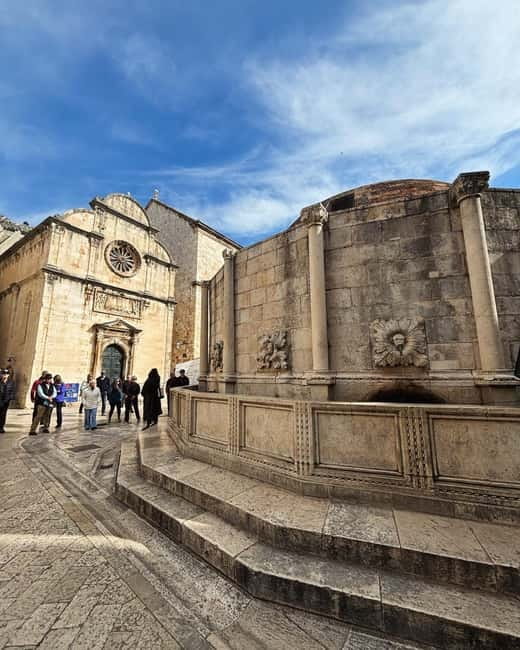
- Pile Gate views and Onofrio’s Fountain details
- Orlando’s Column and the Cathedral area: power and identity in public space
- Maskeron and the Franciscan Monastery exterior stops
- Rector’s Palace exterior finish: understanding governance without the ticket
- Why the St. Blaise stories feel more real than dates on a timeline
- Practical rules that keep the walk smooth
- Price and value: $22 for a local-licensed guide, not museum tickets
- Who this tour is best for
- Should you book this Dubrovnik Old Town walking tour?
- FAQ
- How long is the walking tour?
- Where do I meet the guide?
- What is included in the price?
- What isn’t included?
- Which languages are offered?
- Is the tour wheelchair accessible?
- Can I cancel and get a refund?
Quick takeaways
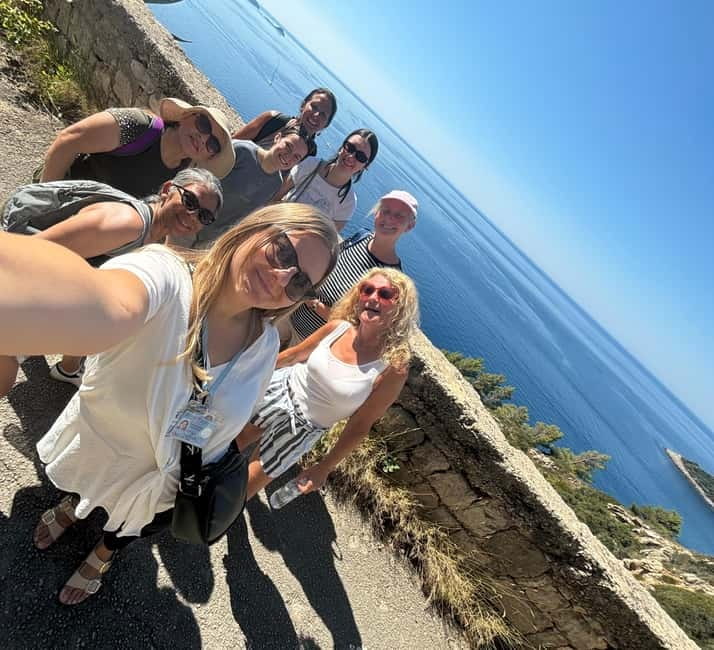
- Lucija’s local stories bring Dubrovnik to life, mixing history with how people live today
- Cooler timing helps you enjoy Stradun and the main sights without the worst heat and crowd pressure
- Focused, 90-minute route hits the big monuments without turning into a long day
- Outside-only viewing means no city walls or museum entrances are included
- Practical guidance includes a safety briefing so you know how to move through the Old Town streets
- Easy meeting point is right by the Pile Gate bus area at the Amerling Fountain
More time up on the ramparts and inside the Old Town
- Dubrovnik: Old Town Walking Tour★ 4.8 · 5,174 reviews
- Dubrovnik Discovery Old Town Walking Tour★ 5.0 · 4,458 reviews
- Dubrovnik Old Town History Walking Tour★ 5.0 · 1,684 reviews
- Dubrovnik: City Walls Early Morning or Sunset Walking Tour★ 4.8 · 1,523 reviews
Finding the guide at Amerling Fountain near Pile Gate
You start at the Amerling Fountain area by the Pile Gate, where buses stop. It’s one of those locations that feels central the moment you arrive: you’re at the gateway to the Old Town, not a hidden side street.
Your guide will be holding a sign that says About Dubrovnik. That small detail matters, because the Old Town entrance area can feel busy and confusing when you’re matching up with a group.
This tour also sets a good tone right away: it’s a guided walk with a professional, licensed guide born and raised in Dubrovnik, not a generic slideshow of landmarks. That matters because Dubrovnik’s stones have a lot of meaning, and a local can explain why without turning the whole thing into a lecture.
Stradun walkthrough: orientation, safety, and the Old Town rhythm
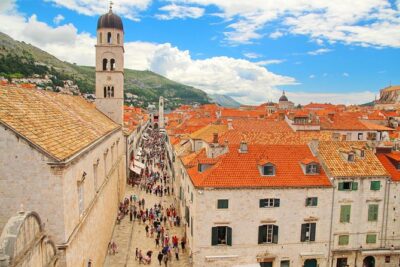
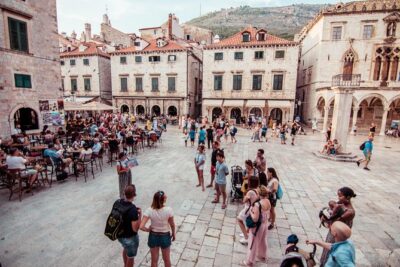
The first major stop is Stradun, the Old Town’s main street and the spine you’ll keep seeing from other angles later. You’ll spend time here for guided sightseeing, plus a safety briefing to help you navigate the street flow.
This is a smart way to begin. Before you start chasing columns, fountains, and palaces, you get your bearings. Stradun can look straightforward on a map, but on foot it’s about timing, lane choices, and knowing where the street opens up toward the other monuments.
You’ll also get a sense for how the Old Town works as a living place. The guide connects what you see with how local life continued through changing eras—so the street isn’t just a pretty corridor. It becomes a timeline you walk through at human speed.
The length also helps. With a total duration of 90 minutes, Stradun doesn’t swallow the whole experience. You get the orientation without losing the rest of the highlights.
Pile Gate views and Onofrio’s Fountain details
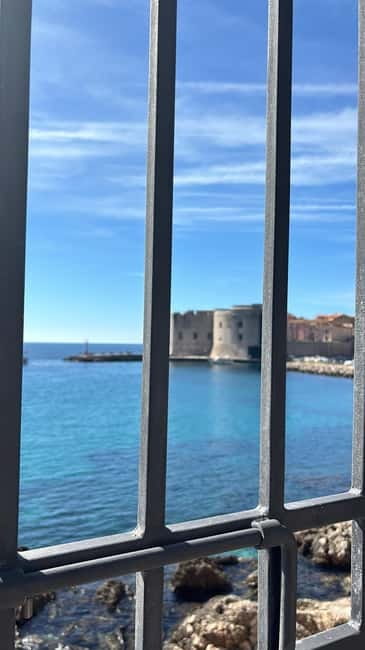
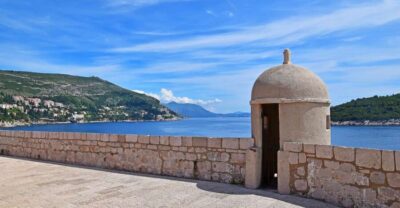
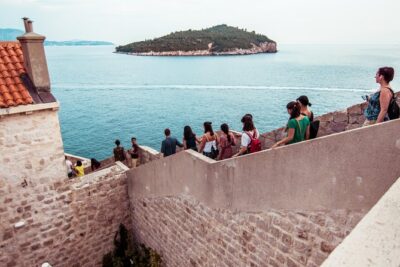
From the start area near Pile Gate, you’re in the right mood for the city’s defensive story. Dubrovnik’s Old Town is famous for its walls and fortifications, but this tour takes a different approach: you learn the significance without buying a wall ticket. That can be a plus if you want context now and choose wall walking later on your own schedule.
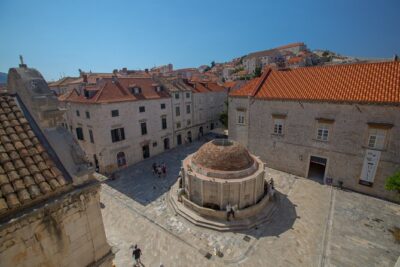
As you move through the area, you’ll also see Onofrio’s Fountain, one of Dubrovnik’s landmark fountains tied to the city’s public life. Fountains in historic towns are more than decoration; they point to what mattered day to day—water access, civic pride, and how a city wanted to present itself.
And you’ll see the Pile Gate itself as part of the bigger picture. Dubrovnik wasn’t built only for travelers; it was built to function, protect, and project authority. A good local guide makes that clear with small explanations that connect architecture to real decisions people made back then.
Orlando’s Column and the Cathedral area: power and identity in public space
Next up is Orlando’s Column, with a photo stop and guided walk time. This is where Dubrovnik’s identity shows up in one of the most recognizable ways. You’re not just looking at a monument—you’re learning what it signals about the city’s past role and how it represented itself.
After that, the tour includes the Cathedral area as part of the Old Town’s key monument sequence. Even if you’re only viewing from the outside, the Cathedral location anchors the spiritual side of Dubrovnik’s story. In places like this, religion and civic life aren’t separate chapters; they overlap in how people understood community, order, and protection.
One of the best parts is how the guide ties the stones to the bigger theme: Dubrovnik’s importance in the past and why the city earned its reputation. You leave with a clearer sense of the city not just as scenery, but as a place that held influence, decisions, and meaning.
If you’re the type who likes to understand what you’re seeing before moving on, this segment is where the tour starts paying off in a big way.
Dubrovnik on foot, a few more routes off the Stradun
- Dubrovnik: Game of Thrones Walking Tour
★ 5.0 · 1,732 reviews - Dubrovnik: Ancient City Walls & Wars Walking Tour
★ 5.0 · 1,270 reviews - Dubrovnik: City Walls, Old Town Walking Tour & Adriatic View
★ 4.9 · 982 reviews - Dubrovnik: Game of Thrones Walking Tour
★ 4.9 · 981 reviews - ‘Game of Thrones’ Walking Tour in Dubrovnik
★ 4.5 · 945 reviews
Maskeron and the Franciscan Monastery exterior stops
The walk also includes Dubrovnik Maskeron—another landmark you’ll notice right away once it’s pointed out. It’s the kind of detail many people miss because they’re focused on the big-picture skyline. A guide helps you connect these smaller pieces to the city’s personality and identity.
Then you’ll see the Franciscan Monastery exterior. This is one of those stops where you get a sense of continuity. Monasteries in historic cities don’t just sit there; they reflect values that helped shape community life for centuries.
These exterior-focused stops are useful because they fit the tour’s promise: you’re learning fast without turning the day into a checklist of paid entrances. If you’re planning to do other activities afterward, this keeps your afternoon flexible.
It’s also a relief if you don’t want to spend your limited time standing in lines or hunting for ticket gates. You get the visual impact and context, then you can decide what else deserves your money.
Rector’s Palace exterior finish: understanding governance without the ticket
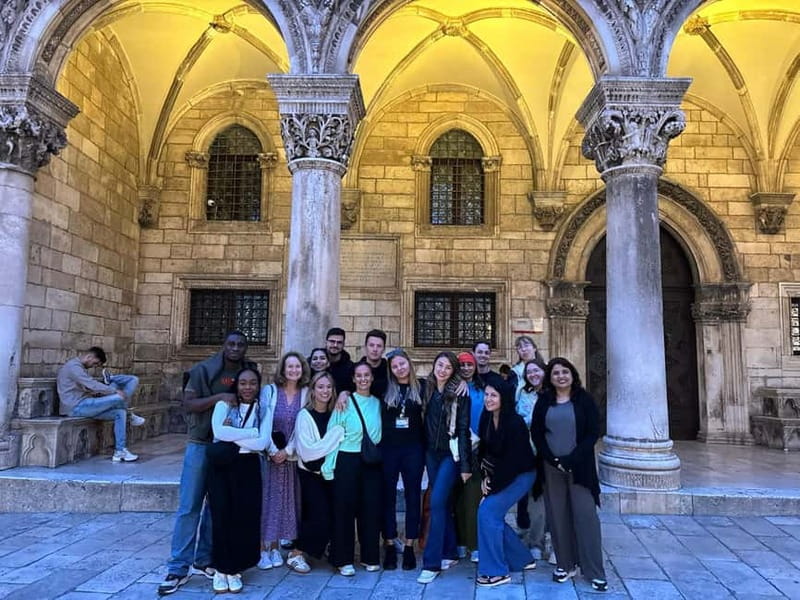
The tour ends in front of the impressive Rector’s Palace, with a final guided walk segment and the finish point at Kulturno-povijesni muzej u Kneževu dvoru (outside). You’ll see the palace as an exterior highlight, not as a museum visit.
This stop feels like the payoff because it pulls together themes the guide has been setting up since the start: power, leadership, and the way Dubrovnik organized itself. Even without going inside, the scale and position of the palace tell you it wasn’t built to be modest. It was built to matter.
If you’re into politics, governance, or how cities worked historically, this ending lands well. One of the most praised parts of this tour is how the guide shares stories that connect history and social life, including Dubrovnik’s political context. Ending here gives those stories a physical anchor.
Then you’re done—90 minutes total—so you’re not stuck waiting for a museum timeline you didn’t sign up for.
Why the St. Blaise stories feel more real than dates on a timeline
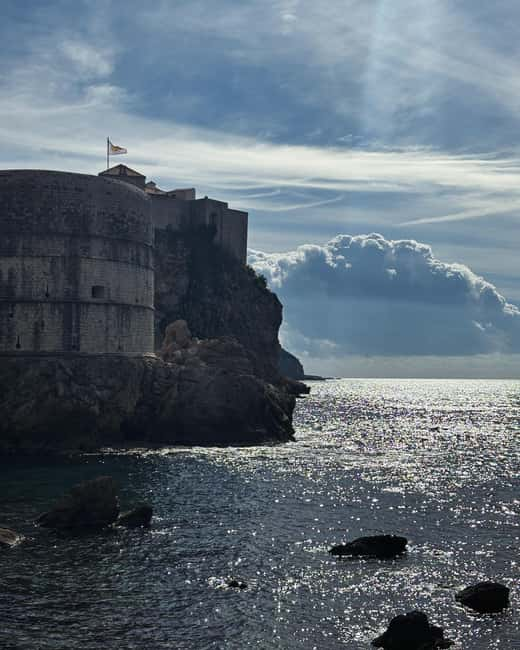
Dubrovnik’s identity is tied to religious and civic tradition, and the guide puts extra attention on the importance of St. Blaise and why local people respect him. The best tours don’t just name saints and dates; they explain why the belief matters in practice.
In this case, you also hear how local people live today. That combination makes the history feel anchored rather than distant. You’re not only learning what happened; you’re learning how the city carries those values forward.
The other standout from the guide’s approach is personal storytelling. In feedback about the tour, the guide’s examples include references to her own life and family experiences, plus a way of explaining Croatian history that connects bigger events to everyday understanding.
That style is especially helpful if your group isn’t made up of hardcore history buffs. You can be curious about monuments and still feel like you’re hearing human-scale insights.
Practical rules that keep the walk smooth
Like most guided Old Town walks, this one has simple rules that help things stay organized. You can’t smoke or record audio, and you also won’t want to bring anything that could create safety problems—no weapons or sharp objects.
Food and drinks aren’t part of the tour, so you’re best off planning to grab a snack before or after. The same goes for transportation: getting to the meeting point is on you, which is easy because the start is at a known bus-stop area.
If you’re the type who likes to stay considerate of group pace, the rules about making noise fit the setting well. A quieter, focused group tends to hear the guide’s details, and that’s where the value lives.
Price and value: $22 for a local-licensed guide, not museum tickets
At $22 per person for a 90-minute guided walk, you’re paying mainly for interpretation: a licensed guide, a set route through major monuments, and the context that turns landmarks into a story.
It’s also important what’s not included. You won’t get entry tickets to museums or city walls. That makes the price structure clearer: you’re not paying to cover admission costs; you’re paying for the guided walkthrough and the explanation of why each spot matters.
So if your priority is grabbing a ticket and spending time inside, you might prefer an option that includes entrances. If your priority is understanding the Old Town layout and meanings while the city is cooler and calmer, this price feels fair for what you get.
Who this tour is best for
I think this is a great choice if you want an efficient Old Town orientation with guided interpretation, especially when you’re visiting during peak summer days. The timing element is the big deal: cooler hours help you enjoy the route without feeling like you’re pushing through heat or battling crowds at every corner.
It’s also a strong fit if you like history, but only when it’s explained in a way you can remember. The guide’s storytelling style—mixing Dubrovnik’s past with how people live today—makes the information stick better than a list of dates.
If you’re traveling with kids, this may work depending on attention span, because it’s short at 90 minutes and focuses on visible sights. But if you need wheelchair access, this one isn’t suitable as listed.
And if you’re hoping for a day filled with museums and ticketed interiors, you’ll likely want to pair this with separate attractions.
Should you book this Dubrovnik Old Town walking tour?
Book it if you want a guided, exterior-focused orientation that helps you understand Dubrovnik quickly and enjoy it in better comfort. Starting near Pile Gate and working through Stradun, Orlando’s Column, and the Rector’s Palace area is a sensible use of time, especially when the heat and crowds are already starting to feel heavy later in the day.
Skip it or plan alternatives if you specifically want to enter museums or walk the city walls. Since this tour keeps those as admired-from-outside stops, you’ll still see the key architecture, but you won’t spend time inside.
Bottom line: for $22 and 90 minutes, you get a locally guided route with human stories and practical context. If that’s your style, it’s a very solid way to start (or reset) your Dubrovnik day.
FAQ
How long is the walking tour?
The tour lasts 90 minutes.
Where do I meet the guide?
Meet your guide in front of the Amerling Fountain at the Pile Gate area, where buses stop. The guide will be holding a sign that says About Dubrovnik.
What is included in the price?
You get a professional, licensed guide born and raised in Dubrovnik, a tour of the most important monuments, and insights into local life and history.
What isn’t included?
Entry tickets to museums or city walls, food and drinks, transportation to and from the meeting point, and personal expenses are not included.
Which languages are offered?
The live guide provides English, Croatian, and Bosnian.
Is the tour wheelchair accessible?
No, it is not suitable for wheelchair users.
Can I cancel and get a refund?
Yes. Free cancellation is available up to 24 hours in advance for a full refund.
Keep Walking the Old Town


The Walls & Old Town, More Ways In

More Tour Reviews in Dubrovnik



Fresh on the Dubrovnik shortlist





City Walls & Old Town, compared.
 ★ 4.8Old Town Walking TourFrom $235,174 reviews
 ★ 5.0Dubrovnik Discovery Old Town Walking TourFrom $244,458 reviews
 ★ 5.0Dubrovnik Old Town History Walking TourFrom $241,684 reviews
 ★ 4.8City Walls Early Morning or Sunset Walking TourFrom $291,523 reviews
 ★ 5.0Ancient City Walls & Wars Walking TourFrom $301,270 reviews
 ★ 5.0Dubrovnik Combo: Old Town & Ancient City WallsFrom $521,019 reviews
 ★ 4.9City Walls, Old Town Walking Tour & Adriatic ViewFrom $27982 reviews
 ★ 4.9Blue Cave Tour with Panoramic Old Town ViewFrom $73884 reviews
Browse the lists this tour appears in