
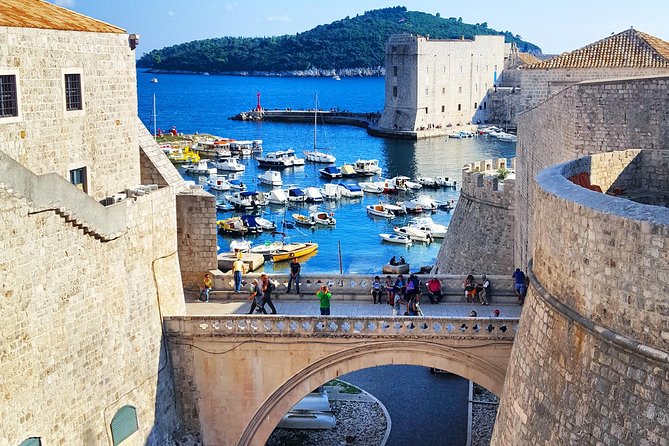
Reviewed · HISTORICAL TOURS
Dubrovnik walking history tour
Dubrovnik’s stones have a way of talking. This 90-minute walk turns big-name landmarks into a clear story of the Republic of Dubrovnik, with a licensed guide and plenty of time to look up. Rector’s and Sponza Palace give you the city’s power in stone, and Onofrio’s Fountain connects the streets to the aqueduct that kept Dubrovnik alive.
One thing to plan for: City Walls tickets are not included, so if you want the famous walk on top, you’ll need to budget extra.
In This Review
- Key points
- Why This 90-Minute Walk Fits Dubrovnik Perfectly
- Getting Started at Pile Gate and Finding Your Way
- Sponza Palace and Rector’s Palace: Power in Stone
- The Fountain and the Aqueduct That Kept Dubrovnik Going
- Orlando’s Column: The Symbol of Freedom You Can’t Miss
- Franciscan Monastery and the Old Town’s Religious Pulse
- Cathedral of the Assumption: Baroque After Disaster
- City Walls Tickets: What’s Included and What Costs Extra
- Guide Style Matters, and This One Gets It
- Price and Value: Is It Worth $33.61?
- Who Should Book This Tour (and Who Should Skip It)?
- Should You Book the Dubrovnik Walking History Tour?
- FAQ
- How long is the Dubrovnik walking history tour?
- What language is the tour offered in?
- Where does the tour meet and where does it end?
- Are City Walls tickets included?
- How large is the group?
- Is there free cancellation?
Key points
- Licensed guide who keeps the pace easy and the history straight
- Rector’s and Sponza Palace as your center-of-gravity for how Dubrovnik ran
- Onofrio’s Fountain and the aqueduct story that explains why the city survived
- Orlando’s Column for the symbolism of freedom in a very public square
- Cathedral of the Assumption rebuilt after the 1667 earthquake
Dubrovnik on foot, a few more ways
- Dubrovnik: Old Town Walking Tour★ 4.8 · 5,174 reviews
- Dubrovnik Discovery Old Town Walking Tour★ 5.0 · 4,458 reviews
- Dubrovnik: Game of Thrones Walking Tour★ 5.0 · 1,732 reviews
- Dubrovnik Old Town History Walking Tour★ 5.0 · 1,684 reviews
Why This 90-Minute Walk Fits Dubrovnik Perfectly
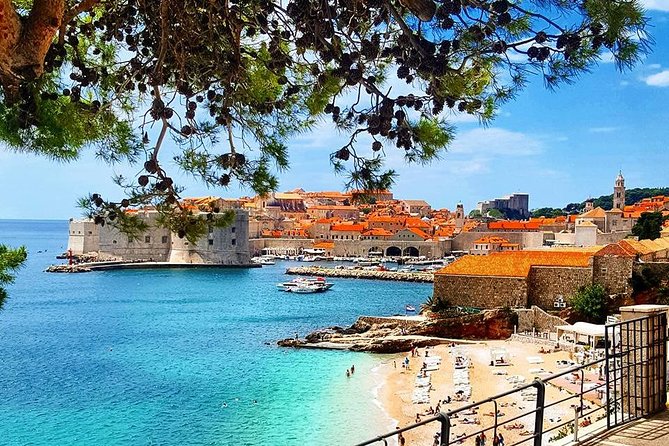
Dubrovnik can hit you fast. Big walls, tight streets, lots to see, and often not enough time. This tour keeps things focused, with about 1 hour 30 minutes of guided walking that helps you read the Old Town like a map made of meaning.
I like that you get both the famous names and the “why it matters” parts. You’ll move through the area around the Pile Gate, then spend time on key civic and religious sites. It’s the kind of tour that helps your photos make more sense later, because you understand what you’re actually looking at.
The other practical win: it’s a small group (up to 30 people) and it’s led by a licensed English-speaking guide. That usually means fewer awkward stops and less standing around while someone explains where to go.
Getting Started at Pile Gate and Finding Your Way
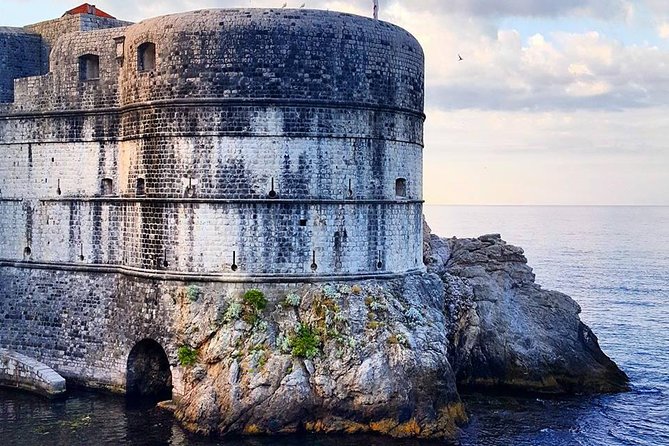
You meet near the Pile Gate area and start from there, walking into the Old Town’s core. That matters because Pile Gate is the natural entry point for most first-time visitors. It’s also where you can quickly get your bearings before the streets compress and the views start stealing your attention.
From the start, the tour is designed to help you link one landmark to the next. Instead of treating Dubrovnik like a checklist, the guide points out how the city’s public spaces worked—where people gathered, where authority was displayed, and where faith shaped daily life.
Also, plan on real walking. Dubrovnik’s Old Town streets are not built for slow strollers. This is a good option if you want history without committing to a whole day, but still want enough time to stand still, look up, and take photos.
Sponza Palace and Rector’s Palace: Power in Stone
If you like government buildings, you’ll love this part. Sponza Palace and the Rector’s Palace aren’t just pretty. They’re the “how the city worked” lesson, shown through architecture.
Sponza Palace is tied to the civic life of Dubrovnik—think trade, public administration, and the city’s constant need to coordinate. When your guide connects it to the Republic of Dubrovnik, the building stops being a backdrop and becomes a clue.
Then you step into the orbit of the Rector’s Palace, where Dubrovnik’s leadership and public decisions were reflected. I like that the tour doesn’t rush past these sites. You get time to absorb the details, and the explanations help you understand the difference between a church façade and a political statement.
This is one of the most praised parts of the experience because it makes the Old Town feel logical, not random. Even if you’re just passing through, these stops help you see how the city presented itself.
The Fountain and the Aqueduct That Kept Dubrovnik Going
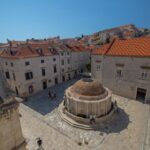
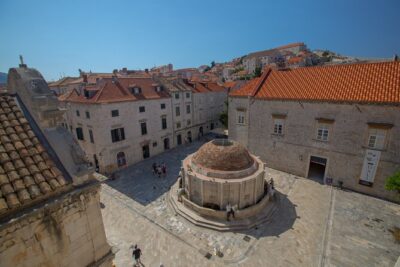
One of the best “wait, that’s cool” stops is Onofrio’s Fountain. You’ll be able to refresh with water, which sounds simple until you remember what this meant centuries ago.
Here’s the key detail: the fountain was built in the 15th century at the end of a 12 km aqueduct that supplied the city. That single fact turns it from a photo spot into an engineering story—how Dubrovnik made sure people had water, even as the city grew dense and busy.
When I’m walking in hot weather, I love tours that include an actual moment to slow down and hydrate. This one builds that in naturally, right in the middle of the Old Town loop.
If you want a practical tip: bring water and take the pause when you get the chance. The tour gives you a built-in break, but Dubrovnik heat can still catch you off guard.
A few more Dubrovnik trips to round out the shortlist
- Dubrovnik Old Town History Walking Tour
★ 5.0 · 1,684 reviews - Dubrovnik: Old Town History Walking Tour
★ 4.9 · 474 reviews - Early Bird Dubrovnik History Tour – 7:30 Start
★ 5.0 · 198 reviews - Dubrovnik: Red History Museum Regular Ticket
★ 4.6 · 134 reviews - Dubrovnik Jewish Heritage Private Walking Tour
★ 5.0 · 121 reviews
Orlando’s Column: The Symbol of Freedom You Can’t Miss
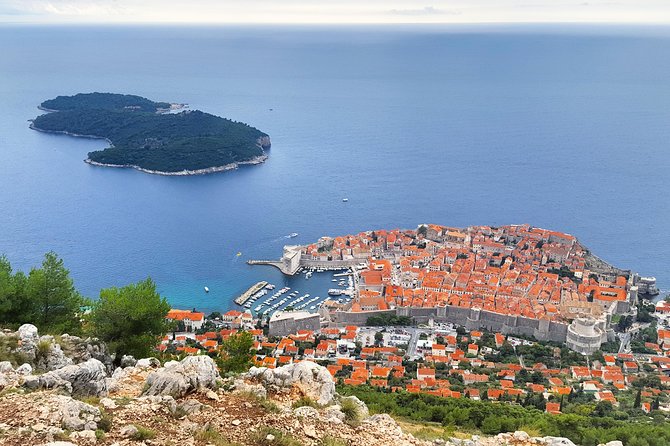
Orlando’s Column is exactly the kind of landmark that would be easy to overlook if you didn’t know what it represented. During this tour, you’ll admire it as a monument to the city’s freedom.
That symbolism is the trick. The column is standing in a public space, so it’s not hidden away in a museum. It’s meant to be seen. And once the guide connects it to the Republic’s identity, you’ll start noticing how Dubrovnik uses public monuments to communicate values.
It’s also a good stop for a quick visual reset. After palaces and civic buildings, the column gives you a different perspective on power—less about buildings, more about ideals.
Franciscan Monastery and the Old Town’s Religious Pulse
Next comes the area around the Franciscan Monastery. This is where Dubrovnik’s daily life gets a more human texture. Religion in Old Town cities isn’t just about what’s inside a church. It’s also about the rhythm of the neighborhood and how people historically organized their lives.
The guide’s explanations help you see how these sacred sites fit into the broader civic layout. That’s a big deal in Dubrovnik because everything is close together. One street can feel like both a public corridor and a quiet spiritual pocket.
I also like how this stop keeps the walking tour from becoming all administration and no emotion. You get a shift in tone. It makes the Cathedral stop later feel even more meaningful.
Cathedral of the Assumption: Baroque After Disaster
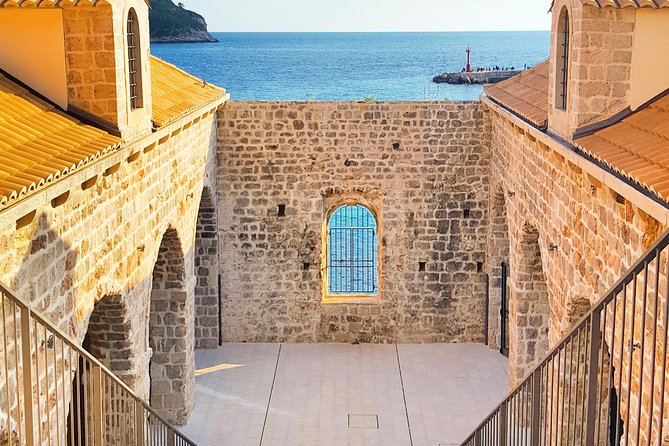
The Cathedral of the Assumption is the kind of place where you learn what resilience looks like in architecture. Your guide will point out that it’s a baroque church built after the devastating earthquake of 1667.
That context changes how you look at the façade and inside spaces. Instead of seeing it as simply ornate, you understand it as a rebuilding story. Dubrovnik was struck hard, then reconstructed with a new architectural voice. The result is a church that carries both faith and recovery in one package.
This stop is worth taking slowly, even if you’re tempted to keep moving for the next photo. When you have the “why” in your head, the cathedral becomes more than a landmark. It becomes evidence of survival.
City Walls Tickets: What’s Included and What Costs Extra
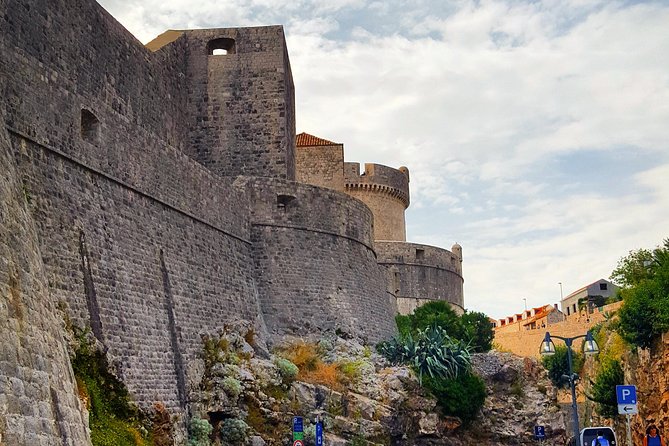
Here’s the practical part. The tour covers the heart of the Old Town sights, but tickets for the City Walls are not included. If you want to walk those walls, you’ll need to plan for an additional €35 per person.
That doesn’t make this tour less valuable. It just means you should decide what you want most:
- If your priority is understanding the city’s monuments and streets, this tour hits that hard.
- If your top priority is the views from the walls, you’ll likely want to pair this with a walls ticket or choose a walls-focused tour.
Also keep in mind that doing both means extra walking time. Dubrovnik is compact, but the steps add up fast. I’d rather you go for one strong plan than squeeze everything in and feel rushed.
Guide Style Matters, and This One Gets It

The experience is led by licensed guides, and the reviews highlight a pattern: guides like Ines (and at times Ynez) balance solid explanations with clear pacing. In plain terms, you don’t feel dragged through facts. You get stories you can actually remember on the walk back to dinner.
I also appreciate that the tour is described as thoughtful and well-paced. In Old Town tours, pace is everything. Too fast and you miss details. Too slow and you melt in the heat. This one aims for the middle.
One more real-world note: the tour uses a mobile ticket, which is convenient in Dubrovnik where ticket counters and lines can slow you down.
And yes, there’s a lot of walking. Most people can participate, but if you’re nursing sore knees, take the pace seriously and consider bringing supportive shoes.
Price and Value: Is It Worth $33.61?
At $33.61 per person for roughly 1.5 hours, this tour can be a strong value if it’s your first time in Dubrovnik’s Old Town. You’re paying for a guide to stitch the city together—palaces, monuments, fountains, and the big post-1667 rebuild—so you don’t wander the streets guessing.
Where value depends is what you want to add next. Since City Walls cost €35 extra and are not included here, your total spend can jump if you want that top-of-wall experience. Still, this tour is often a great way to make the walls make sense afterward. When you understand the civic story inside the walls, you’ll read the city from above differently.
If you’re trying to travel smart, I’d think of it like this:
- Pay for the guide now to understand the city.
- Decide later if you want to buy the walls ticket for the views.
It’s a cleaner plan than buying everything at once.
Who Should Book This Tour (and Who Should Skip It)?
This tour is a good fit if you:
- want a clear Old Town orientation without committing to a long day
- like guided context at monuments like Sponza Palace, Rector’s Palace, and the Cathedral
- want a built-in pause at Onofrio’s Fountain to cool down and drink water
- prefer a small group setting with a licensed guide in English
I’d consider skipping or swapping it if you:
- already know Dubrovnik’s civic history and want mostly views and photo time
- plan to do only the City Walls and nothing else, since the walls ticket isn’t included
- are very sensitive to heat; the walk is concentrated in the Old Town
Should You Book the Dubrovnik Walking History Tour?
If you want your first Dubrovnik day to feel coherent, book it. This is one of the better ways to connect the dots between Rector’s and Sponza Palace, Orlando’s Column, and the Cathedral’s 1667 rebuilding story, with a real stop for water at Onofrio’s Fountain.
Just go in knowing the trade-off: you’re getting history and guidance, not the City Walls ticket. If you want the walls too, budget for that extra €35 per person and plan your day around it.
FAQ
How long is the Dubrovnik walking history tour?
It’s about 1 hour 30 minutes.
What language is the tour offered in?
The tour is offered in English.
Where does the tour meet and where does it end?
You meet at Art Go’den Brsalje ul. 1, 20000, Dubrovnik, Croatia. The tour ends back at the meeting point.
Are City Walls tickets included?
No. City Walls and other facility tickets are not included. City Walls tickets cost 35 € per person.
How large is the group?
The tour has a maximum of 30 travelers.
Is there free cancellation?
Yes. You can cancel for a full refund up to 24 hours in advance of the experience start time.
More Walking Tours in Dubrovnik


More Tours in Dubrovnik

More Tour Reviews in Dubrovnik

Fresh on the Dubrovnik shortlist



Historical Tours, compared.
 ★ 5.0Dubrovnik Old Town History Walking TourFrom $241,684 reviews
 ★ 5.0Game of Thrones & History of Dubrovnik TourFrom $30628 reviews
★ 4.9Old Town History Walking TourFrom $20474 reviews
★ 5.0Game of Thrones & History of Dubrovnik TourFrom $30628 reviews
★ 4.9Old Town History Walking TourFrom $20474 reviews
 ★ 5.0Early Bird Dubrovnik History Tour – 7:30 StartFrom $24198 reviews
 ★ 4.6Red History Museum Regular TicketFrom $11134 reviews
 ★ 5.0Dubrovnik Jewish Heritage Private Walking TourFrom $229121 reviews
 ★ 4.7History and Game of Thrones Walking TourFrom $2985 reviews
 ★ 5.0Game of Thrones and History Small Group TourFrom $2976 reviews
Browse the lists this tour appears in