
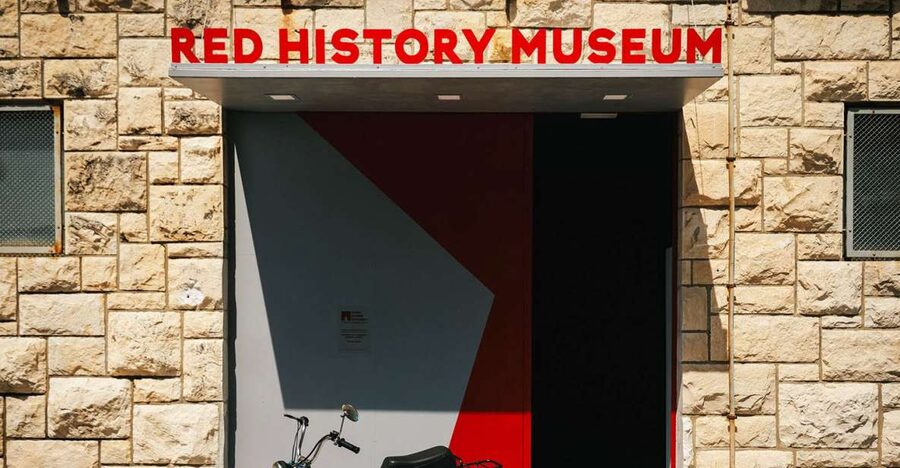
Reviewed · HISTORICAL TOURS
Dubrovnik: Red History Museum Regular Ticket
Communism might sound like a classroom topic, but here it’s built into the walls of a real factory in Dubrovnik. I love the way the museum mixes politics, design, and everyday life so you understand what it felt like, not just what happened. I also like the playful photo moments—yes, there’s the famous Yugo 45 spot that turns history into something you remember.
One thing to consider: this is a small museum with a strong themed focus, so if you’re only looking for medieval Dubrovnik vibes, you may find it a bit heavy before it gets fun.
In This Review
- Key things I’d highlight before you go
- Dubrovnik’s Red History Museum: The 1953 T.U.P. setting matters
- How the experience turns Yugoslav history into hands-on scenes
- A reconstructed Yugoslav home: feeling the era in the details
- The Yugo 45 photo stop: history you can grin at
- Communist Coca-Cola and Fanta: the fun stuff that explains the system
- Goli Otok behind the curtains: one of the most striking sections
- Viktor and the staff: when explanations turn into understanding
- Price and value: $11 is surprisingly fair for this kind of experience
- Who this museum is best for (and who might want to skip it)
- Should you book the Dubrovnik Red History Museum?
- FAQ
- What does the Dubrovnik Red History Museum ticket include?
- Where is the Red History Museum located?
- What kind of history does the museum focus on?
- Is the museum interactive?
- Is there a photo opportunity in the museum?
- Can I reserve and pay later, and what about cancellations?
Key things I’d highlight before you go
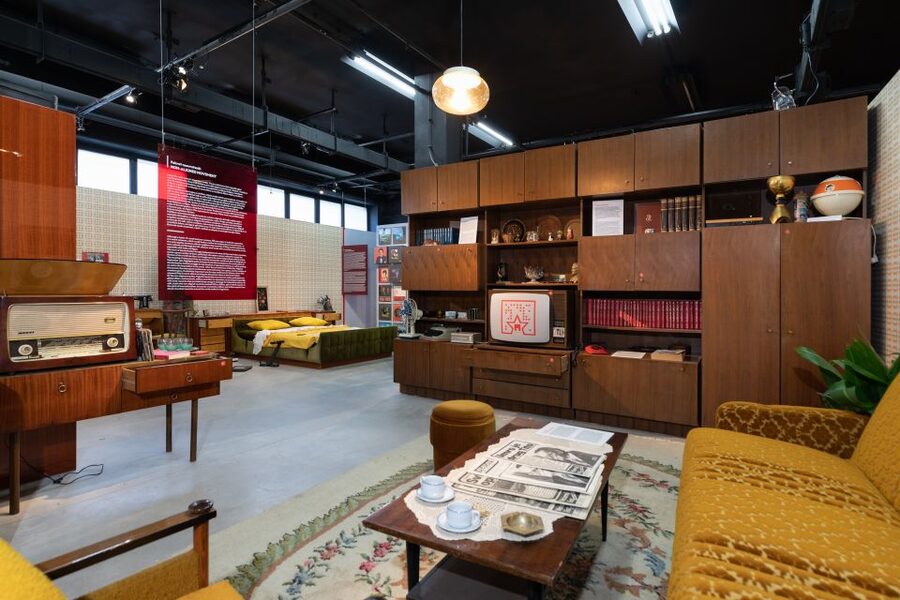
- Interactive rooms that recreate ordinary life under Yugoslav rule, not just speeches on a panel
- Yugo 45 photo moment—a chance to pose with the famously bad car
- Parallel-universe products like communist versions of Coca Cola and Fanta
- Goli Otok information presented in a memorable way, including the story behind curtains
- Real design and old objects, from furniture to everyday details that make the period feel close
A few more Dubrovnik trips to round out the shortlist
- Dubrovnik City Walls Admission Ticket★ 3.5 · 238 reviews
- Explore Dubrovnik by Cable Car (ticket included)★ 4.5 · 109 reviews
- Dubrovnik Shore Excursion: Explore Dubrovnik by Cable Car (ticket included)★ 4.5 · 109 reviews
- Skip the Line: Love Stories Museum Admission Ticket★ 5.0 · 87 reviews
Dubrovnik’s Red History Museum: The 1953 T.U.P. setting matters

The Red History Museum is in the port area, inside the last factory complex called T.U.P., built in 1953. That location isn’t just a convenient building—it helps the whole experience click. Instead of learning communist history in a neutral “white cube” museum, you’re in an industrial space that naturally fits the story of work, production, and the state’s daily presence.
The museum’s core idea is simple: understand present-day Croatia by making sense of its recent past. Croatia’s story didn’t start with the modern EU-era headlines. It also includes Yugoslavia’s decades of communist rule and the systems that shaped daily routines, politics, and identity. You’ll feel that the moment you move from exhibit to exhibit, where the design of the rooms keeps shifting between serious and deliberately playful.
If you like museums where you do more than read—where you react, touch, watch, and look again—this one has that energy.
How the experience turns Yugoslav history into hands-on scenes
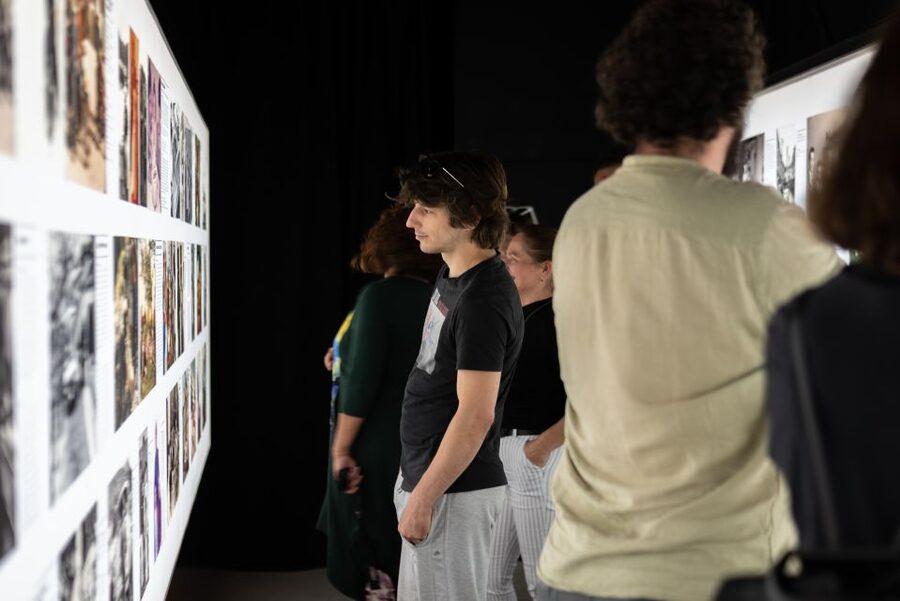
This museum is interactive, and that word matters here. It isn’t “touch one button” interactivity. You move through themed spaces that connect art and design with the political machinery behind it—so history becomes something you can track with your eyes.
You’ll encounter sections built around things like:
- Art and design (how the look and feel of the era communicated power and identity)
- Politics and secret agencies (how control worked beyond posters and slogans)
- The Non-Aligned angle (so you can see Yugoslavia’s position in the larger Cold War picture)
The best part is the pacing. You get serious content without it turning into a lecture. And you get humor without it turning into a joke. That mix helps you grasp how people could live with contradictions—practical routines alongside state pressure, personal needs alongside public narratives.
You can also expect a lot of real-life storytelling tied to the period. A staff member named Viktor is singled out for being informative, and I can see why: when a museum connects objects to real people, it stops feeling abstract.
A reconstructed Yugoslav home: feeling the era in the details
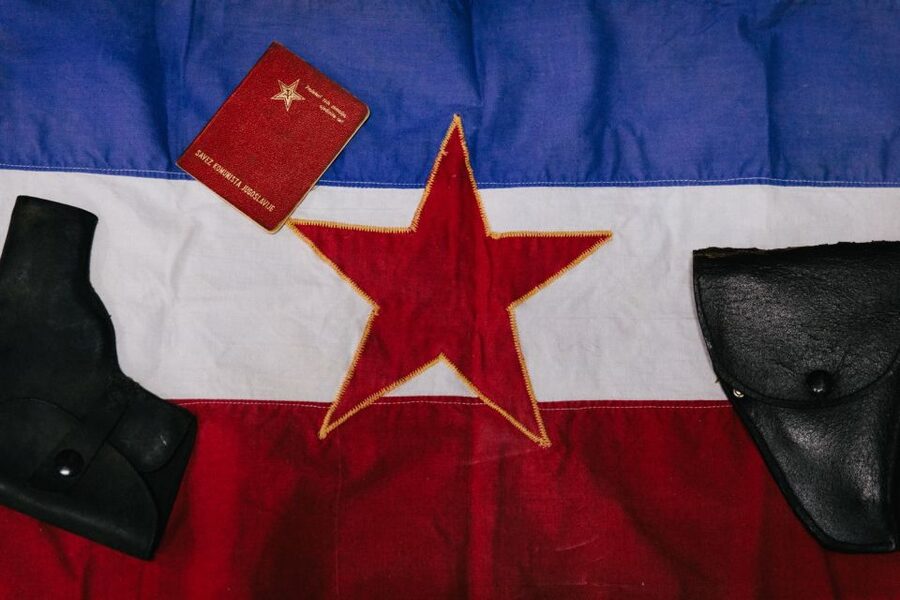
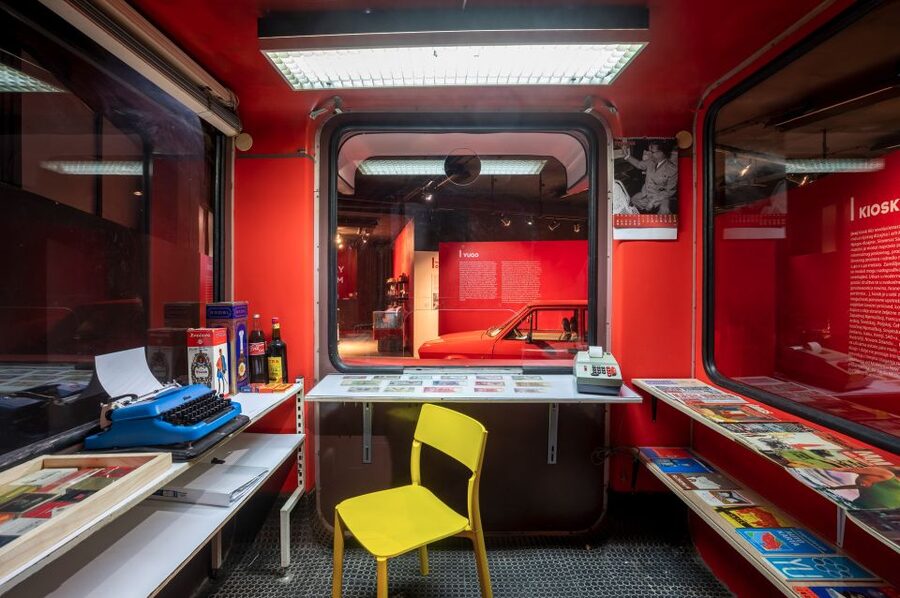
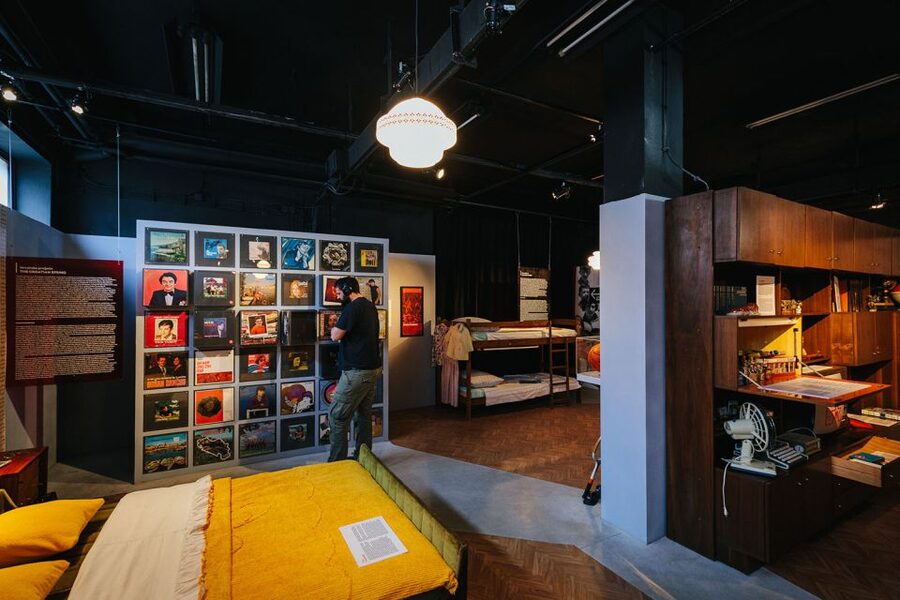
One of the most effective sections is a reconstructed house. You don’t just get a photo wall; you walk through a space that recreates everyday surroundings. This is where the museum shines for me, because old furniture and period details make the past physical.
The tone here is important. It doesn’t pretend everything was purely good or purely bad. You get a sense of both sides of socialist times as you move through the reconstruction. The rooms feel lived-in, and the objects give you a quiet way to compare your own routines with theirs—without the museum needing to shout.
If you’re the kind of visitor who likes to slow down and study how people lived, you’ll likely spend extra time here.
The Yugo 45 photo stop: history you can grin at
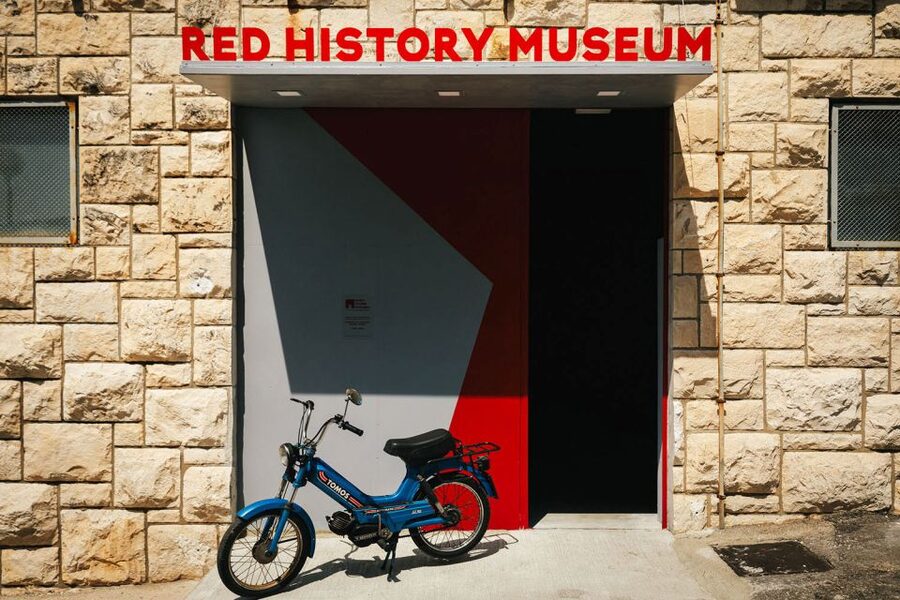
Yes, you can take a photo with the Yugo 45. It’s presented as the worst car ever, which sounds like a punchline, but it’s actually a smart museum move. Cars are status, mobility, and daily reality. When you see what people drove—or struggled to drive—you understand a lot about an economy and its limits.
The museum uses the Yugo as a kind of shortcut for context. It’s funny on first glance, but it also becomes a way to talk about production priorities, availability, and how everyday life looked in Yugoslavia.
If you like quirky museum moments that still teach something real, this is a clear win. Even if you’re not into cars, you’ll probably want the photo.
A few more Dubrovnik trips to round out the shortlist
- Dubrovnik Old Town History Walking Tour
★ 5.0 · 1,684 reviews - Dubrovnik: Old Town History Walking Tour
★ 4.9 · 474 reviews - Early Bird Dubrovnik History Tour – 7:30 Start
★ 5.0 · 198 reviews - Dubrovnik: Red History Museum Regular Ticket
★ 4.6 · 134 reviews - Dubrovnik Jewish Heritage Private Walking Tour
★ 5.0 · 121 reviews
Communist Coca-Cola and Fanta: the fun stuff that explains the system
Near the end, the museum leans into pop culture and consumer life through the idea of a parallel universe. You can try communist versions of Coca Cola or Fanta and period candies.
This part works because branding is never neutral. When you see a familiar product with a different identity, you’re looking at how everyday desires get reshaped by a political economy. It’s not just tasting soda—it’s observing how the state culture and market culture collided.
I like this because it gives you a sensory memory, not only a visual one. After you’ve walked through politics and secret agencies, it’s refreshing to land on something basic: what people actually ate and drank.
Goli Otok behind the curtains: one of the most striking sections
One section that sticks with people is the information related to Goli Otok—presented with an atmospheric approach, including the sense of information behind curtains. That staging helps the story feel heavier, and it makes you pause. This isn’t “background history” content; it’s a subject that carries real weight.
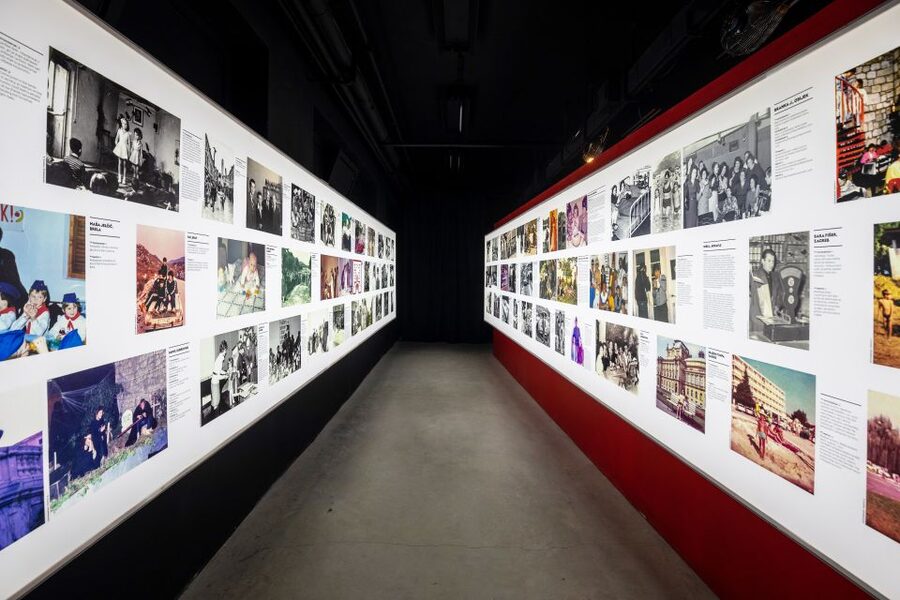
The museum connects this topic to the broader idea of watchful control, where the state’s reach extended beyond official meetings and into people’s lives. There are also photos and follow-up materials that appear after, helping you keep the narrative moving rather than leaving you with a single shock image.
If you’re sensitive to difficult history, plan your timing so you’re not rushing this part. You’ll get more out of it if you let your brain catch up.
Viktor and the staff: when explanations turn into understanding
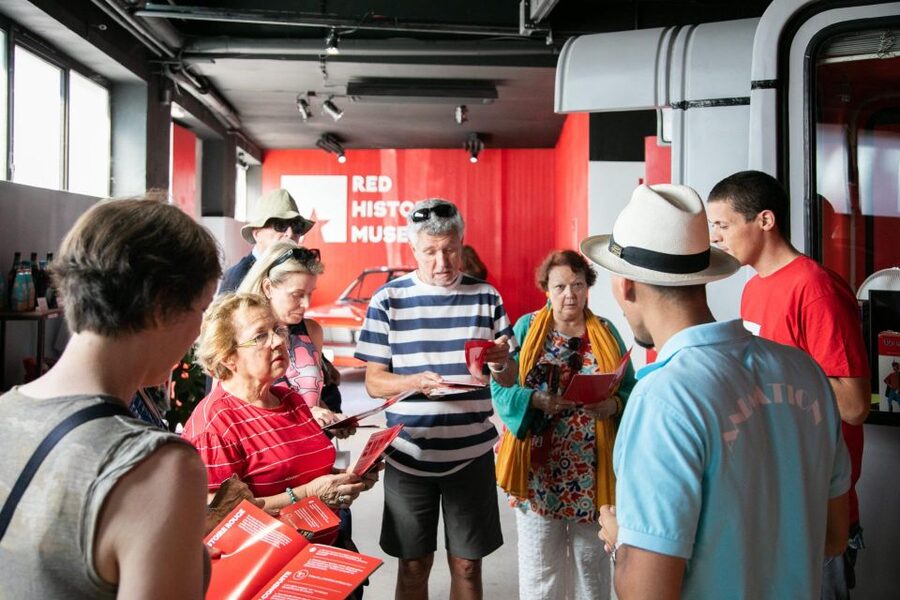
A museum can have great objects and still fail at meaning. Here, staff knowledge matters. One mention stands out: Viktor is described as very informative. That suggests you’re in good hands if you have questions or want help connecting what you see to what it meant.
Even without a long guided talk, knowledgeable staff can point you toward what to focus on—like which areas show the contrast between official narrative and real experience, or where the museum hints at the Non-Aligned angle in a way that’s easier to grasp.
Price and value: $11 is surprisingly fair for this kind of experience
At about $11 per person for a regular entry ticket, the value is strong—especially because the museum isn’t just display cases. You’re paying for an interactive walk-through that blends:
- reconstructed spaces
- design-forward storytelling
- a mix of serious topics and pop culture
- photo opportunities and hands-on moments
You’re also getting a museum that acts like a cultural translator. For Croatia today, the communist era shapes language, politics, and memories in ways that can be hard to see without context. This ticket feels like a shortcut to understanding how people in the region remember the past.
If you’re doing a tight Dubrovnik itinerary, this is also a practical choice. You can fit it without needing a full-day commitment, and it gives you a very different perspective from the old town walls.
Who this museum is best for (and who might want to skip it)
You’ll probably love Red History if you enjoy:
- recent history and how it connects to the present
- interactive exhibits that don’t feel like gimmicks
- design and material culture (furniture, objects, visual style)
- museums where humor and seriousness coexist
You might choose differently if you mostly want scenic views, beach time, or medieval architecture. This is an experience built around Yugoslav-era communist history, so it’s not trying to be light.
Should you book the Dubrovnik Red History Museum?
If your goal is to understand Croatia beyond postcards, I’d book it. For the price of about $11, you get an interactive, thoughtfully staged experience set inside a 1953 factory complex—plus memorable moments like the Yugo 45 photo and the communist Coca Cola/Fanta tastings.
I’d pass only if you’re not interested in Yugoslav communist history, or if you already know you want your Dubrovnik time to be strictly old-town scenery. Otherwise, this museum gives you context you’ll carry with you when you walk around the rest of the city.
FAQ
What does the Dubrovnik Red History Museum ticket include?
The ticket includes regular entry to the Red History Museum.
Where is the Red History Museum located?
It’s located in the last factory complex in Dubrovnik called T.U.P., built in 1953, in the port area.
What kind of history does the museum focus on?
The museum explores Croatia’s communist history and focuses on life under the Yugoslav regime, including art, design, politics, secret agencies, and the Non-Aligned.
Is the museum interactive?
Yes. It’s designed as an interactive experience with hands-on elements and reconstructed spaces that help you understand daily life under communism.
Is there a photo opportunity in the museum?
Yes. There is a famous photo spot featuring the Yugo 45.
Can I reserve and pay later, and what about cancellations?
You can reserve & pay later. You can cancel up to 24 hours in advance for a full refund.
More Historical Tours in Dubrovnik



More Tickets in Dubrovnik





More Tour Reviews in Dubrovnik





Fresh on the Dubrovnik shortlist





Historical Tours, compared.
 ★ 5.0Dubrovnik Old Town History Walking TourFrom $241,684 reviews
 ★ 5.0Game of Thrones & History of Dubrovnik TourFrom $30628 reviews
★ 4.9Old Town History Walking TourFrom $20474 reviews
★ 5.0Game of Thrones & History of Dubrovnik TourFrom $30628 reviews
★ 4.9Old Town History Walking TourFrom $20474 reviews
 ★ 5.0Early Bird Dubrovnik History Tour – 7:30 StartFrom $24198 reviews
 ★ 5.0Dubrovnik Jewish Heritage Private Walking TourFrom $229121 reviews
 ★ 4.7History and Game of Thrones Walking TourFrom $2985 reviews
 ★ 5.0Game of Thrones and History Small Group TourFrom $2976 reviews
 ★ 4.7Game of Thrones & History TourFrom $2972 reviews
Browse the lists this tour appears in