
Reviewed · HISTORICAL TOURS
Dubrovnik Fun Facts and History: 1 or 2hr Tour with Antonio
Dubrovnik’s republic story is surprisingly human. This walking tour with Antonio turns centuries of politics into street-level storytelling, with a big focus on how the Republic of Dubrovnik stayed independent through diplomacy, trade, and smart maritime power. I especially like the way the tour connects headline events to real people, and the way the 1667 earthquake becomes more than a date.
One consideration: this is a walking tour, so it’s not a fit if you need wheelchair access or have mobility limits. If you’re sensitive to uneven old-stone streets, plan on taking it slow.
In This Review
- Key highlights you’ll remember
- Where the tour starts: Revelin Fortress and the view you’ll use all day
- The real theme: how a tiny republic outlasted empires
- Republic ahead of its time: governance, math, astronomy, and maritime practice
- The 1667 earthquake: how rebuilding changed Dubrovnik’s story
- Fun facts that connect past Dubrovnik to the present you can see
- The coffee break: a stop that keeps you moving and well-fed
- How long is enough: choosing between 1 and 2 hours
- Who this tour is best for (and who should skip it)
- Price and value: what $28 gets you in Dubrovnik
- Booking tip: ask yourself what kind of Dubrovnik learner you are
- Should you book Antonio’s Dubrovnik Republic tour?
- FAQ
- How long is the Dubrovnik Fun Facts and History tour?
- Where does the tour start, and where does it end?
- What does the tour cover about the Republic of Dubrovnik?
- Is there a coffee break included?
- What language is the tour guide?
- Is Antonio a licensed guide?
- Is the tour suitable for wheelchair users or limited mobility?
- What should I bring for the tour?
- Are audio recordings allowed during the tour?
Key highlights you’ll remember
- Start near Revelin Fortress with a classic first look toward the Old Harbour
- 450 years of independence explained with practical, geopolitical storylines
- Before-and-after 1667 earthquake changes and what they meant for power
- Ahead-of-their-time “firsts” in governance, maritime practice, math, astronomy, diplomacy
- Coffee break inside the walls at a small couple-run shop
- You can talk about the present, not just the past
A few more Dubrovnik trips to round out the shortlist
- Dubrovnik Old Town History Walking Tour★ 5.0 · 1,684 reviews
- Game of Thrones & History of Dubrovnik Tour★ 5.0 · 628 reviews
- Dubrovnik: Old Town History Walking Tour★ 4.9 · 474 reviews
- Dubrovnik: Red History Museum Regular Ticket★ 4.6 · 134 reviews
Where the tour starts: Revelin Fortress and the view you’ll use all day
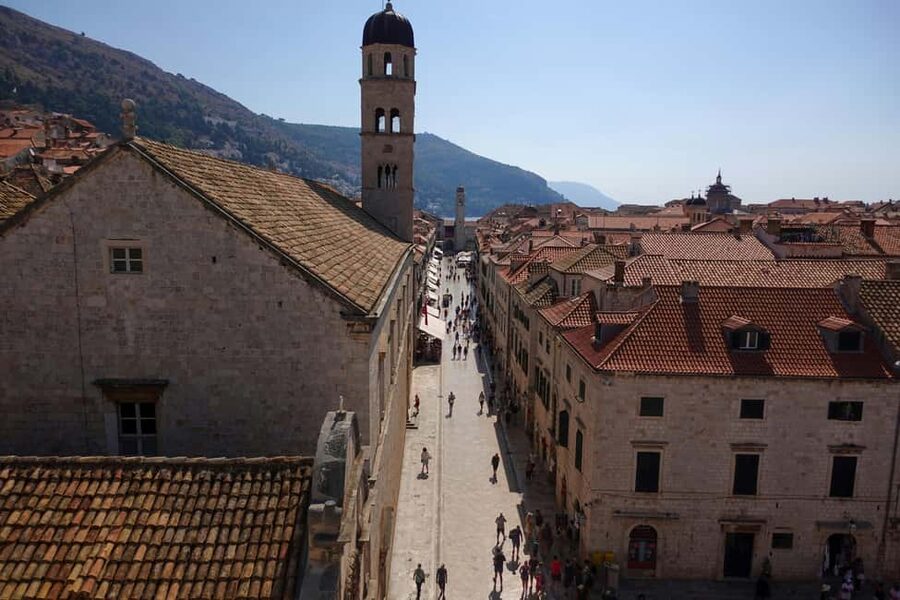
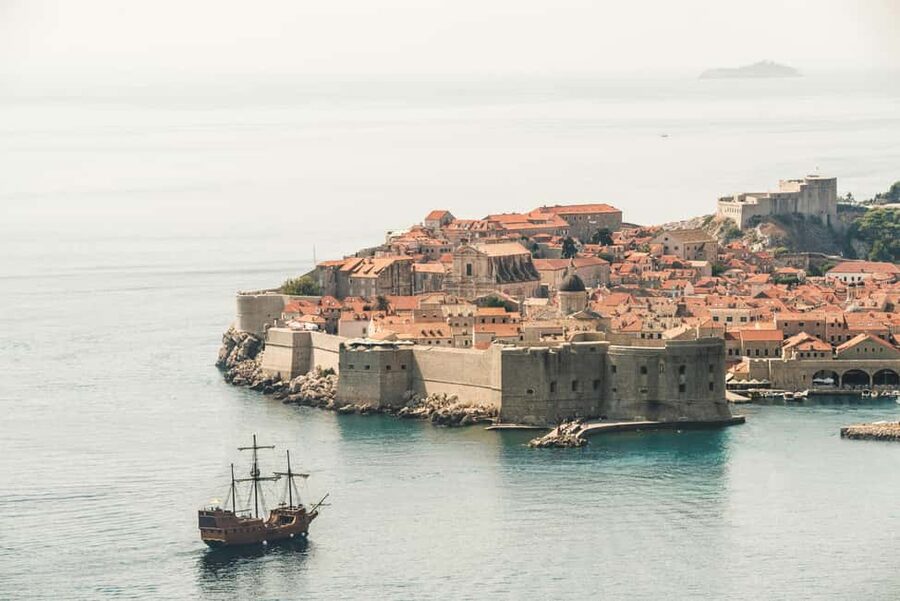
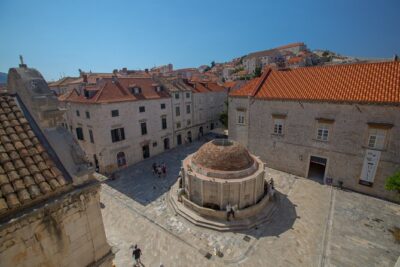
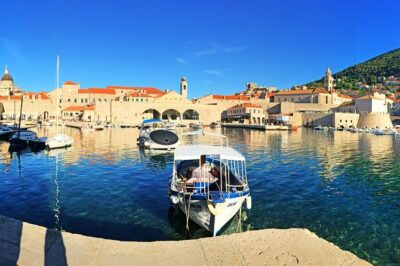
Good tours help you orient fast. This one begins in the shade of a small square right next to Revelin Fortress, with an easy view toward the Old Harbour. That matters more than you might think. Dubrovnik’s streets are charming, but they can also feel like a maze once you’re inside the walls. Starting with a landmark and a harbor view gives you a mental picture you’ll keep using as Antonio points out how the Republic functioned from a coastal, trade-based position.
You also get a straightforward format: it’s a walking loop that ends back at the meeting point. That simplicity is a plus when you’re trying to stack tours, meals, and beach time without stress. And because Antonio is a local resident, you can expect the streets to be explained with the kind of context you won’t get from a quick plaque reading.
The practical side is also clear: wear comfortable shoes and keep water handy. Old Town streets can be tiring even when the tour is only an hour or two.
The real theme: how a tiny republic outlasted empires
The Republic of Dubrovnik lasted for just under half a millennium, which sounds almost unreal until someone breaks down how. The core of Antonio’s tour is explaining the Republic’s survival strategy in plain terms: diplomacy and trade were not just ideas, they were tools. You’ll hear how the Republic managed to keep its independence even while bigger colonial powers orbited the region.
What I like about this approach is that it doesn’t treat Dubrovnik as a passive victim of history. Instead, you get a sense of agency. Dubrovnik wasn’t only defending stone walls; it was defending a political system and a web of relationships that helped it avoid constant war. Antonio’s storytelling style keeps the focus on cause and effect, not just dates and names.
You’ll also hear about the “geopolitical history of Dubrovnik and the Balkans,” which is a smart way to understand the city’s role. Dubrovnik wasn’t operating in a vacuum. It was positioned in a crossroads zone where maritime trade, diplomacy, and regional politics all mattered at the same time.
Republic ahead of its time: governance, math, astronomy, and maritime practice
Antonio doesn’t just say the Republic was important. He explains what it was known for and how it worked. One highlight is the tour’s emphasis on practical achievements tied to civic life: governance, maritime practices, mathematics, astronomy, and diplomacy.
Here’s why that’s valuable for you. When you walk Dubrovnik’s historic streets, it can be easy to assume the city was only about beauty and stone. This tour adds the missing layer: the Republic built systems. That changes how you see what you’re looking at. Even if you don’t remember every detail, you’ll remember the feeling that this place was run with competence and planning, not luck.
The tour also includes a bit of surprise factor. Antonio shares answers to what the Republic and its people were first at globally, and the tone is, frankly, refreshing. Instead of recycling the same tourist talking points, you’ll get perspectives that help Dubrovnik feel specific and original, not just famous.
If you enjoy history but don’t want it to be a lecture, this is the right balance. It’s structured like a history class, but told with stories and context. And because it’s guided in person, you can ask follow-up questions when something sparks your curiosity.
The 1667 earthquake: how rebuilding changed Dubrovnik’s story
No Dubrovnik explanation feels complete without the earthquake. Antonio brings in the devastating event of 1667, and the tour frames it as a turning point that changed the face of the city and affected how power was divided inside the Republic.
This part of the walk is where the tour becomes more than background. The earthquake is often mentioned in tours like a quick fact. Here, it’s treated as an event with consequences you can feel in the city’s evolution. You’ll revisit what happened and then follow the thread forward into rebuilding efforts—how the city changed physically and politically afterward.
For you, the payoff is simple: you’ll stop seeing the Old Town as frozen in time. You’ll see it as a rebuild with decisions baked in. That’s how you start noticing patterns in architecture and planning, even during a short walk.
Also, it gives you a useful lens for conversations. If you’re curious why certain parts of the city look the way they do, the earthquake section gives you the historical reason to ask better questions.
- Blue Cave Small-Group Boat Tour from Dubrovnik
★ 5.0 · 9,360 reviews - Full-Day Dubrovnik Elaphite Islands Cruise with Lunch and Drinks
★ 5.0 · 8,823 reviews - Dubrovnik: Epic Game of Thrones Tour + Lokrum & Saver Option
★ 4.9 · 5,995 reviews - Dubrovnik: Elaphiti Islands Full-Day Cruise with Lunch
★ 5.0 · 5,938 reviews - Dubrovnik: The Original Game of Thrones Tour & Lokrum Option
★ 4.8 · 5,064 reviews
Fun facts that connect past Dubrovnik to the present you can see
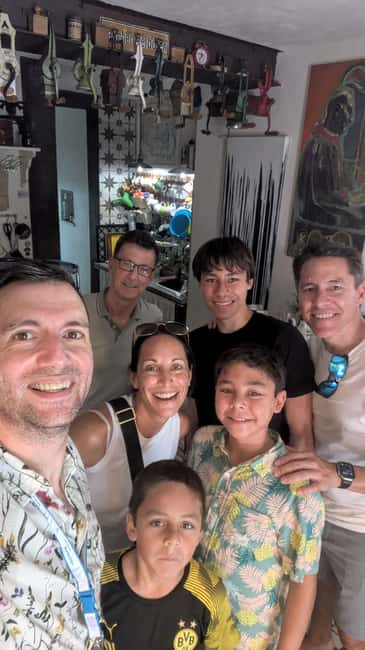
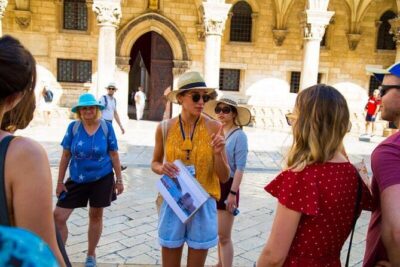
This tour doesn’t lock you into the past. You get fun facts and anecdotes about past and present Dubrovnik, and the tone ranges from funny to serious. Antonio also invites conversation throughout, so you can ask questions about daily life, culture, and what the city is dealing with now.
That interaction is one of the most practical benefits of booking a local guide. You’ll get answers shaped by lived experience, not just textbook descriptions. And because Antonio enjoys a good conversation, the tour can feel less like you’re being walked through a checklist and more like you’re learning from someone who genuinely cares.
One more thing: the tour includes “fun stories” that shaped Dubrovnik’s 450 years as an independent republic. That focus on stories is why I think this works better than audio-only tours or self-guided wandering. You come away with context you can carry into your next stop—whether you’re eating lunch, checking out another viewpoint, or walking the walls later.
The coffee break: a stop that keeps you moving and well-fed
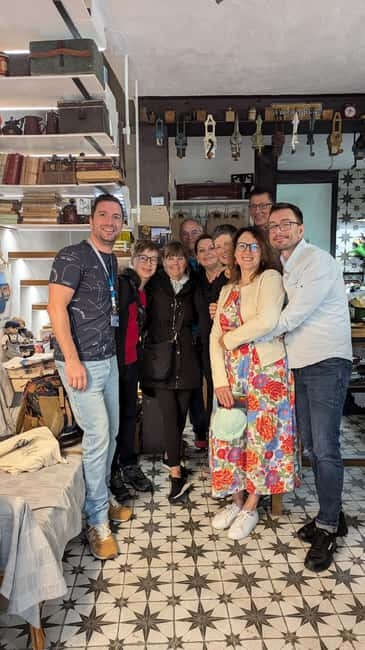
For a short tour, food timing matters. Around the one-hour mark, there’s a coffee break at a place Antonio describes as a truly tucked-in stop within the walls: a charming small shop owned by a local couple.
I like this format because it does two things:
1) It breaks the walk at a natural point.
2) It gives you a quick, local rhythm rather than treating coffee as an afterthought.
You can use the break to ask extra questions. If you’re the type who likes clarifying details—trade routes, political strategies, what changed after the earthquake—this is the moment to do it. Even if you don’t, you’ll likely appreciate the chance to rest your legs and cool down a bit without leaving the historical area.
How long is enough: choosing between 1 and 2 hours
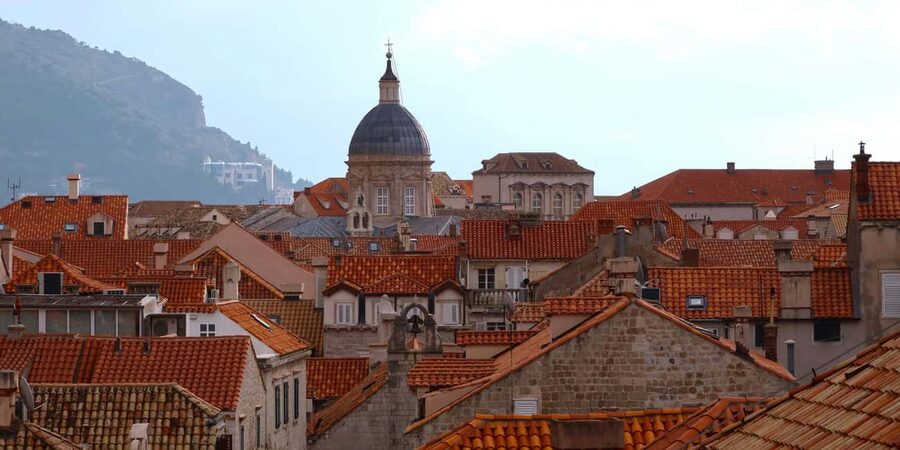
You can book the tour as a 1 or 2-hour experience. The difference is how many stops and stories you’ll fit in before the tour ends back where it begins. If you’re trying to protect your energy for other activities—beaches, wall walks, game plan dinners—choose the shorter version. If you want more depth, go for the full 2 hours, especially because the coffee break is included there too.
In both versions, the structure stays the same: independence and diplomacy are central, the earthquake is a key turning point, and fun anecdotes weave through the story. The longer option simply gives Antonio more time to connect the dots at a steadier pace.
Who this tour is best for (and who should skip it)
This is a strong match if you:
- Want historical context you can actually use while you walk Dubrovnik
- Enjoy a guide who explains how things worked, not just what happened
- Like small-group conversation where you can ask questions about today
- Appreciate a local perspective rooted in real research and storytelling
It’s not a match if you need wheelchair access or have significant mobility limitations. It also isn’t suitable for people over 80 years, and it’s not suited for babies under 1 year. If you’re bringing kids, plan around those limits and the walking demands.
One more small note: the tour doesn’t allow audio recording. If you like capturing every detail for later, plan to take notes instead.
Price and value: what $28 gets you in Dubrovnik
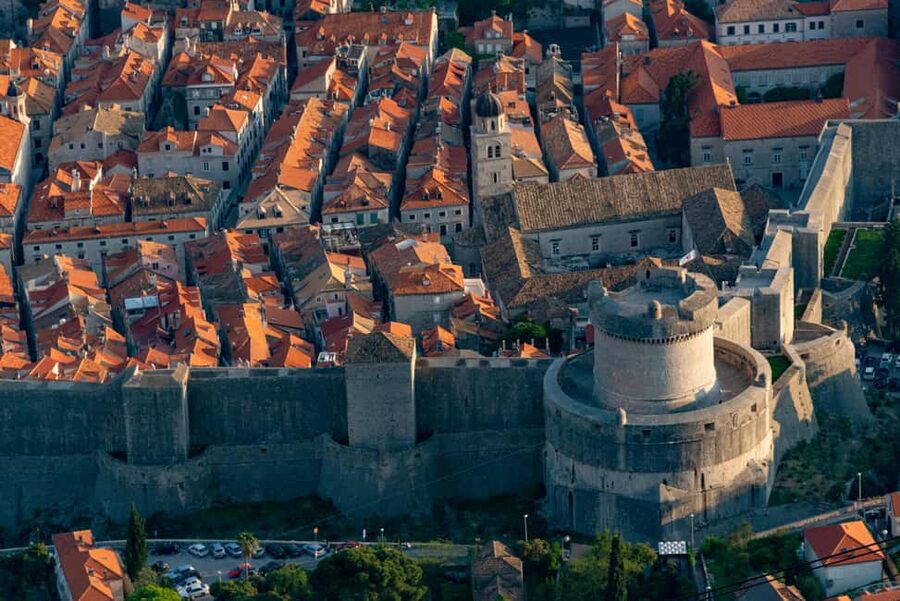
At $28 per person, this tour sits in the “short but meaningful” category. You’re paying for a licensed guide who is also a local resident, plus structured storytelling that covers independence, diplomacy, the 1667 earthquake, and the Republic’s achievements in governance, maritime practice, math, astronomy, and diplomacy.
Here’s the value logic I use: if your time in Dubrovnik is limited, a guided walk that ties together multiple big themes saves you from piecing together the story on your own. You’ll spend time reading signs, watching for context, or booking multiple separate experiences if you go solo. In contrast, Antonio’s format compresses a lot into a manageable duration, and the coffee stop makes it easier to stay comfortable.
The $28 also feels fair because it includes the coffee break on the longer option, and you get the benefit of interactive Q&A about both past and present Dubrovnik.
Booking tip: ask yourself what kind of Dubrovnik learner you are
Before you book, ask one question: do you want your Dubrovnik experience to feel like a guided explanation, or do you want to wander freely with a rough idea of the basics?
If you’re in the guided-explanation camp, this tour is a smart choice. Antonio’s focus on why Dubrovnik mattered—how a small republic stayed independent and war-free for centuries through diplomacy—gives you a storyline you can carry into the rest of your trip. You won’t just see sights; you’ll understand the logic behind them.
If you’re more of a self-guided type and already know the political history, the shorter option might still help you, but you may not get as much value from the structure.
Should you book Antonio’s Dubrovnik Republic tour?
Book it if you want the Republic of Dubrovnik explained with real human stories, not a list of monuments. The pairing of independence through diplomacy, the 1667 earthquake as a turning point, and the guided coffee stop inside the walls makes it an efficient way to learn a lot in a short time. Add in Antonio’s conversational style and his local pride, and it tends to feel more like meeting a city-minded friend than attending a dry lecture.
Skip it if you can’t do steady walking on old streets, or if you’re seeking a purely scenic tour with minimal talking. This experience is built around history, politics, and anecdotes, told in an engaging way.
If you decide to go, wear comfortable shoes, bring water, and come ready to ask questions. Dubrovnik rewards curiosity.
FAQ
How long is the Dubrovnik Fun Facts and History tour?
The tour is offered in either a 1-hour or 2-hour format.
Where does the tour start, and where does it end?
It starts at a small square in the shade next to Revelin Fortress, with a view toward the Old Harbour. It ends back at the same meeting point.
What does the tour cover about the Republic of Dubrovnik?
You’ll learn how Dubrovnik’s republic maintained independence through diplomacy and trade, what it was known for, and how it changed before and after the 1667 earthquake.
Is there a coffee break included?
Yes. There is a short coffee break around the one-hour mark, and the description indicates it is included during the longer option at a small shop run by a local couple.
What language is the tour guide?
The tour is available in Croatian and English.
Is Antonio a licensed guide?
Yes. The tour includes a Dubrovnik County licensed tour guide and local resident.
Is the tour suitable for wheelchair users or limited mobility?
No. It is not suitable for wheelchair users and not suitable for people with mobility impairments.
What should I bring for the tour?
Bring comfortable shoes and breathable, comfortable clothing, and consider a reusable water bottle.
Are audio recordings allowed during the tour?
No. Audio recording is not allowed.
More Historical Tours in Dubrovnik



More Tours in Dubrovnik


More Tour Reviews in Dubrovnik

Fresh on the Dubrovnik shortlist


Historical Tours, compared.
 ★ 5.0Dubrovnik Old Town History Walking TourFrom $241,684 reviews
 ★ 5.0Game of Thrones & History of Dubrovnik TourFrom $30628 reviews
★ 4.9Old Town History Walking TourFrom $20474 reviews
 ★ 5.0Early Bird Dubrovnik History Tour – 7:30 StartFrom $24198 reviews
 ★ 4.6Red History Museum Regular TicketFrom $11134 reviews
 ★ 5.0Dubrovnik Jewish Heritage Private Walking TourFrom $229121 reviews
 ★ 4.7History and Game of Thrones Walking TourFrom $2985 reviews
 ★ 5.0Game of Thrones and History Small Group TourFrom $2976 reviews
Browse the lists this tour appears in