
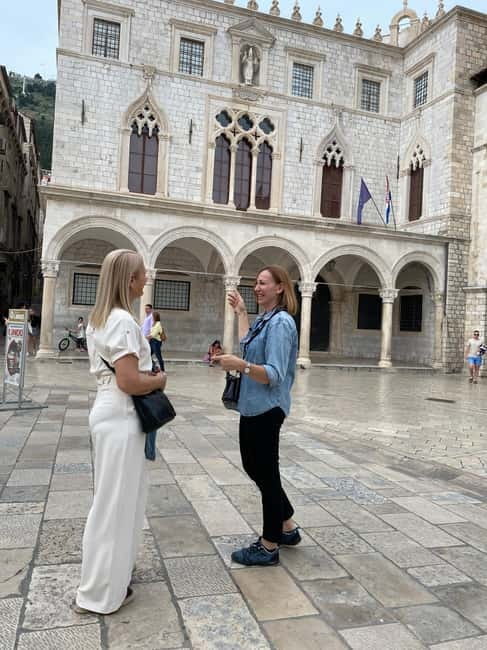
Reviewed · CITY WALLS & OLD TOWN
Discover the Old Town of Dubrovnik
Dubrovnik’s Old Town feels like a living map. This 90-minute walk connects the big sights with how people actually lived, traded, prayed, and defended the city. I love that you get real context from a born-and-raised local guide, and I also love the mix of exterior landmarks with inside church visits. One thing to consider: the tour runs in Spanish or Croatian, and if Spanish is your weak spot, asking follow-up questions may feel tricky.
You start at the Jewish fountain and move through the city’s main spine, then peel off into the older corners toward the old port. Along the way you’ll hear how the Republic of Dubrovnik worked, who challenged it, and how reconstructions were handled after damage. The route is packed, so if you want long photo stops everywhere, you may need to be selective.
This is not for kids under 16, and it’s best if you enjoy walking and learning as you go.
In This Review
- Key points you’ll care about
- Why Dubrovnik’s Old Town Starts at the Jewish Fountain
- Pile Gate and the City’s Defense Story
- Onofrio Fountain, Franciscan landmarks, and the Religion of Daily Life
- Stradun to Sponza: Trade, Power, and Republic-Era Rhythm
- Inside St. Blaise, the Cathedral, and St. Ignatius
- The Rector’s Palace Area, Old Neighborhoods, and the Port Exit
- Cost, group size, and what $17 buys you in Dubrovnik
- Choosing the right time of day for photos and vibes
- Is this tour right for you?
- Should you book Discover the Old Town of Dubrovnik?
- FAQ
- Where does the tour meet?
- How long is the tour?
- What does the tour cost?
- What languages are the tours in?
- How many people are in the group?
- Are any churches visited inside?
- Is entry to the Rector’s Palace included?
- Is there a cancellation option if plans change?
- Is this tour suitable for children?
Key points you’ll care about
- Born-in-Dubrovnik guide storytelling gives you a local, human feel, including context around 1991
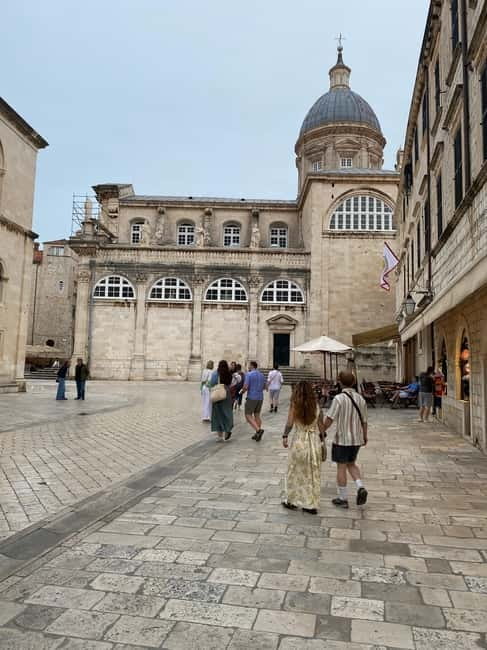
- Inside access to key churches (St. Blaise, the Cathedral, and St. Ignatius) adds real value
- Republic-era focus: trade, rivals, customs, and how the city was built
- Small group (max 8) keeps it easier to hear, ask, and move at a human pace
- 90 minutes hits the highlights without turning into a half-day endurance test
- Rector’s Palace museum tickets not included, so plan if you want to go in
More time up on the ramparts and inside the Old Town
- Dubrovnik: Old Town Walking Tour★ 4.8 · 5,174 reviews
- Dubrovnik Discovery Old Town Walking Tour★ 5.0 · 4,458 reviews
- Dubrovnik Old Town History Walking Tour★ 5.0 · 1,684 reviews
- Dubrovnik: City Walls Early Morning or Sunset Walking Tour★ 4.8 · 1,523 reviews
Why Dubrovnik’s Old Town Starts at the Jewish Fountain
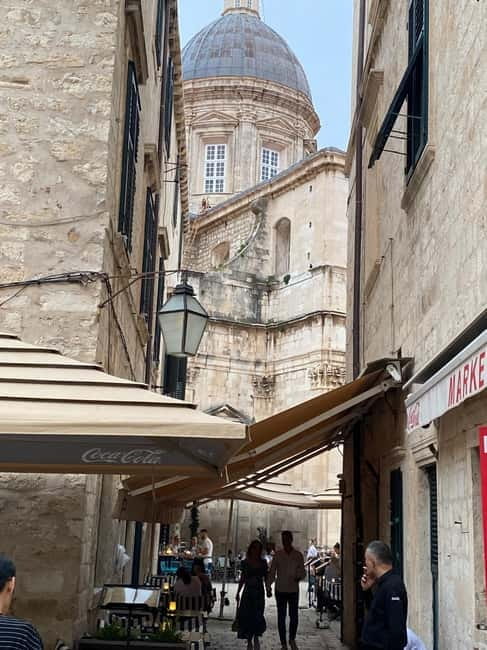
Most Dubrovnik tours start with walls. This one starts with the Jewish fountain area, which is a smart move because it reminds you right away: this city wasn’t only made by one community or one era. You begin by getting oriented—what the neighborhood was like, what businesses and daily life looked like, and why the defense mattered even down to street-level details.
From the first minutes, I like how the guide frames the city as a system. You’re not just collecting postcard stops; you’re learning how Dubrovnik’s built form supported work, security, and faith. The start point also makes practical sense: it’s a clear meeting location, and it’s easy to orient yourself as you arrive.
If you’re the type who likes to understand how cities function, you’ll probably enjoy this approach more than a tour that only lists monuments. And because your guide is from Dubrovnik, you’ll hear explanations that feel grounded in lived experience rather than textbook notes.
Pile Gate and the City’s Defense Story
The route quickly brings you to Pile Gate, and that sets the tone for the defense theme. You’ll learn how the fortresses and walls shaped everything: where people could move, what was protected, and why certain areas mattered strategically. Even if you’ve already seen Dubrovnik’s walls from a distance, hearing how they were built and why they evolved makes the stones feel more intentional.
A nice detail here is the shift from “history as facts” to “history as cause-and-effect.” When you understand the logic behind the gate and nearby structures, you start noticing patterns as you walk—thicker walls, tighter spaces, and the way the city funnels movement.
This also helps with photo timing. You’ll be more likely to frame shots in a way that shows structure, not just scenery. If you want to walk away saying, I finally get why Dubrovnik looks the way it does, this is where that clicks.
One caution: defense-and-reconstruction topics can be dense. If you’re tired from travel or the day has been long, take a small breather when the tour gets into specifics. The group is small, so you can usually pace yourself without falling behind.
Onofrio Fountain, Franciscan landmarks, and the Religion of Daily Life
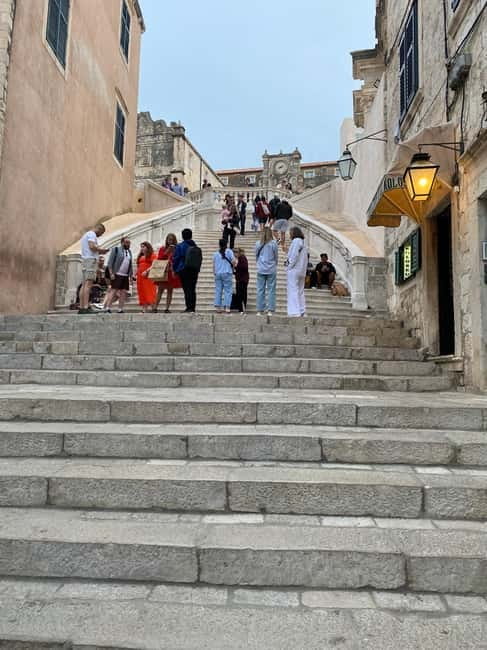
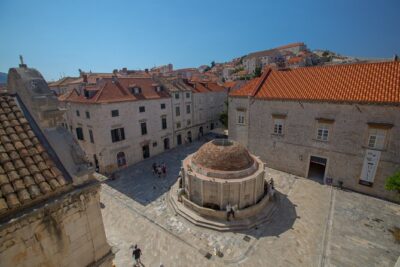
As you head forward, you’ll reach Large Onofrio Fountain, then the Franciscan Church and Monastery area. Dubrovnik’s fountains are more than decorative. They connect to how the city managed water and daily needs—exactly the kind of detail that makes an old town feel real instead of staged.
Then you’ll move into the Franciscan site zone, and this is where the tour earns some extra points for substance. You get to see major religious buildings, and you also learn how religion fit into civic life. The guide also covers the Convent of St. Clare and an orphanage along the way, so the “who lived here” story is not just about noble palaces.
The best part? You’re not stuck outside looking in. Later, the tour includes interiors of prominent churches, and even earlier stops help you understand what you’re about to see. It’s a build-up.
If you’re sensitive to crowds inside churches, note that you will enter at least three interiors during the 90 minutes. Go in with the mindset of short, focused visits—this is a walking tour, not a slow museum day.
Stradun to Sponza: Trade, Power, and Republic-Era Rhythm
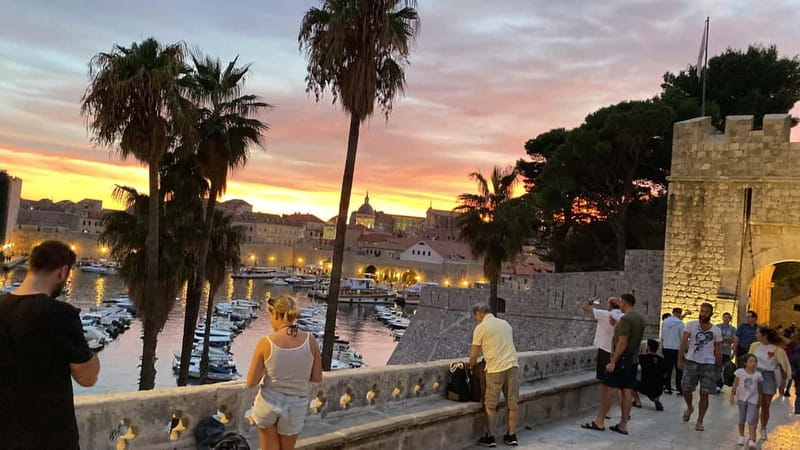
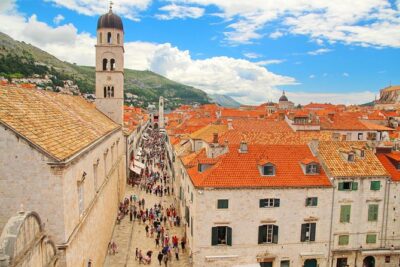
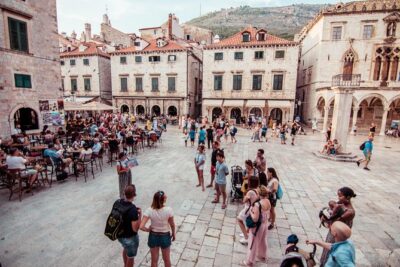
Stradun is the city’s main street, and walking it with context changes everything. You’ll hear about the Republic of Dubrovnik era—how the city worked, what its main activities were, and how customs shaped everyday routines. The guide also talks about rivals and reconstruction efforts, which helps explain why Dubrovnik cared about stability and good governance.
Sponza Palace is a highlight here, because it represents power in a form you can actually picture: administration and economic life, not just royal drama. When a guide connects palaces to trade and civic needs, the buildings start making sense in your head. You’ll see the street as a working corridor, not a single-file line of tourists.
A fun bonus you’ll get from the guide’s storytelling: traditional costumes and dances of Dubrovnik and the surrounding region. That cultural layer matters because Dubrovnik wasn’t only a fortress-city. It was also a place where people celebrated, dressed up for occasions, and passed identity through generations.
Even if you don’t follow dance folklore in your spare time, I think it adds texture. It stops the tour from feeling like a list of stones.
Dubrovnik on foot, a few more routes off the Stradun
- Dubrovnik: Game of Thrones Walking Tour
★ 5.0 · 1,732 reviews - Dubrovnik: Ancient City Walls & Wars Walking Tour
★ 5.0 · 1,270 reviews - Dubrovnik: City Walls, Old Town Walking Tour & Adriatic View
★ 4.9 · 982 reviews - Dubrovnik: Game of Thrones Walking Tour
★ 4.9 · 981 reviews - ‘Game of Thrones’ Walking Tour in Dubrovnik
★ 4.5 · 945 reviews
Inside St. Blaise, the Cathedral, and St. Ignatius
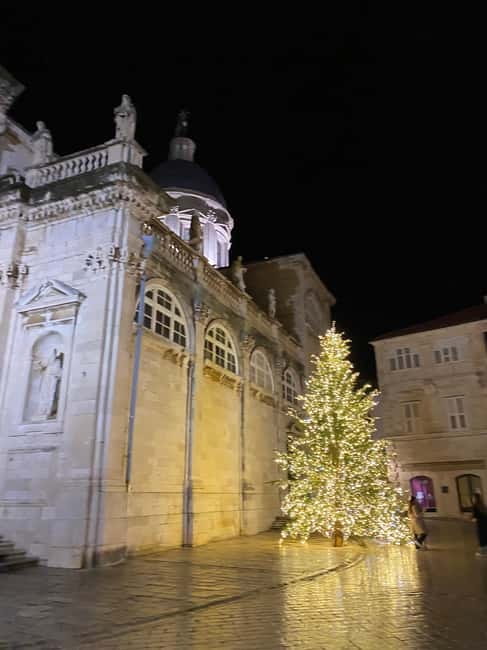
This is where the tour feels like more than “just another old-town walk.” You will visit the interior of three major sites:
- Church of St. Blaise
- Dubrovnik Cathedral
- Church of St. Ignatius
For me, interiors are where you learn to slow down a notch. The guide’s explanations help you notice details you might otherwise miss—symbols tied to the city’s identity, art choices connected to periods of change, and the way major religious sites anchor the look of the old town.
St. Blaise is especially meaningful in Dubrovnik, and the tour makes sure you understand why it matters. The Cathedral and St. Ignatius bring a broader feel of the city’s religious and educational footprint, too. In other words, you’re not just stepping inside for a quick glance. You’re entering with context, which is usually what separates a good guided tour from a forgettable one.
Practical note: church interiors can be quiet and rules can be more strict than outside streets. You’ll likely spend short bursts inside each, then move on. That pace is part of the value—90 minutes gives you a tight, high-impact route.
The Rector’s Palace Area, Old Neighborhoods, and the Port Exit
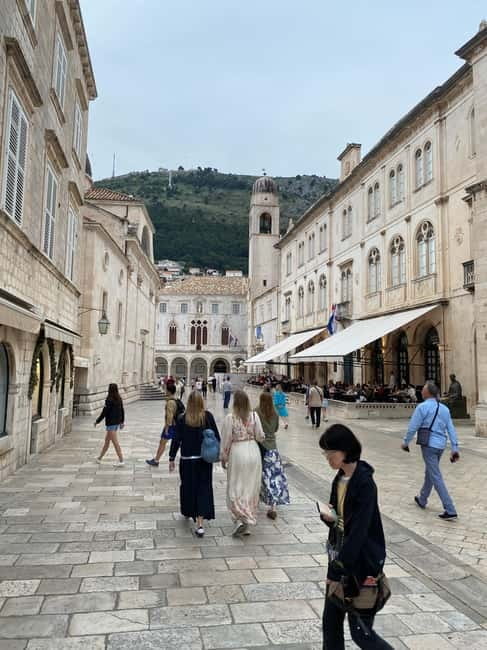
As you continue eastward, you’ll reach the area of the Rector’s Palace and also see the city’s bell tower and other civic landmarks along the way. The tour can include discussion around architecture and reconstructions, including which architects carried out rebuilding efforts. That matters because Dubrovnik’s current look is not just “ancient.” It’s shaped by repair, planning, and decisions made after damage.
One important detail for planning: access to the Rectors’ Palace museum is not included. If you want to go inside the museum, you’ll need tickets/admission separately. Even if you skip that, you still get the civic context around the palace area, which helps you understand the city’s structure.
You’ll also walk through the oldest neighborhood toward the old port, and this is a smart ending. The port is where a fortress city connects to its outward-facing life—movement, exchange, and arrival. Ending there turns the whole route into a story with a beginning and a working endpoint.
If you’re hungry or shopping right after, you’ll be in the right zone. And because the tour ends after that final stretch, you’re not stuck later wondering where your legs should go.
Cost, group size, and what $17 buys you in Dubrovnik
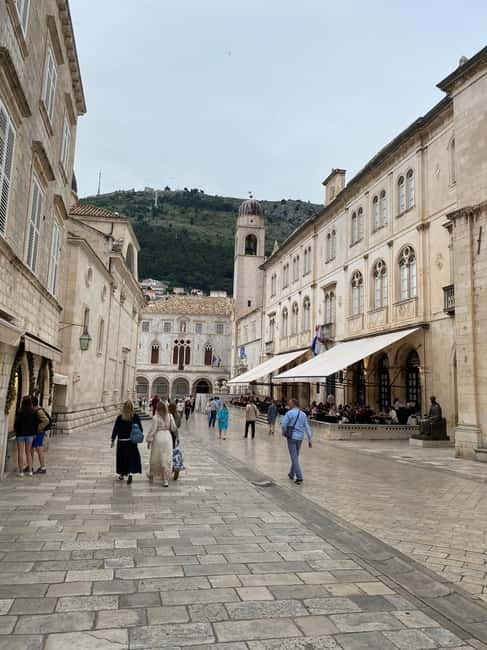
At $17 per person for a 90-minute guided walk with multiple interior visits and a local explanation-focused guide, this is strong value. The price makes sense because you’re paying for:
- A structured route through the old town’s most important areas
- Inside access to St. Blaise, the Cathedral, and St. Ignatius
- Meaningful storytelling about the Republic era, customs, rivals, and how Dubrovnik was built
- Small-group time (max 8 participants), which helps you actually hear what’s going on
I also like the “small group” aspect because Dubrovnik’s Old Town can get loud and crowded fast. With only a handful of people, the guide can keep pace without treating you like a line in a queue.
One consideration: the experience is described as live guided in Spanish and Croatian. Since some content may appear in its original language, expect occasional language mixing. If Spanish is your only language, you might want to be prepared to work a little harder to ask questions smoothly.
A final value point: the guide shares practical cultural material too—traditional costumes and dances, food topics, and the islands and beaches angle. Even if you don’t go to islands on the same day, you’ll leave with ideas worth checking out later.
Choosing the right time of day for photos and vibes
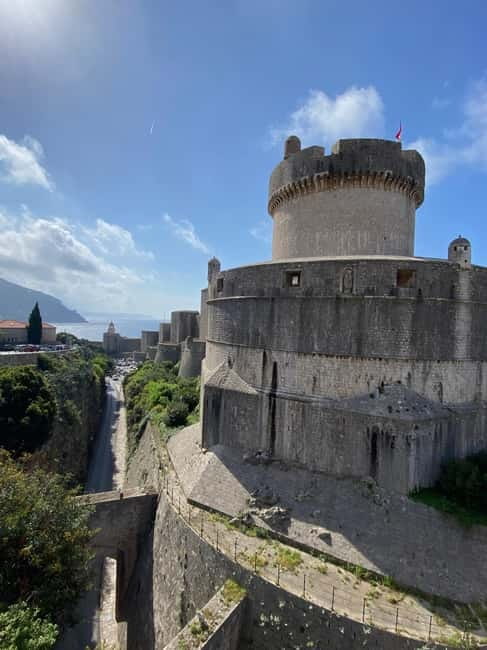
You can’t control the weather, but you can control the light. One helpful way to think about timing: pick a start time that lets you see the city in more than one mood. A later slot can work well because you get day brightness for learning, then you can keep wandering afterward as the atmosphere shifts toward evening.
If your goal is photos, plan your walking energy accordingly. The tour itself is tightly packed, so do your “tour learning” during the 90 minutes, then do your “slow photo rounds” right after the port exit.
And because the tour covers islands and beaches in the discussion, it’s worth matching your walking day to your beach day. If you plan to hop off to an island or spend time by the water later, this tour gives you the historical anchor that makes the coast feel connected to the city instead of random scenery.
Is this tour right for you?
This tour is best for you if you want Dubrovnik’s Old Town with context, not just a highlights checklist. I’d especially recommend it if you care about how the Republic of Dubrovnik shaped daily life, and if you like learning from a guide who was born in the city and can explain what the city means beyond the brochures.
It may not be your best fit if:
- You need a kid-friendly option (it’s not suitable for under 16)
- You need lots of time for museums beyond what’s included
- You want deep museum time at Rector’s Palace (tickets aren’t included)
If you’re planning islands and beaches, you’ll also appreciate the way the guide connects that wider region to the city’s identity.
Should you book Discover the Old Town of Dubrovnik?
Yes, I’d book it if your goal is a high-value, high-impact overview in just 90 minutes, with inside visits to major churches and a guide who brings the city’s story to life. At $17 with a max group size of 8, you’re not paying for fluff.
Book with the expectation that it’s a walking tour with a set pace. If you’re comfortable learning while moving and you want to understand why Dubrovnik was built the way it was, you’ll get a lot out of it.
FAQ
Where does the tour meet?
You meet in front of the Jewish fountain, at the start point marked with a Spanish inscription that reads Discover the Old City of Dubrovnik.
How long is the tour?
The tour lasts about 90 minutes.
What does the tour cost?
The price is $17 per person.
What languages are the tours in?
The live guide offers Spanish and Croatian.
How many people are in the group?
The group is limited to 8 participants.
Are any churches visited inside?
Yes. The tour includes the interior of the Church of St. Blaise, the Cathedral, and the Church of St. Ignatius.
Is entry to the Rector’s Palace included?
No. Tickets and admission to the Rector’s Palace are not included if you want to visit the museum.
Is there a cancellation option if plans change?
Yes. You can cancel up to 24 hours in advance for a full refund.
Is this tour suitable for children?
No. It is not suitable for children under 16.
Keep Walking the Old Town


The Walls & Old Town, More Ways In
More Tour Reviews in Dubrovnik



Fresh on the Dubrovnik shortlist



City Walls & Old Town, compared.
 ★ 4.8Old Town Walking TourFrom $235,174 reviews
 ★ 5.0Dubrovnik Discovery Old Town Walking TourFrom $244,458 reviews
 ★ 5.0Dubrovnik Old Town History Walking TourFrom $241,684 reviews
 ★ 4.8City Walls Early Morning or Sunset Walking TourFrom $291,523 reviews
 ★ 5.0Ancient City Walls & Wars Walking TourFrom $301,270 reviews
 ★ 5.0Dubrovnik Combo: Old Town & Ancient City WallsFrom $521,019 reviews
 ★ 4.9City Walls, Old Town Walking Tour & Adriatic ViewFrom $27982 reviews
 ★ 4.9Blue Cave Tour with Panoramic Old Town ViewFrom $73884 reviews
Browse the lists this tour appears in