
Reviewed · DUBROVNIK PRIVATE TOURS
Pearls of the Balkans from / to Dubrovnik; Semi – Private Tour
Eight days, five countries, and one packed calendar. I like how this trip strings together UNESCO towns (Kotor and Ohrid) and Ottoman-era atmosphere (Tirana and Mostar) without feeling random. I also love the human side: guides like Migen A. and, on another departure, Gesi, were flexible and good at steering you toward the best moments. The catch is the pace: long drives between borders and cities mean you’ll spend more time in transit than on a calm, slow vacation.
This is a semi-private style tour (max 10 people), with pickup from Dubrovnik or Kotor and a professional tour leader handling the hard parts—routes, timing, and site access. The price is steep for solo travelers, so I’d weigh whether you want “see a lot” or “linger.” If you’re okay with a busy itinerary and you pack for uneven walking, it can feel like getting a jump-start on the Balkans.
In This Review
- Key Highlights You’ll Feel Right Away
- Entering The Region From Dubrovnik: First Pickup, Then Borders
- Kotor Old Town: Cobblestones, Church Stops, and the Maze Design
- Budva’s Old vs. New: Two Sides of the Same Coast
- Tirana: From Communist Isolation to Everyday City Life
- Berat: Living Inside the Castle Walls and Those 1001 Windows
- Ohrid and the Lake: St. John at Kaneo + Handmade Paper
- Skopje’s Bridges and Old Bazaar: A City Built in Layers
- Prizren and Sinan Pasha Mosque: River Town to Fortress Views
- Mrizi i Zanave Farm and Shkodra Town: Slow Food Meets Old Walls
- Lake Skadar and Virpazar: Birds, Quiet, and a Break From Cities
- Blagaj and Mostar: Ottoman Town by the Buna Spring
- Price and Logistics: The Real Value (and the Real Cost)
- What to Pack and How to Survive the Walking Comfortably
- Should You Book Pearls of the Balkans?
- FAQ
- What time does the tour start from Dubrovnik?
- Can I be picked up from Kotor instead of Dubrovnik?
- How long is the tour?
- What languages is the tour offered in?
- What’s the maximum group size?
- What’s included in the price?
- Is breakfast included every day?
- Are lunches and dinners included?
- Are entry tickets included?
- Can I book a single room?
- Is the tour refundable if I cancel?
Key Highlights You’ll Feel Right Away
- UNESCO hits early and often with Kotor and Ohrid on the front half of the trip
- Tirana’s communist traces, from Postblloku to the Blloku area tied to Enver Hoxha
- Berat’s 1001 Windows and life lived inside ancient castle walls
- Ohrid + St. John at Kaneo viewpoint, plus a hands-on-style stop at handmade paper in Ohrid
- Prizren from street level to fortress panoramas, including the Sinan Pasha Mosque
- Mostar day with Stari Most, Old Bazaar wandering, and Bišćevića Kuća
Other days with a guide kept just to yourself
- Private Tour: Montenegro Day Trip from Dubrovnik★ 4.5 · 495 reviews
- Tour The Game of Thrones – Private Walking Tour★ 5.0 · 464 reviews
- Montenegro Private Full Day Tour from Dubrovnik★ 5.0 · 376 reviews
- PRIVATE TOUR: Highlights & Hidden Gems of Dubrovnik With Locals★ 5.0 · 249 reviews
Entering The Region From Dubrovnik: First Pickup, Then Borders
The trip starts with a morning pickup—typically 07:30 am from Dubrovnik. If you want a later start, pickup can be arranged at 09:00 am in Dubrovnik or 11:00 am from Kotor, free of charge. That flexibility is handy if you’re already staying near the Old Town and don’t want a too-early wake-up.
Then it’s straight into “Balkan travel mode.” You’ll cross the border by vehicle, meet your tour leader on the way, and start moving through the region like a relay team. This matters because the value here is not one city—it’s the connectivity. You’re buying a guided system that links multiple countries that are otherwise a chore to piece together yourself.
Kotor Old Town: Cobblestones, Church Stops, and the Maze Design
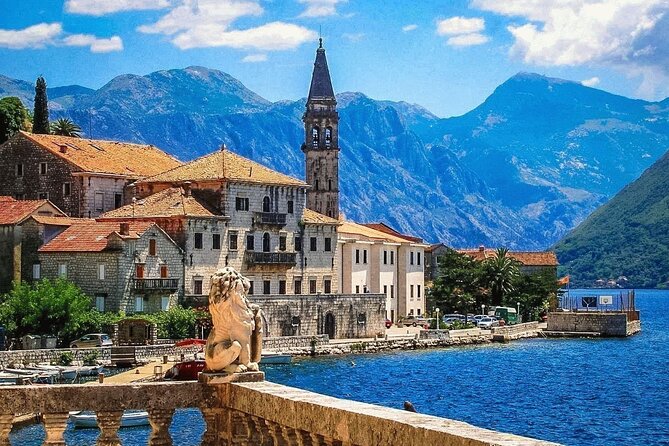
Day 1 drops you into Kotor, a UNESCO-listed old town with streets that look chaotic until you realize the design is strategic. The maze-like street plan helped confuse intruders—history you can practically read into the stone lanes.
What I like about this stop is that it’s not “bus-view, then leave.” You get about two hours to wander, with enough time to slow down, check out the small plaques on old churches/buildings, and visit Saint Luke’s Church. Admission is listed as free for that stop, which is a good sign for the overall structure of the day: you’re not forced into paying for everything right at the start.
Practical note: Kotor’s center is compact, but it’s still cobblestone walking. If your feet hate that after several days, you’ll notice it. Bring shoes you can survive in, not just shoes you can pose in.
Budva’s Old vs. New: Two Sides of the Same Coast
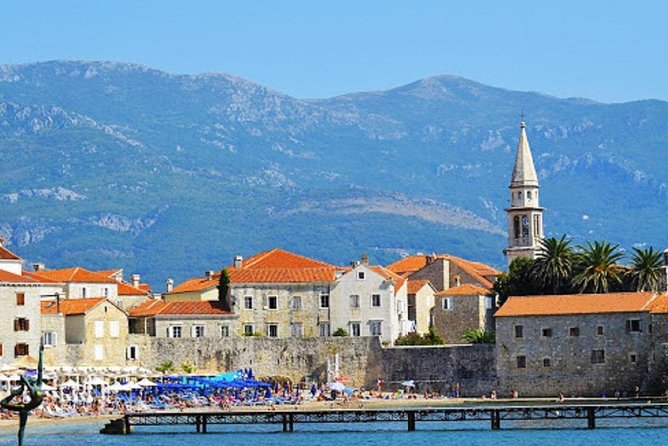
After Kotor, you head to Budva (Montenegro). The city is split in the way many Balkan places are: a newer zone with offices, shops, bars, and a historic old center that gives you the architectural bones.
You’ll get around two hours in Budva, with time to explore the Old Budva center—medieval streets and churches like St. Ivan and St. Mary. Admission is listed as free for these stops, so you’re paying mainly for the transport and guidance rather than stacking extra museum tickets.
If you’re hoping for a full beach day, this isn’t that. This is a “walk, look, learn” day. The upside is you’ll keep moving, and you won’t spend half the trip stuck in traffic waiting for the next stop.
Tirana: From Communist Isolation to Everyday City Life
Day 2 shifts to Albania’s capital, Tirana. You’ll check into your accommodation and then start sightseeing the same day—so yes, it’s a full day even though the tour officially begins with a “morning drive.”
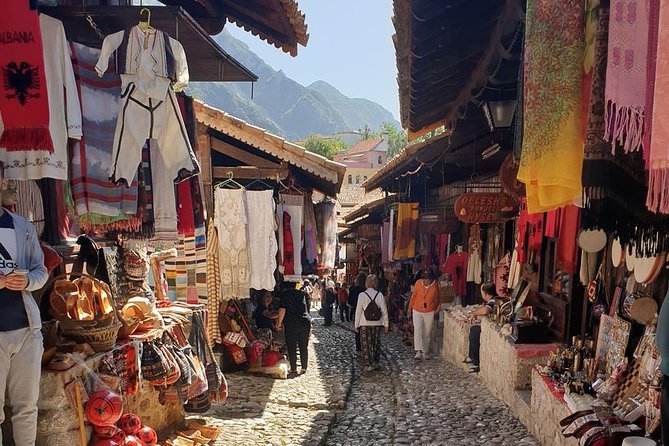
Tirana is where the tour gets especially interesting if you like how political eras leave physical marks on the city. You stop at Postblloku (Checkpoint), a memorial to Albania’s communist-era isolation. From there you head into Blloku, once a restricted area for the Albanian politburo and now one of the livelier neighborhoods filled with cafés and street art.
You’ll also pass by the residence tied to Enver Hoxha, the communist leader. I like stops like this because they turn abstract history into something you can point at.
Next comes Skanderbeg Square, framed by major institutions and landmarks, including Ethem Beu Mosque. The tour also includes a walk toward Tirana Castle, described as a pedestrian street where modern and tradition mix. Then there’s a strong religious architecture loop: Namazgah Mosque (listed as the largest in the Balkans), plus the Orthodox Cathedral and Catholic St. Paul’s Cathedral—with the tour explaining Albania’s atheist-state period under communism.
This is a lot of stops, but it makes sense: you’re learning how one city can hold multiple layers at once.
More days handed to a private guide
- Mostar and Kravice Waterfalls Tour from Dubrovnik (Semi-Private)
★ 5.0 · 3,125 reviews - Dubrovnik: Blue & Green Caves Private Boat Tour with Drinks
★ 4.7 · 814 reviews - Dubrovnik Private Speedboat Tour to Elaphite Islands with Drinks
★ 5.0 · 660 reviews - Private Tour: Montenegro Day Trip from Dubrovnik
★ 4.5 · 495 reviews - Tour The Game of Thrones – Private Walking Tour
★ 5.0 · 464 reviews
Berat: Living Inside the Castle Walls and Those 1001 Windows
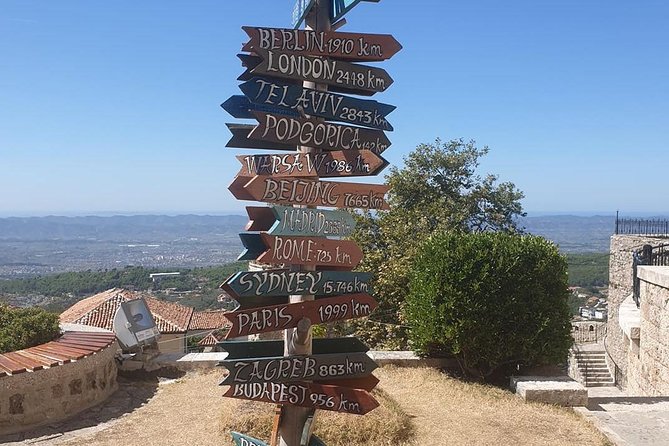
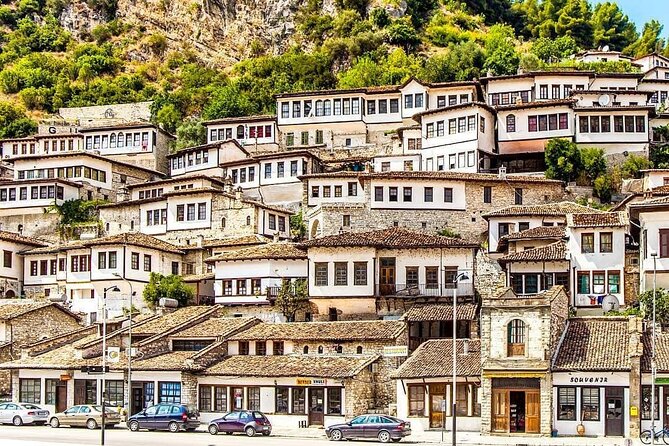
Day 3 is Berat, famous for the view of stacked windows—often called the town of 1001 windows. The old streets are steep and narrow, and the windows feel like they’re layered on top of each other along the hillside.
A key detail: residents still live inside the castle walls. That makes Berat feel less like a theme park and more like an actual working town. The stop is short—about 30 minutes for the main city wandering—so you’ll want to decide early what you want: quick photos from several angles, or fewer angles with more time to soak in the view.
Then you get time at Berat Castle, also listed as included. You’ll see medieval religious buildings, museums, and even remnants from the communist period. The castle stop is another 30 minutes, which is enough to orient yourself and grab a panorama, but not enough to feel like you’re “finishing” everything.
Ohrid and the Lake: St. John at Kaneo + Handmade Paper
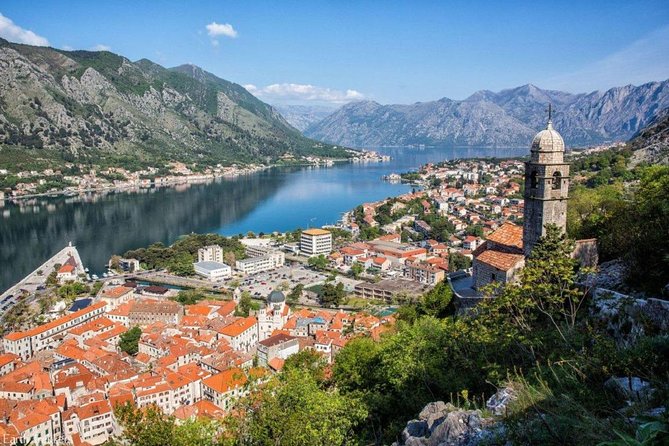
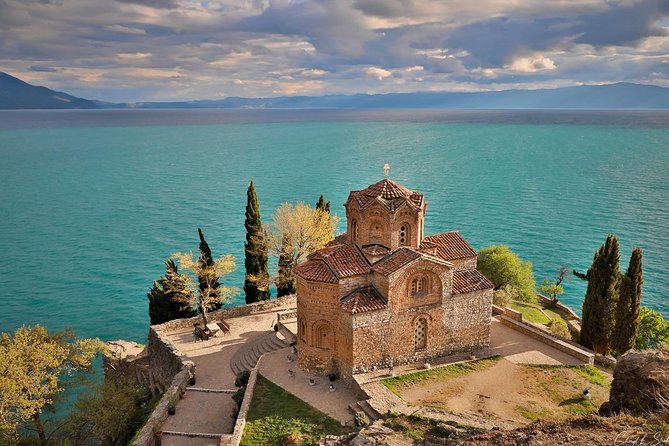
After Berat, the tour drives to Ohrid, described as one of Europe’s oldest human settlements, with UNESCO status for both city and lake. Ohrid’s story blends Roman references (the lake’s name) and long religious traditions—so the viewpoint stops are more meaningful than just pretty pictures.
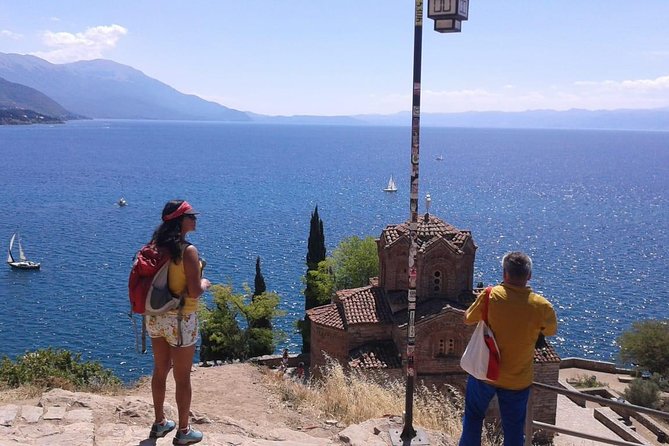
You’ll visit the viewpoint of Church of St. John at Kaneo. This is the kind of spot where the lake looks like it was built for postcards—yet the key value is the context: you’re learning why the Orthodox tradition and Ottoman-era building patterns shaped the town’s narrow streets and tiny yards.
The tour also includes the National Workshop for Handmade Paper Ljupcho Panevski, with time to learn about handmade paper production and even purchase handmade paper as a souvenir. It’s one of those small stops that can break the “big city monument” rhythm and give you something tactile.
Ohrid is also where you might start to feel the stamina cost. You’re walking viewpoints and climbing terrain, then moving again the next day. Pace yourself for the long arc.
Skopje’s Bridges and Old Bazaar: A City Built in Layers
Day 4 brings you to Skopje, the capital of North Macedonia. The tour frames it as a blend of European, Ottoman, and Asian influences, and the sightseeing points are very “city-structure” oriented—statues, bridges, bazaars, and panoramic symbols.
You’ll spend time around the Stone Bridge, which links new and old parts of the city. You’ll see the Alexander the Great Statue in the center, plus the Art Bridge leading toward the archaeological area. There are also distinctive street lanterns and statues of Macedonian artists and musicians along the bridges.
Then it’s into the Old Bazaar of Skopje, described as the biggest in the Balkans, where modern life and older structures share the same space. Finally, you’ll see the giant cross on the mountain, a visible symbol from far away.
The listed stop durations are short, which means you’ll be moving quickly and using your guide to interpret what you’re seeing. If you like “rapid orientation,” this is great. If you hate rushing, Skopje might feel like it belongs in a separate trip.
Prizren and Sinan Pasha Mosque: River Town to Fortress Views
Later on Day 4, you go to Prizren, described as the cultural capital of Kosovo with a mix of history, religious tolerance, nature, and food. The old town sits along the river, with bridges crossing the water through the center—so you’re walking a town layout that naturally invites pauses and photo angles.
You’ll visit Sinan Pasha Mosque (listed as an included stop, with admission ticket included). It’s described as especially detailed in color and pattern, which is what makes mosque architecture stops feel worthwhile rather than just checklist items.
After that comes Kalaja Fortress, where the payoff is the panoramic view from above. That’s a good use of time: you get elevated perspective after streets at river level.
If you’re sensitive to steep paths, take it slow in the fortress area. The payoff is worth it, but it can be a workout.
Mrizi i Zanave Farm and Shkodra Town: Slow Food Meets Old Walls
Day 5 starts with a slow-food agro-tourism stop at Mrizi i Zanave – Restorant Agroturizëm. This isn’t only sightseeing—it’s a small look at how regional bio products are grown, processed, and preserved. The farm is described as creating jobs for hundreds in the surrounding area, and you’ll learn how it adapted older communist buildings for storage.
You’ll have some free time for a traditional lunch or to buy fresh produce. Even though lunch isn’t listed as included in the overall tour price, this stop is designed so you can choose to eat well without leaving the day’s rhythm. If food matters to you, this is a strong point of the trip.
In the afternoon you reach Shkodra (Shkodër). It’s framed as ancient, with the oldest castle wall dating to the first millennium BCE, plus references to Illyrian roots. It’s a cultural stop with lots of time for “stand in the square and feel the layers,” not a museum-heavy day.
Then comes an arts stop: Venice Art Mask Factory, where papier-mâché masks are handmade and painted by hand. The fact that it’s inspired by Venetian carnival traditions makes it a fun contrast against the rest of the day’s Balkan architecture. It’s also listed with admission ticket included.
Lake Skadar and Virpazar: Birds, Quiet, and a Break From Cities
Day 6 is nature-forward, heading north toward the border with Montenegro and then to Lake Skadar. The tour presents it as the largest lake in the Balkans and a protected national park, with over 260 bird species mentioned, including pelicans and herons. If you’re the type who likes wildlife more than monuments, this is your reset button.
You’ll get about one hour to take it in, and then you reach Virpazar, a lakeside village described as the gateway to the national park. The stop includes time to stroll and check out a local market, plus relax with coffee or local wine while looking out over the water.
Then you continue to Podgorica, Montenegro’s capital. You’ll have time in the evening for sights like Millennium Bridge, Old Ribnica River, and Independence Square—or just dinner on your own.
This part of the trip matters because it adds breathing space. It breaks up the castle and church cycle and gives your brain a different kind of “input.”
Blagaj and Mostar: Ottoman Town by the Buna Spring
Day 7 crosses into Bosnia & Herzegovina and goes to Blagaj, a small Ottoman town near Mostar. The big draw here is nature: the spring of the river Buna appears with striking blue water against a cliffside setting.
Then it’s on to Mostar, with the iconic Old Bridge (Stari Most)—UNESCO listed and built in the 16th century. The tour also includes wandering the Old Bazaar with its lively lanes and then a stop at Bišćevića Kuća, one of the best examples of Ottoman residential architecture in the region.
This day is where the whole Balkan “layers” theme becomes easy to feel in your bones: Islamic architecture, river-city layout, and the older war-era memory woven into the public spaces with commemorative markings.
Price and Logistics: The Real Value (and the Real Cost)
At $3,434.13 per person for an approximately 8-day circuit, this isn’t a budget tour. The value comes from three things:
First, you’re covering a lot of borders and countries without doing logistics yourself. Private transportation and a professional tour leader mean fewer wasted hours figuring routes, buying tickets, and translating basic systems.
Second, you’re getting included site access for the stops marked with entry fees (for example, places like Berat Castle, Ohrid’s handmade paper workshop, and Prizren’s mosque area). You’ll still pay for lunches and dinners, but you’re not constantly adding admissions.
Third, you’re in a max-10 format. That size is big enough to feel social, small enough that a guide can adjust walking pace or reorder attention.
Now the drawback: the trip is tight, and the vehicle logistics can affect timing. One real-world note from past groups: if the tour vehicle is electric, charging stops and station availability can interrupt your schedule and mean longer walks. If you care about clock-perfect pacing, you should plan a little flexibility into your day and bring patience for “charging logistics happen” moments.
Also, accommodation is 3-star with room pricing based on double/twin/triple/quad occupancy. Single rooms are possible but cost an extra 50 euros per night. And based on what I’ve seen with this kind of pricing model, room size and breakfast quality can vary—so if comfort is your priority, consider booking a single only if the room standards fit your expectations.
What to Pack and How to Survive the Walking Comfortably
You’re mixing stone streets, castle viewpoints, fortress steps, and church/mosque areas. Pack for walking more than for weather drama.
Bring:
- Comfortable shoes with grip for cobblestones and slopes
- A light layer for church stops (and sun for viewpoints)
- A small day bag for water and essentials
- A respectful outfit for religious sites (shoulders/legs covered enough)
And think about energy management. A common trap on multi-country tours is spending your morning fueled by excitement and then hitting the afternoon drop with tired feet. Build a rhythm: quick photos early, then slower wandering when you reach viewpoints or bazaars.
Should You Book Pearls of the Balkans?
I’d book this if you want a guided “greatest hits” tour of the Balkans that includes UNESCO towns, Ottoman architecture, and a strong nature break at Lake Skadar. It’s also a good pick if you value having a guide who can handle detours and keep your plan moving—people like Migen A. and Gesi were specifically noted for flexibility and strong local guidance.
I wouldn’t book it if you’re craving lots of downtime, beach lounging, or slow museum browsing. The itinerary is active, and you’ll trade comfort for coverage.
If you’re on the fence, ask yourself this: do you want to see many places in one trip, even if it means staying alert and moving often? If yes, this tour can be a rewarding, efficient way to get oriented across the region.
FAQ
What time does the tour start from Dubrovnik?
Pickup is typically at 07:30 am. There’s also a free option for pickup at 09:00 am in Dubrovnik if requested in advance.
Can I be picked up from Kotor instead of Dubrovnik?
Yes. A free pickup from Kotor at 11:00 am is available if you request it at least 12 hours before departure.
How long is the tour?
It runs for about 8 days.
What languages is the tour offered in?
The tour is offered in English.
What’s the maximum group size?
The tour has a maximum of 10 people.
What’s included in the price?
You get BB (accommodation and breakfast) for overnights, private transportation, a professional tour leader, hotel pickup/drop-off in Dubrovnik or Kotor, and entry tickets for sites that are visited. Tourist taxes, international car insurance, road taxes, and petrol are also included.
Is breakfast included every day?
Breakfast is listed as included for 6 mornings.
Are lunches and dinners included?
No. Lunches, dinners, drinks, and snacks are not included.
Are entry tickets included?
For the sites marked as visited with included access, entry tickets are included as part of the tour.
Can I book a single room?
Yes, single room occupancy is possible with an extra charge of 50 euros per night per person in a 3-star hotel.
Is the tour refundable if I cancel?
No. This experience is non-refundable and cannot be changed for any reason.
More Tours in Dubrovnik
More Private Days in Dubrovnik
More Tour Reviews in Dubrovnik
Fresh on the Dubrovnik shortlist


Dubrovnik Private Tours, compared.
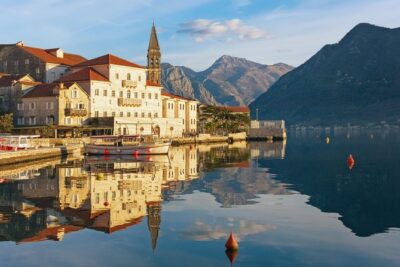 ★ 4.5Private Tour: Montenegro Day Trip from DubrovnikFrom $296495 reviews
 ★ 5.0Tour The Game of Thrones – Private Walking TourFrom $185464 reviews
 ★ 5.0Montenegro Private Full Day Tour from DubrovnikFrom $601376 reviews
 ★ 5.0PRIVATE TOUR: Highlights & Hidden Gems of Dubrovnik With LocalsFrom $104249 reviews
 ★ 5.0Old Town & City Walls Private Walking TourFrom $303206 reviews
 ★ 5.0Montenegro Private Tour from DubrovnikFrom $806193 reviews
 ★ 5.0Mostar, Pocitelj and Kravice Waterfalls Private Tour from DubrovnikFrom $653179 reviews
 ★ 5.0Private full day Montenegro tour from Dubrovnik by Doria ltd.From $338121 reviews
Browse the lists this tour appears in