
Reviewed · KORčULA & PELJEšAC WINE TOURS
Full-Day Peljesac Wine Tour
Croatia’s wine story starts in places most people miss. This full-day trip takes you through the Pelješac Peninsula—one of Croatia’s standout wine regions—then pairs it with a stop in Ston, famous for salt and shellfish. You’ll spend the day seeing how grape growing shapes life here, not just ticking boxes on a tasting menu.
I love that the tour mixes wine with a real sense of place: a scenic, guided one-hour walk through Dingac and tastings across three different wineries. I also like the way it’s set up for English speakers, with an English-speaking driver/guide and transportation by air-conditioned vehicle. One thing to consider is pacing around meals—lunch isn’t included, and timing can run late—so plan to eat something simple earlier.
In This Review
- What You’ll Notice Right Away
- Key Highlights Worth Planning For
- Pelješac: Why This Peninsula Tastes Like a Long Tradition
- The Logistics That Actually Matter on a 7-Hour Day
- Ston: Salt Walls, Shellfish Farms, and a Quick Reality Check
- The Dingac Walk: Where the Views Connect to the Wine
- Three Wineries and the Tasting Mindset That Helps You Choose
- What to Buy (and When)
- Lunch Timing and Pace: The One Part I’d Watch
- Price and Value: Does $153 Make Sense?
- Who This Tour Fits Best (and Who Might Want a Different Day)
- Should You Book This Full-Day Pelješac Wine Tour?
- FAQ
- How long is the Pelješac wine tour?
- What is included in the price?
- Is lunch included?
- Where does the tour stop besides the wine region?
- Do I need to speak Croatian?
- Can I cancel for a refund?
What You’ll Notice Right Away
This is a 7-hour day built around structured tastings and one main active segment: that vineyard walk. Expect views, traditional stories, and plenty of wine samples. You’ll also get a snack during the day, but you should come ready to handle the gap without assuming a full sit-down lunch.
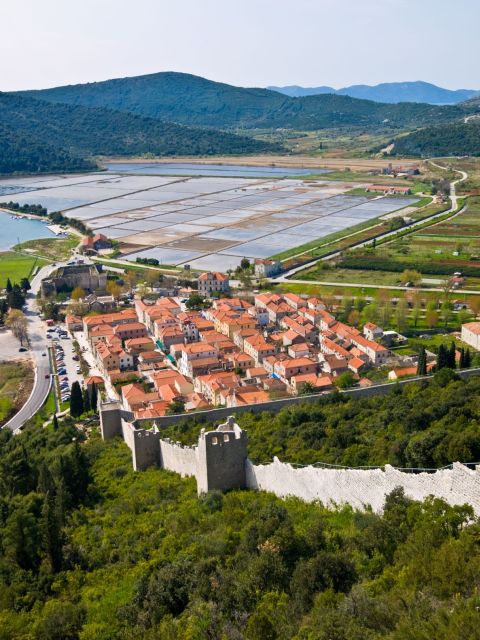
Deeper into the Pelješac vineyards and Ston oyster beds
- Private Mostar, Ston and Kravice Waterfalls – Costumizable★ 4.7 · 314 reviews
- Explore Mostar, Ston and Kravice Waterfalls ( Small Group )★ 4.5 · 166 reviews
- Wine Lover’s Tour of Peljesac Peninsula★ 5.0 · 150 reviews
- Peljesac Peninsula & Korcula Island Day-Trip from Dubrovnik★ 4.3 · 135 reviews
Key Highlights Worth Planning For
- Dingac’s vineyard walk (about one hour): scenic, guided, and focused on how local growing traditions shape the region
- Ston salt and seafood stop: a meaningful break in a town known for salt production and oyster/mussel cultivation
- Three winery tastings: a variety of local styles rather than just one quick pour
- Local wine facts you can use later: you’ll hear story-style context like how Zinfandel is connected to Croatia
- Practical, English-friendly format: air-conditioned transport plus an English-speaking guide
- Bring-home friendly pacing: you’ll get time to enjoy tastings, and in at least some cellar stops you can buy bottles
Pelješac: Why This Peninsula Tastes Like a Long Tradition
Pelješac isn’t treated like a trendy wine stop—it’s framed as a place with depth. The culture of grape growing here is said to date back 4,000 years, with roots often traced to the ancient Greeks. That long timeline matters because it helps explain why you’re tasting wines that feel like they’re built around land, not marketing.
The peninsula is also described as having a special mix of geography and climate, which is why it became one of Croatia’s leading wine areas. In plain terms: the growers aren’t working in a generic wine landscape. They’re working with conditions that help produce distinct flavors, which is exactly what you want on a day tour—enough structure to taste differences, not just drink whatever is in front of you.
When the tour leans into Dingac—one of Pelješac’s known wine areas—it’s aiming at the signature experience: vineyards on a dramatic coastline, with a guide connecting grape growing to day-to-day life. If you like learning why a wine tastes the way it does, this regional framing is the point.
The Logistics That Actually Matter on a 7-Hour Day
This is a full-day tour at 7 hours, and that length changes how you should judge value. For starters, you’re not DIY-ing the driving, parking, and coordinating. You get transportation by air-conditioned vehicle and an English-speaking driver/guide who handles the moving parts.
The day also includes wine tastings in three different wineries plus a snack. That matters because wine tours can quietly turn into hidden costs once you start buying meals and extra fees. Here, you know what’s included: your main expense is the tour price, and the rest is mainly about what you choose to eat beyond the snack and whether you buy bottles.
One more practical note: the schedule is tight by design. That can be great if you like motion and variety, but it can feel less ideal if you want long, slow breaks between tastings.
Ston: Salt Walls, Shellfish Farms, and a Quick Reality Check
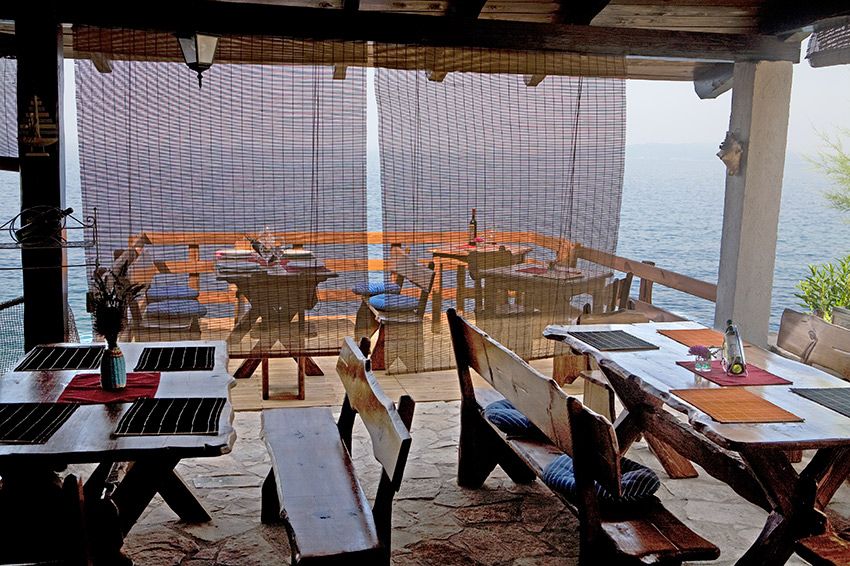
The tour’s Ston stop is more than a quick walk through a pretty town. Ston is notable for traditional salt production, and it’s also linked to oyster and mussel cultivation. That combination gives you a different lens on the region’s food culture—this isn’t only about wine. People here have long relied on what the coast and salt can produce.
In practice, this kind of stop works well because it resets you. After time thinking about vineyards and tasting rooms, you get a sense of how locals work with the sea and the land in other ways. It’s also a good moment to grab a coffee, stretch your legs, and slow your breathing before the next winery.
If you’re the type of traveler who likes food history, salt works, and coastal production, Ston gives you a real story with visuals attached. If you’re only interested in wine, Ston can still be worthwhile because it makes the peninsula feel like a living region rather than a wine set.
More Croatian wine to raise a glass to
- Dubrovnik: Sunset Zip Line Experience Followed by Wine
★ 4.9 · 921 reviews - Dubrovnik: Sunset Kayaking & Snorkeling with water &wine
★ 5.0 · 599 reviews - Dubrovnik: Guided Sunset Sea Kayaking Tour with Wine
★ 4.9 · 333 reviews - Dubrovnik Gastronomy: 3-Hour Food and Wine Tour
★ 4.9 · 249 reviews - Wine Lover’s Tour of Peljesac Peninsula
★ 5.0 · 150 reviews
The Dingac Walk: Where the Views Connect to the Wine
One of the tour’s standout moments is a breathtakingly scenic one-hour walk through the Dingac wine-growing region. This is where the day earns its keep. Most wine tours turn into mostly sitting, sipping, and rushing to the next table. Here, you get a structured walk and a guide who shares insights about local life and traditions connected to growing grapes.
Even if you’re not a hardcore hiker, a one-hour vineyard walk is a smart compromise: you experience the terrain and get context without needing all-day trekking. And because you’re walking through the wine landscape itself, the tastings later make more sense. You’ve already seen where the grapes live, so you can listen for how the wines reflect the place.
The walk also sets expectations for the day’s tone: it’s not just sampling. It’s connecting. You should be ready for that—bring comfortable shoes, and treat it like part of the tasting, not an optional extra.
Three Wineries and the Tasting Mindset That Helps You Choose
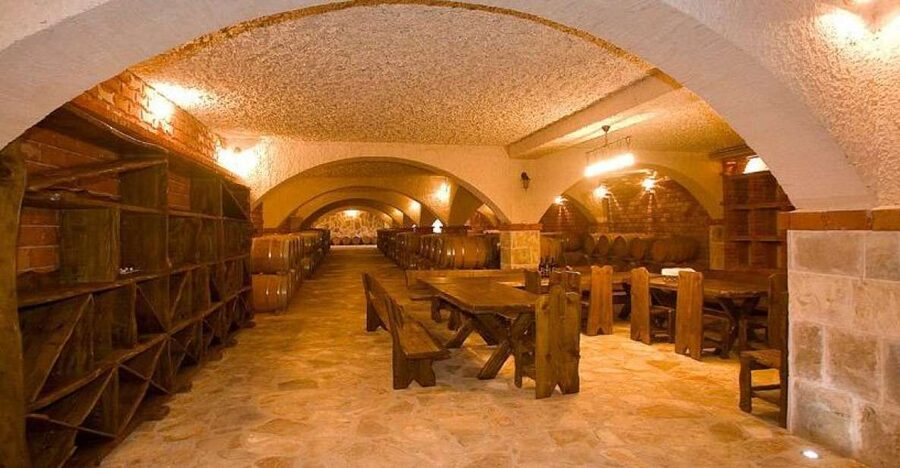
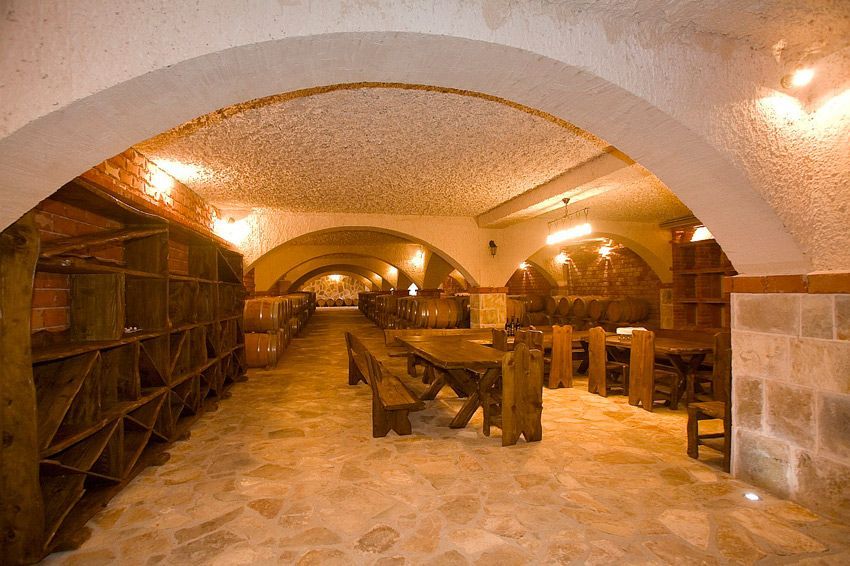
This tour takes you to three well-known wine cellars, where you’ll taste what’s described as the country’s finest wines. That format is a big deal. One winery can be a great experience, but it doesn’t show range. Three stops give you multiple perspectives—different producers, different styles, and different explanations of what you’re tasting.
A highlight from the tour experience is the way the guide shares historical and varietal context. One example shared is how Zinfandel is connected to Croatia. You don’t need to memorize family trees of grapes to enjoy that fact, but it changes how you taste. Suddenly the wines feel less like unknown labels and more like part of a larger story.
The tour also pushes local favorites. Plavac Mali is called out as a must-try, and it makes sense: it’s a signature grape for this part of Croatia. If you like bold reds or wines with character, that’s the style you should pay extra attention to during tastings. And if you find yourself leaning toward one bottle after each stop, that’s exactly the point—this tour gives you comparison time.
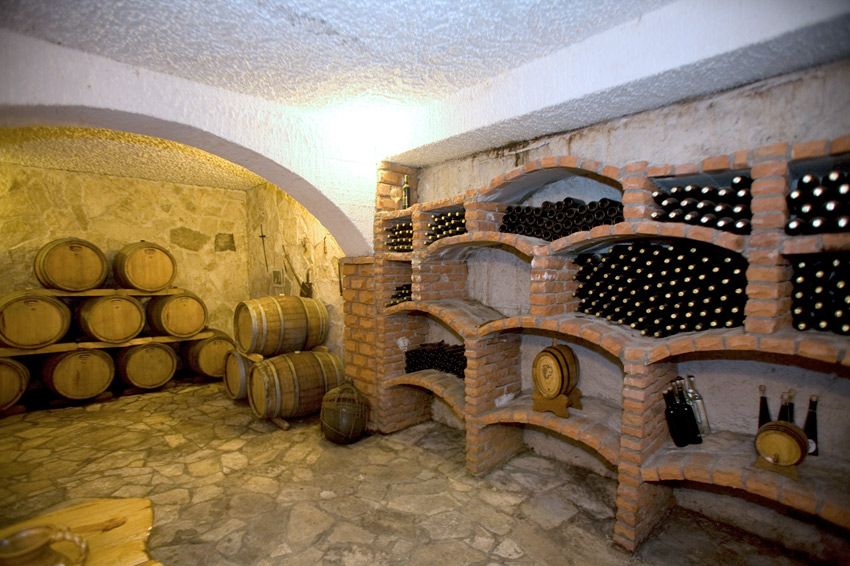
One memorable tasting detail mentioned is a winery with a giant round table that looked like it came out of the King Arthur era. That kind of setting matters more than it sounds. It makes the tasting feel like a moment in a place, not just a transaction. When the room has personality, you remember the wines better too.
What to Buy (and When)
Buying wine is part of the fun on vineyard days, but you’ll want to manage your timing. In at least one instance, the day can feel rushed in a cellar, which can reduce your chance to linger and purchase additional bottles. My advice: if you find a wine you really like, don’t wait until the end of the tasting unless the cellar gives you clear time to shop.
Also remember lunch is not included. If you’re hungry, you’ll feel it first during tastings and later during purchases. Bring a calm mindset and eat something before you start, so the wine experience stays enjoyable rather than urgent.
Lunch Timing and Pace: The One Part I’d Watch
Here’s the most important “read this before you go” point: lunch isn’t included, and timing can get late. One experience notes that lunch happened at 15:00, and it didn’t feel ideal because some winery time can overlap the day’s meal rhythm. Another experience mentions feeling rushed at one tasting stop, with not much time to drink the final wine slowly or to purchase further bottles.
That doesn’t mean the tour is poorly organized overall—it means you should set yourself up to handle the pace. If you want this day to feel relaxed, treat it like a structured tasting program, not an easy lunch-and-linger itinerary.
Practical tips that reduce stress:
- Eat a decent breakfast before pickup so you’re not running on fumes.
- Bring water and plan for snack-only coverage during the day.
- If you tend to get impatient in long drives or tasting schedules, mentally switch into sample mode—short, focused tasting notes instead of lingering for hours.
If you’re flexible and you enjoy variety, the pace often feels like a feature. If you’re the type who needs long meals and slow browsing, it may feel like the tour is moving a bit faster than you prefer.
Price and Value: Does $153 Make Sense?
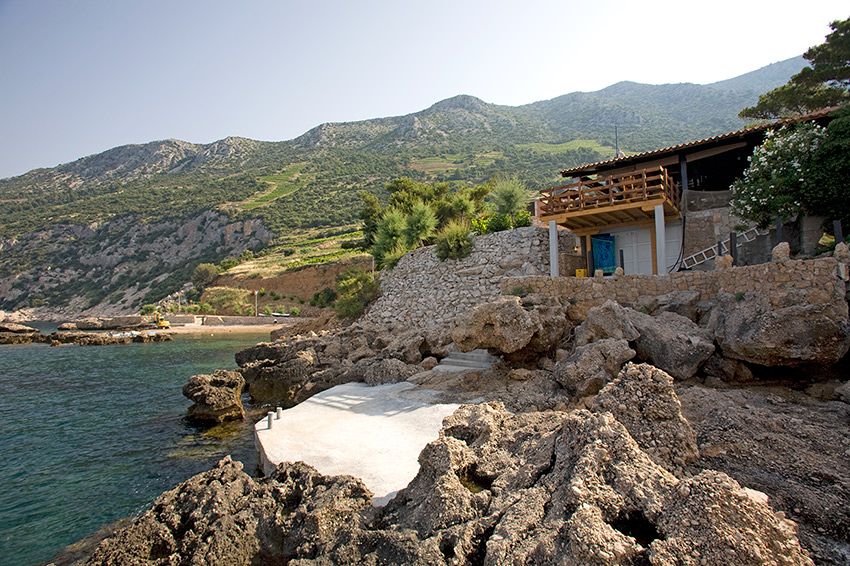
At $153 per person for a 7-hour tour, you’re paying for a few specific things: air-conditioned transportation, an English-speaking driver/guide, tastings at three wineries, and a snack. The most obvious missing piece is lunch, so you should factor that into your true budget.
Is it good value? For most wine-focused travelers, yes—because three winery tastings plus guided context costs much more when you book separately and deal with transport yourself. The real value shows up if you’re new to Pelješac and want your learning curve flattened: you get grape-growing stories, regional framing, and multiple cellars in one day.
If you already know the area well, have your own car, and plan to visit a single cellar you love, you might spend less by going independently. But for first-time visitors, the included structure is what makes this price feel fair.
Bottom line: it’s priced like a proper wine day, not a casual tasting. If that’s what you want, you’ll likely feel good about the spend.
Who This Tour Fits Best (and Who Might Want a Different Day)
This experience suits you if you want a guided introduction to Croatian wine country with enough variety to keep it interesting: Dingac walking time, Ston’s food-history stop, and three winery tastings.
It’s especially a good match if:
- you like learning the stories behind what you’re tasting
- you enjoy coastal vineyard scenery and short active segments
- you want to try local grapes like Plavac Mali
- you’d rather not handle driving logistics on your own
You might consider a different option if:
- you strongly prefer included lunch or slower meal breaks
- you get uncomfortable with rushed tasting moments
- you’re hoping for lots of free time to wander alone without the day moving forward
Should You Book This Full-Day Pelješac Wine Tour?
I’d book it if your ideal day includes scenic vineyard time plus multiple cellar tastings, and if you can handle a schedule that prioritizes variety over long meals. The pairing of Dingac (for grape country context) with Ston (salt and shellfish culture) is a smart way to experience more of the peninsula than wine alone.
If you’re very schedule-sensitive—especially about lunch timing—go in with a plan: eat before you go, keep expectations aligned with a structured tastings day, and if you find a wine you love, don’t wait until the very end to purchase.
Overall, this tour feels like a solid way to taste Pelješac in one day while learning what makes the region tick.
FAQ
How long is the Pelješac wine tour?
The tour duration is 7 hours, and starting times depend on availability.
What is included in the price?
The tour includes transportation by air-conditioned vehicle, an English-speaking driver/guide, wine tastings at three wineries, and a snack.
Is lunch included?
No. Lunch is not included.
Where does the tour stop besides the wine region?
The tour includes a visit to Ston, known for traditional salt production and oyster and mussel cultivation.
Do I need to speak Croatian?
No. The tour is offered with an English speaking guide/driver.
Can I cancel for a refund?
Yes. You can cancel up to 24 hours in advance for a full refund.
More Tours in Dubrovnik

More of the Pelješac Wine Coast



More Tour Reviews in Dubrovnik
Fresh on the Dubrovnik shortlist


Korčula & Pelješac Wine Tours, compared.
 ★ 4.7Private Mostar, Ston and Kravice Waterfalls – CostumizableFrom $663314 reviews
 ★ 4.5Explore Mostar, Ston and Kravice Waterfalls ( Small Group )From $143166 reviews
 ★ 5.0Wine Lover’s Tour of Peljesac PeninsulaFrom $181150 reviews
 ★ 4.3Peljesac Peninsula & Korcula Island Day-Trip from DubrovnikFrom $81135 reviews
 ★ 4.0Ston and Korcula Island Day Trip from Dubrovnik with Wine TastingFrom $82130 reviews
 ★ 5.0Oyster, Mussles, and Wine Tasting Tour in StonFrom $17677 reviews
 ★ 5.0Oysters & Wine Tour From Dubrovnik (Small Group)From $26674 reviews
 ★ 5.0Pelješac Full-Day Wine and Food Tour from DubrovnikFrom $25972 reviews
Browse the lists this tour appears in