

Reviewed · DUBROVNIK PRIVATE TOURS
Dubrovnik’s History with a Local: the Homeland War Stories Private Tour
A siege becomes visible when someone lived it. This private Homeland War walk through Dubrovnik Old Town is built around monuments and scars you can still point to—plus stories from locals who remember the early 1990s when Yugoslavia broke apart and Croatia’s independence fight reshaped everything.
Two things I especially like: you get a guide like Vesna, who lived in Old Town during the 1991 siege, and her first-hand stories make the history feel human, not textbook. I also like how the tour uses specific places—Revelin Fortress and the Memorial Room of the Defenders of Dubrovnik—to connect what happened to what you’re standing in front of.
One drawback to consider: this is a war-focused tour, and it can hit you in the chest. If you’re after light sightseeing only, you may want a different theme for your time in Dubrovnik.
In This Review
- Key highlights to look for
- A War Story Tour That Still Feels Personal in Dubrovnik
- Why the Siege Marks the City: Homeland War Context Without the Fog
- Revelin Fortress First: The Starting Line of the 1991 Story
- Ploče Gate and the UNESCO Entrance: Beauty With a Backstory
- Luza Square and the 5,000 Grenades Moment
- Old Town Scars in Real Time: Buildings That Still Hold Damage
- Memorial Room of the Defenders of Dubrovnik: Photos That Do the Talking
- Rector’s Palace: Daily Life Under Pressure, Not Just Firepower
- Church of the Holy Annunciation: Repair, Identity, and the Ferry Detail
- Church of St. Salvation and the Visible Aftermath
- Pile Gate Finish and the View Toward Fort Imperial
- Price and Time: Is $83 Good Value for This Theme?
- Logistics That Actually Matter in Old Town Dubrovnik
- Who This Tour Suits (and Who Should Skip the War Focus)
- Should You Book the Dubrovnik Homeland War Stories Private Tour?
- FAQ
- How long is the Homeland War Stories Private Tour in Dubrovnik?
- Is this tour private or shared?
- What sites do you visit during the tour?
- Is admission included for the stops?
- What is included in the price?
- What does the tour not include?
- Is it refundable if I need to cancel?
Key highlights to look for
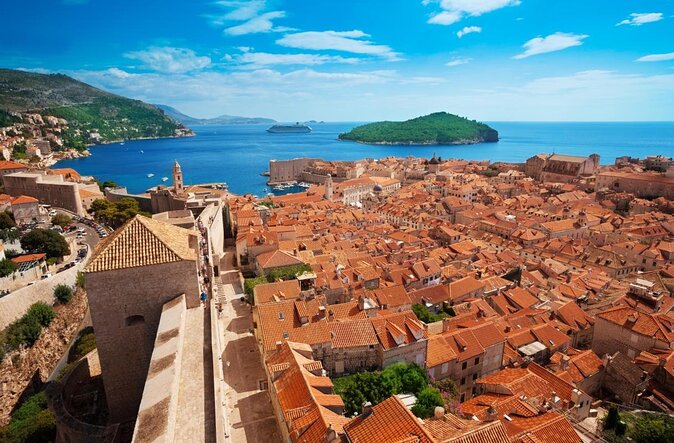
- A local host with real 1991 siege perspective and personal stories tied to the exact streets you walk
- Revelin Fortress as the starting point, linked to the day Dubrovnik faced its first attack
- Luza Square and the 5,000 grenades moment, turning a public square into a hard-to-forget image
- Memorial Room photos of the defenders, where visuals do the emotional heavy lifting
- Rector’s Palace and everyday life under pressure, not just battles and dates
- Church stops that show repair and damage, including context about ferries during the war
Other days with a guide kept just to yourself
- Private Tour: Montenegro Day Trip from Dubrovnik★ 4.5 · 495 reviews
- Tour The Game of Thrones – Private Walking Tour★ 5.0 · 464 reviews
- Montenegro Private Full Day Tour from Dubrovnik★ 5.0 · 376 reviews
- PRIVATE TOUR: Highlights & Hidden Gems of Dubrovnik With Locals★ 5.0 · 249 reviews
A War Story Tour That Still Feels Personal in Dubrovnik
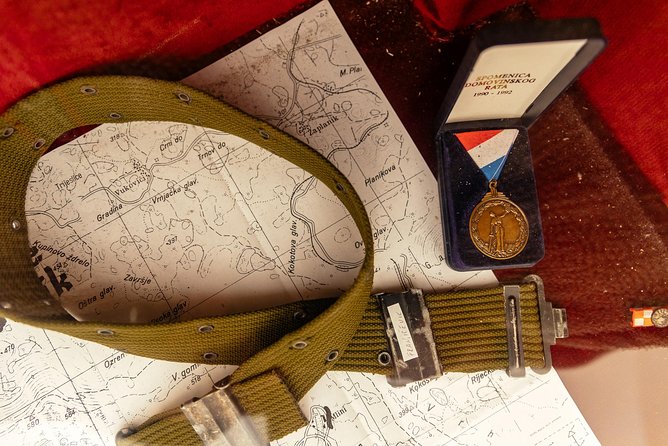
Dubrovnik’s Old Town is famous for its walls, stonework, and camera-ready streets. This tour keeps that beauty, then adds the missing layer: what it felt like when the city was under attack during the Croatian War of Independence.
You’ll move at a human pace, following a local guide who doesn’t talk like a lecture hall. Vesna in particular comes up in the reviews for a reason—she lived in Old Town during the 1991 siege and shares personal accounts that can feel heavy, even when you’re just hearing them on a walk.
The practical upside is that you’re not wandering alone. Each stop has a point, so you leave with a clearer map of how the war hit daily life, not only the headlines.
Why the Siege Marks the City: Homeland War Context Without the Fog
The Croatian War of Independence is the big framing story here. As Yugoslavia fell apart in the early 1990s, Croatia’s path and identity changed—and Dubrovnik carried the impact.
What makes this tour work is how it connects that larger political story to small, concrete details you can see. You’ll learn how and why the war started while you stroll the Old Town, then you’ll watch the tour guide translate that back into buildings, repairs, and visible damage.
If you’ve read a little before coming, this tour helps you connect the dots. If you haven’t, it still gives you enough context to understand what you’re looking at—without drowning you in dates.
Revelin Fortress First: The Starting Line of the 1991 Story
You begin at Revelin Fortress, where the focus is the day Dubrovnik faced its first attack. Starting here is smart because it shifts you from postcard Dubrovnik to siege Dubrovnik right away.
You don’t just get a story. You get a sense of place—fortified walls and defensive thinking—so when later stops mention bombardment and impact, your brain already has the city’s defensive layout in mind.
One practical benefit: the stop’s entry is listed as free, so you can spend more energy on listening and less time figuring out fees.
Ploče Gate and the UNESCO Entrance: Beauty With a Backstory
Next comes Ploče Gate, your entry into the UNESCO Old Town zone. It’s an iconic entrance, but during this tour it’s treated like a threshold rather than a photo moment.
The guide uses this transition to set expectations: you’re walking through beauty that was still in danger. You’ll get a clearer sense of how the war didn’t happen somewhere else. It happened right here, along these same streets you now enjoy at leisure.
Because you’re inside the Old Town, you can also follow the story more easily. The route is walkable and compact enough that the meaning of each stop lands quickly.
More days handed to a private guide
- Mostar and Kravice Waterfalls Tour from Dubrovnik (Semi-Private)
★ 5.0 · 3,125 reviews - Dubrovnik: Blue & Green Caves Private Boat Tour with Drinks
★ 4.7 · 814 reviews - Dubrovnik Private Speedboat Tour to Elaphite Islands with Drinks
★ 5.0 · 660 reviews - Private Tour: Montenegro Day Trip from Dubrovnik
★ 4.5 · 495 reviews - Tour The Game of Thrones – Private Walking Tour
★ 5.0 · 464 reviews
Luza Square and the 5,000 Grenades Moment
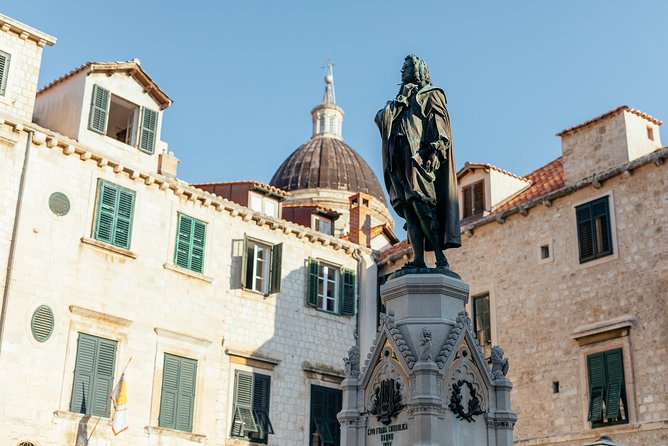
At Luza Square, the tour asks you to imagine how the city got hit by over 5,000 grenades. That number matters, but it’s the guide’s framing that makes it stick.
This is one of those stops where a simple open space becomes unsettling. You’ll likely find yourself looking at the square differently, not just admiring the architecture but trying to picture how fear and disruption would change movement, sound, and everyday routines.
If you’re the type who likes stories that turn places into understanding, this stop delivers. If you prefer purely visual travel, this is still worth it because the narrative explains why certain parts of the Old Town feel both grand and bruised.
Old Town Scars in Real Time: Buildings That Still Hold Damage

Then comes the stretch where the tour emphasizes the war’s impact on historical buildings. You’ll learn about how, why, and when the war started while strolling, but you’ll also keep seeing evidence.
This is where the tour earns its name. You’re not just hearing tragedy. You’re being guided to notice the kinds of damages that linger and the places where repairs are visible. That makes the history feel physical.
The upside for you: you’ll probably look back at your photos later and understand more than just shapes and angles. You’ll recognize which parts were affected and why the city’s survival matters.
The only caution: since you’ll be focusing on damage and repairs, don’t plan this as your one and only sightseeing session if you want a purely upbeat day. Pair it with lighter activities before or after.
Memorial Room of the Defenders of Dubrovnik: Photos That Do the Talking
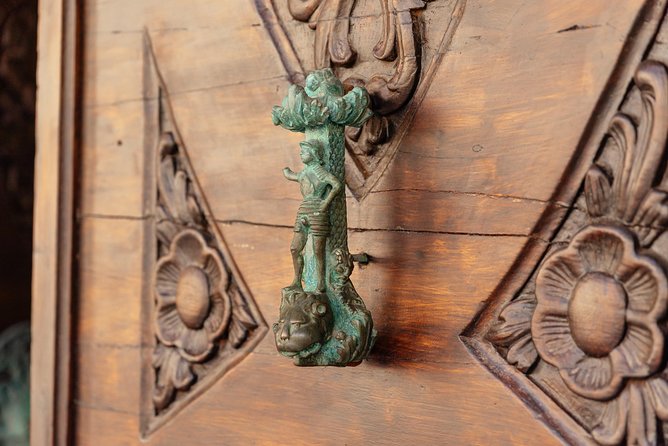
The Memorial Room of the Defenders of Dubrovnik shifts tone from walking-story to documentary-feeling. You’ll see photographs taken during the war, which are listed as part of the stop.
Photos can be hard to look at, but they’re also clear. Instead of a guide trying to explain everything verbally, the images carry weight and context. You’re left with room to think.
What I appreciate about this kind of stop is that it keeps respect front and center. It’s not sensational. It’s evidence—proof of what happened and a reminder of who was defending the city.
Another practical note: this stop is also listed as free for admission, so you’re not paying extra to access the emotional core of the experience.
Rector’s Palace: Daily Life Under Pressure, Not Just Firepower
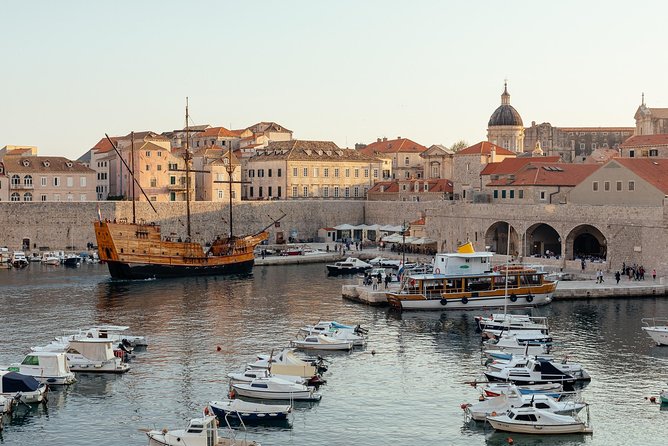
At Rector’s Palace, the guide turns from battlefield visuals to human routines. Here you’ll hear about local daily life during the war while standing near a major historical landmark.
This is the stop that often helps the story become relatable. Siege history can otherwise turn into only tactics and damage. Rector’s Palace helps you understand what changed for ordinary people—how life kept going, but not in the same way.
If you’re traveling with someone who wants both history and human context, this is a great middle ground. You get a beautiful site plus a clear explanation of what people were dealing with day to day.
Church of the Holy Annunciation: Repair, Identity, and the Ferry Detail
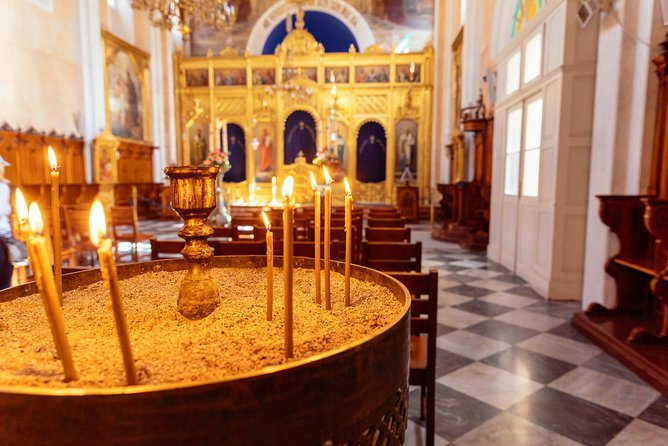
Next is the Church of the Holy Annunciation, where the tour points out a repaired Orthodox church. That repair detail matters because it shows the city’s long work of getting back to normal while still carrying memory.
You’ll also learn more about the situation on the ferries during the war. That ferry note is the kind of small, practical detail that makes a big conflict feel real. It turns the siege into something that affected movement, supply, and daily decisions.
If you’re the kind of traveler who likes how history affects infrastructure, transportation, and routine, don’t skip this. It’s one of the best examples of how war rewires the simplest things.
Church of St. Salvation and the Visible Aftermath
At Church of St. Salvation, the focus turns again to visible damage. Some war-related damage is still noticeable in multiple places in the Old Town, and this stop helps you spot that more clearly.
This is useful because it trains your eye. After this, you’ll likely start noticing other marks and repair choices around you, even when the guide isn’t pointing.
One more reason I like this: the tour avoids turning every stop into only heartbreak. It’s still tied to memory, but it also shows survival—buildings still standing, communities still rebuilding.
Pile Gate Finish and the View Toward Fort Imperial
The tour ends at Pile Gate, on the opposite side of the Old City from where you started. Ending at a gate gives the walk a “closed loop” feeling—you’ve seen multiple edges of the Old Town’s defensive story.
From this area, you can also see Fort Imperial, giving you one more layer of defensive geography. Even if you only catch it in passing, it helps connect the dots between city life and the structures designed to protect it.
It’s a good finishing point for plans after the tour. You’re still in the center of Old Town action, but you’re not stuck right at the exact starting corner.
Price and Time: Is $83 Good Value for This Theme?
The price is $83 for a private tour lasting about 2 hours. For Dubrovnik, that’s not a bargain price, but it’s also not out of line when you’re paying for a local guide who can tailor a war-story walk to what you care about.
Here’s why I think the value makes sense. You’re not just buying access to places. You’re paying for context, storytelling, and guidance to interpret what you’re looking at—especially at the Memorial Room and the fortress stop.
Also, the itinerary lists admissions for the key stops as free, so you’re not stacking the cost of tickets on top. And if your group is large enough, group discounts may apply.
Bottom line: if your goal is understanding Dubrovnik beyond scenery, this tour feels priced for that purpose.
Logistics That Actually Matter in Old Town Dubrovnik
This tour meets at Ulica Vrata od Ploča and ends at Pile Gate. That’s helpful because it’s designed around the Old Town layout, not around a vehicle pick-up and drop-off system.
There’s no hotel pickup or drop-off included, so plan to arrive near the start point on foot or by public transport. The meeting point is listed as near public transportation, which helps.
Wear comfortable walking shoes. The tour notes moderate physical fitness, and while it isn’t described as strenuous, Old Town cobblestones and tight pacing still add up.
Finally, you’ll get a mobile ticket. That’s the kind of small thing that makes the experience smoother—less fiddling, more time for the story.
Who This Tour Suits (and Who Should Skip the War Focus)
This is ideal for you if you want a serious, place-based understanding of Dubrovnik’s 1991 siege and Croatia’s Homeland War context. It’s also a strong pick if you enjoy guides who can connect history to what you can still see—repairs, damaged areas, and memorial spaces.
It’s also a good fit if you’re a history-minded traveler who likes human detail. The reviews highlight how Vesna’s personal stories can land, including how she answered questions from people with military backgrounds and interest in firsthand accounts.
You might choose a different type of tour if you’re traveling on a day when you want pure comfort and lighter mood only. This one asks you to sit with real wartime memories while looking at real places.
Should You Book the Dubrovnik Homeland War Stories Private Tour?
If you’re curious about how Dubrovnik got shaped by the Croatian War of Independence—and you’re okay with a heavier tone—this is a smart booking. The private format matters here because stories often work best when your guide can respond to your questions and pacing, especially around emotional stops like the Memorial Room.
I’d book it if:
- You want your Old Town visit to mean more than photos
- You like guides who lived through major events and can explain what they saw
- You want a walking route that connects fortifications, public squares, churches, and memorials
Skip it if:
- You prefer upbeat sightseeing with minimal tragedy
- You’re looking for a general highlights tour only
One practical thought before you decide: plan to balance this with a lighter activity later the same day. Dubrovnik is still a beautiful city—and after hearing siege stories, you’ll probably appreciate the quiet streets even more.
FAQ
How long is the Homeland War Stories Private Tour in Dubrovnik?
It runs for about 2 hours.
Is this tour private or shared?
It’s a private tour/activity, and only your group participates.
What sites do you visit during the tour?
The tour includes stops at Revelin Fortress, Ploče Gate, multiple Old Town sights, Luza Square, the Memorial Room of the Defenders of Dubrovnik, Rector’s Palace, the Church of the Holy Annunciation, the Church of St. Salvation, and it ends at Pile Gate.
Is admission included for the stops?
For the sights listed on the tour, admission tickets are marked as free.
What is included in the price?
The tour includes a private tour and a local guide.
What does the tour not include?
Hotel pick-up and drop-off are not included. Food and beverages are also not listed as included.
Is it refundable if I need to cancel?
Yes. Free cancellation is available, and you can cancel up to 24 hours in advance for a full refund.
More Tours in Dubrovnik


More Private Days in Dubrovnik
More Tour Reviews in Dubrovnik


Fresh on the Dubrovnik shortlist



Dubrovnik Private Tours, compared.
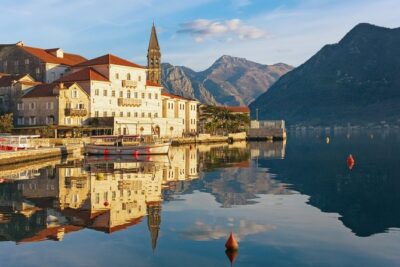 ★ 4.5Private Tour: Montenegro Day Trip from DubrovnikFrom $296495 reviews
 ★ 5.0Tour The Game of Thrones – Private Walking TourFrom $185464 reviews
 ★ 5.0Montenegro Private Full Day Tour from DubrovnikFrom $601376 reviews
 ★ 5.0PRIVATE TOUR: Highlights & Hidden Gems of Dubrovnik With LocalsFrom $104249 reviews
 ★ 5.0Old Town & City Walls Private Walking TourFrom $303206 reviews
 ★ 5.0Montenegro Private Tour from DubrovnikFrom $806193 reviews
 ★ 5.0Mostar, Pocitelj and Kravice Waterfalls Private Tour from DubrovnikFrom $653179 reviews
 ★ 5.0Private full day Montenegro tour from Dubrovnik by Doria ltd.From $338121 reviews
Browse the lists this tour appears in