
Reviewed · DUBROVNIK PRIVATE TOURS
Dubrovnik to Tirana; Semi – Private Tour with Tour Leader & Car
That first morning ride out of Dubrovnik feels like a portal.
This semi-private route strings together Bosnia, Montenegro, Kosovo, and Albania with guided walks and key UNESCO sights, not just windshield scenery. I like the mix of Ottoman-era architecture and war-scarred history, because it explains why these places feel so different street to street. I also love that the tour keeps the pace human: short, meaningful stops like Mostar’s Old Bridge and Blagaj’s spring break up the long driving days.
The one thing to think about is logistics and comfort. You’ll be on and off a car for long stretches, plus uneven terrain in places like Sarajevo, and the big day-to-day sites happen while you’re sharing the road and sidewalks with other visitors.
In This Review
- Key things you’ll notice fast
- The Big Idea: One Car, Four Countries, Lots of Layers
- Dubrovnik to Mostar: Crossing the Border and Hitting Stari Most First
- Sarajevo on Uneven Streets: Bullet Scars, Empires, and the Latin Bridge Story
- Blagaj Spring and Kotor’s Old Town Maze: Nature Meets UNESCO Streets
- Montenegro Coast to Shkodër: Budva Old Town, St. Stefan Views, and Rozafa
- Mrizi i Zanave to Prizren: Slow Food, Sinan Pasha, and Fortress Panoramas
- Gjakova Bazaar, Decan Monastery, and Rahovec Valley Vineyards
- Krujë: Medieval Bazaar Stalls to a Castle Built for Resistance
- Tirana Finale with Byrek, Markets, and Grape Raki
- Price and Logistics: What $3,433.11 Buys You (and What You’ll Pay Extra)
- Who Should Book This Dubrovnik to Tirana Route
- Should You Book This Tour?
- FAQ
- What is the tour duration?
- When does pickup happen in Dubrovnik?
- Is this a private tour?
- What languages is the tour offered in?
- What kind of accommodation is included?
- Does the tour include meals?
- Which admissions are included?
- Is there any physical requirement?
- Is the tour refundable if plans change?
Key things you’ll notice fast
- Semi-private size (max 10 travelers) keeps you from feeling lost in a crowd
- Border crossover included means you don’t have to handle the handoffs yourself
- UNESCO moments: Stari Most in Mostar and Kotor’s old town maze
- Real-life food experiences: Sarajevo coffee on Day 2 and Tirana’s byrek and market meal on Day 8
- Craft and slow food stops: an Ottoman riverside house, a papier-mâché mask workshop, and an agro-tourism farm
Other days with a guide kept just to yourself
- Private Tour: Montenegro Day Trip from Dubrovnik★ 4.5 · 495 reviews
- Tour The Game of Thrones – Private Walking Tour★ 5.0 · 464 reviews
- Montenegro Private Full Day Tour from Dubrovnik★ 5.0 · 376 reviews
- PRIVATE TOUR: Highlights & Hidden Gems of Dubrovnik With Locals★ 5.0 · 249 reviews
The Big Idea: One Car, Four Countries, Lots of Layers
If you want a Balkan trip that feels connected, this is a good format. You start in Dubrovnik and end in Tirana, with a tour leader guiding you through the stories that would otherwise take extra time to piece together on your own.
The value here is the sequencing. You move from medieval Ottoman towns (Mostar, Blagaj) to a city where empires left their fingerprints (Sarajevo) and then onto Montenegro’s coastal old centers (Kotor, Budva). From there, you shift inland to northern Albania and Kosovo, where bazaars, mosques, monasteries, and fortresses explain the region’s cultural crossroads. By Day 8, Tirana doesn’t feel random—it feels like the final chapter after days of historical context.
And yes, it’s a lot of ground. But the car-and-walk structure helps. Instead of trying to cram everything into each city, you get timed guided visits, then you’re given breathing room to wander.
Dubrovnik to Mostar: Crossing the Border and Hitting Stari Most First
You start with a 7:00am pickup from your hotel in Dubrovnik Town. There’s an immediate practical heads-up: cars may not enter some parts of Dubrovnik Town, so you’ll be meeting the driver at the nearest accessible point. From there, you shuttle to the border, where you meet the tour leader for the main guided portion.
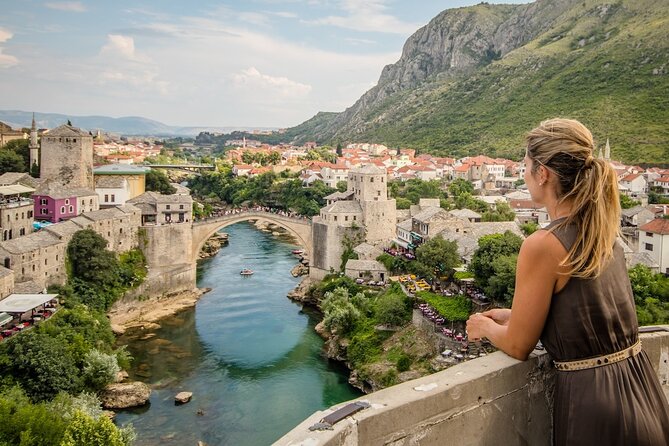
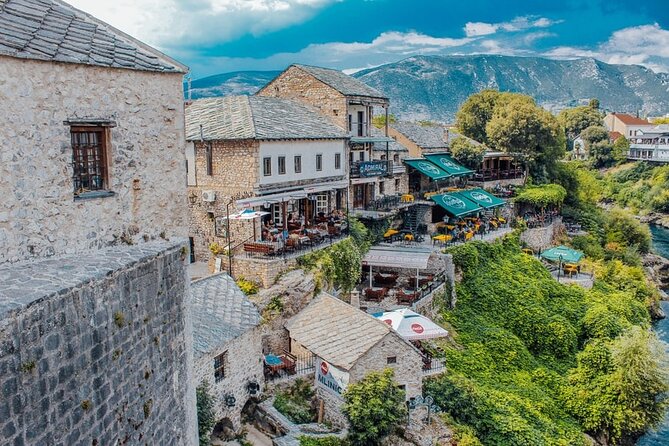
Mostar is your first proper “wow” stop. You head into the UNESCO-listed Old Bridge area (Stari Most) and learn why it became such a symbol. The bridge was built in the 1500s with a distinctly Islamic architectural approach, and it sits at the center of the city’s Ottoman-era identity.
I like that Mostar isn’t treated like one stop and done. You also wander the Old Bazaar: narrow lanes, colorful storefronts, and that Ottoman-meets-modern feel you can literally see. Small details help you understand the place—like stones marked with Don’t Forget, reminders that Mostar’s recent history is part of the walk, not something you only read about later.
Then you add a quieter layer with Bišćevića Kuća (Biscevic House). This 1600s Ottoman riverside home is one of the finer residential examples in the region. It’s only a short visit, but it’s the kind of stop that changes how you picture the people who lived there. Instead of only looking at buildings from the outside, you get a glimpse of domestic life.
Sarajevo on Uneven Streets: Bullet Scars, Empires, and the Latin Bridge Story
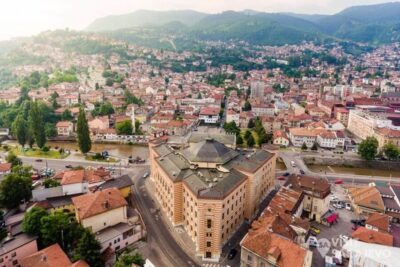
After breakfast, you drive to Sarajevo. This is one of those cities where the ground truth is visible. The tour includes walking on uneven terrain and visiting some ruins, and you’ll see reminders from the Yugoslav War—bullet holes and cannon marks on buildings. That kind of detail can feel heavy, but it also prevents the city from becoming a postcard only.
The guided portion covers Sarajevo’s origins and the medieval Bosnian Kingdom, then moves into the Ottoman and Austria-Hungarian sections. What’s useful for you is that the tour frames Sarajevo as the real European Jerusalem idea—where different faiths and cultures share the same streets. You’ll pass markets and bazaars as well as mosques, churches, and synagogues, so the city’s mix doesn’t stay theoretical.
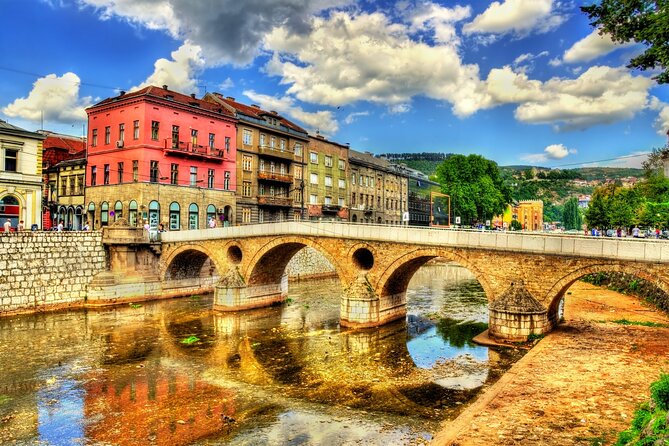
One highlight is the Latin Bridge stop. The story centers on how World War I was triggered there. You’ll also learn the naming angle: the bridge linked the Miljacka’s right bank with the Catholic quarter, nicknamed Latinluk in Ottoman times. It’s a simple geography lesson that makes the big-history moment feel more grounded.
And then there’s the small, smart touch: you stop at Caffe Divan for a complimentary Turkish coffee or tea. It gives you a reset before you keep moving. In Sarajevo, that break matters because you’re mixing intense history with walking.
Blagaj Spring and Kotor’s Old Town Maze: Nature Meets UNESCO Streets
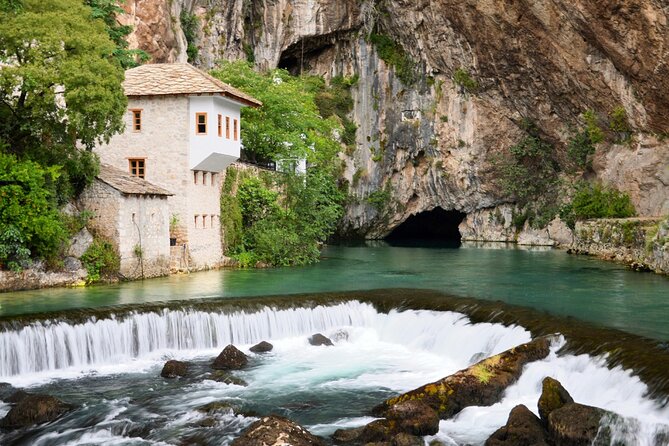
Day three starts outside Mostar with Blagaj. This is the kind of place where the setting helps you understand the architecture. Blagaj sits at the foot of a cliff with blue water in front, and it centers on an Ottoman medieval town feel plus the spring of the river Buna. You’re not just looking at a building here—you’re looking at the landscape that made the settlement practical and compelling.
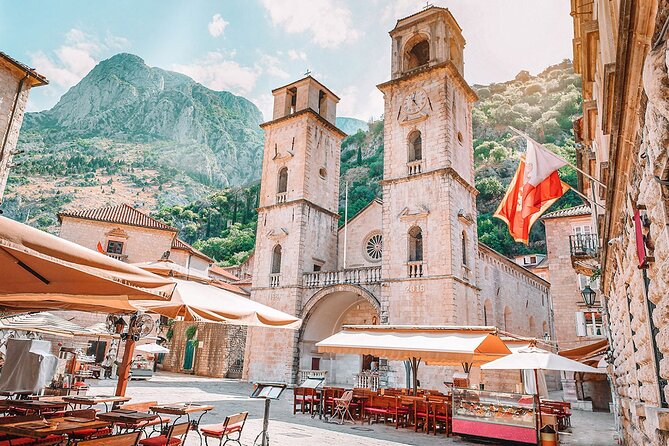
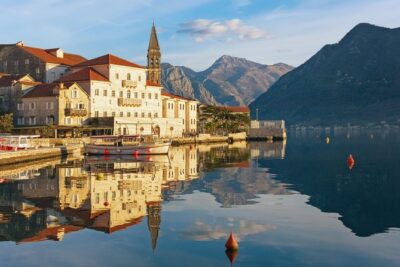
Then you roll toward Montenegro and the UNESCO old town of Kotor. Kotor’s medieval street plan looks chaotic at first. The tour explains why it was designed that way: it was meant to confuse intruders trying to plunder the town. That means every crooked lane suddenly feels purposeful.
You’ll wander the maze of narrow cobblestone streets and see small plaques on old buildings with dates and original uses. The walk includes a visit to Saint Luke’s church, a locally significant spot tied to unity. After that, you get afternoon time to explore on your own. That’s where Kotor really pays off, because you can follow your curiosity without feeling like you’re always “on” with the guide.
More days handed to a private guide
- Mostar and Kravice Waterfalls Tour from Dubrovnik (Semi-Private)
★ 5.0 · 3,125 reviews - Dubrovnik: Blue & Green Caves Private Boat Tour with Drinks
★ 4.7 · 814 reviews - Dubrovnik Private Speedboat Tour to Elaphite Islands with Drinks
★ 5.0 · 660 reviews - Private Tour: Montenegro Day Trip from Dubrovnik
★ 4.5 · 495 reviews - Tour The Game of Thrones – Private Walking Tour
★ 5.0 · 464 reviews
Montenegro Coast to Shkodër: Budva Old Town, St. Stefan Views, and Rozafa
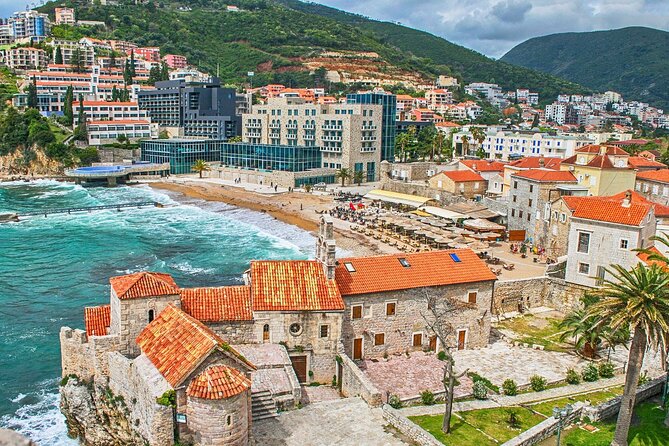
Budva brings a different flavor—beach energy and a clear split between old and new parts. You get a short stop in Budva’s New area, then you shift to Old Budva for key sights like St. Ivan Church and the medieval character of the historic center. It’s a quick hit, but it’s enough to understand why people come to this coast and why the old town still matters.
Near the road on your way toward Albania, you pause by Sveti Stefan. You can’t visit the island (it’s now an exclusive resort), but you can still take in the sight from the coast. This is a good photo stop and a quick mental break between longer driving sections.
Then you cross into Shkodër, in northern Albania. The tour connects Shkodër’s long habitation history with its architecture influenced by Venetian style. A key stop is Rozafa castle, where you get scenery of the lake and the rivers meeting as they flow toward the Adriatic. If you like viewpoints, this is one of your payoff moments on the day.
Shkodër also gives you a craft stop that doesn’t feel like a souvenir trap: a visit to a Venice Art Mask Factory, where you see handmade papier-mâché masks inspired by Venetian carnival traditions. The key detail is that each mask is painted and decorated entirely by hand. Even if you don’t buy, you’ll likely come away appreciating the time and skill behind it.
Mrizi i Zanave to Prizren: Slow Food, Sinan Pasha, and Fortress Panoramas
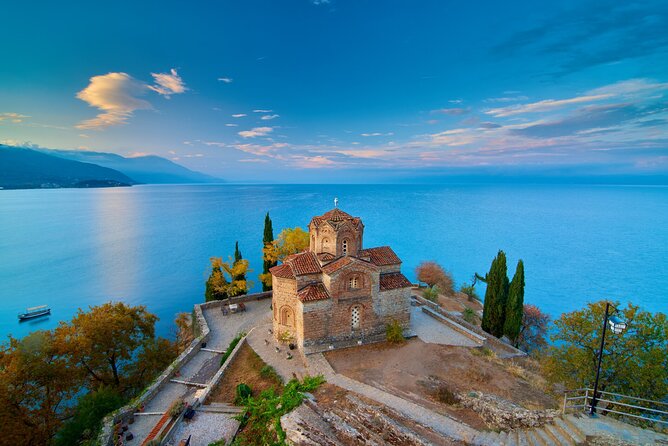
One of the more memorable day starts is Mrizi i Zanave (Agroturizëm). This is slow-food style agro-tourism, and the tour includes a farm tour plus the background story of how the business created jobs for a large surrounding community. You’ll see how the farm collects, elaborates, and preserves regional bio fresh local products, plus how older communist buildings got adapted for storage.
You also get time that’s genuinely useful: you can enjoy traditional lunch or buy fresh produce from the farm. Lunch itself is not listed as included, but the free time is built into the schedule, so you’re not forced into a rushed meal. The value for you is the authenticity—this is about food culture and local production, not just eating.
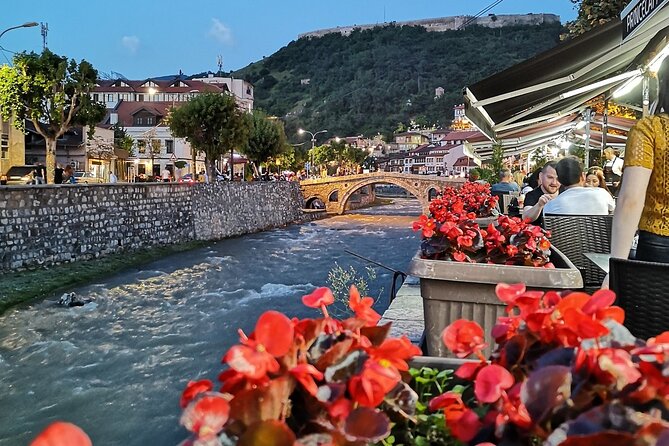
In the afternoon you go to Prizren, often described as Kosovo’s cultural capital. The tour frames Prizren as a crossroads—Illyrian roots plus Byzantine and Ottoman influences. Walking with the guide gives you an immediate sense of why the city’s architecture and religious tolerance feel visible in daily life.
You’ll visit Sinan Pasha Mosque, famous for arabesque color and pattern work. Then you get Kalaja Fortress for fortress views over the old town. Even with only about an hour, you feel the city’s layout from above, and it makes your later wandering feel easier.
Prizren’s river and bridges run through the experience, literally under and across the streets. The tour’s structure helps you notice those details instead of missing them because you’re trying to get oriented from scratch.
Gjakova Bazaar, Decan Monastery, and Rahovec Valley Vineyards
Day six shifts from street-level town wandering to deeper, place-specific culture.
First is Gjakova, known for the oldest and largest bazaar in Kosovo. Even though the bazaar took damage during the Balkan wars and Kosovo war, it has been rebuilt. The key practical benefit for you: you’ll be able to browse and eat without the tour feeling like a history museum. Look for traditional handmade crafts and artisan workshops where you can watch crafts being made using techniques passed down for centuries.
Next stop is the Monastery of Decan. This one stands out because Orthodox monks still inhabit it and make fresh organic food there, including cheeses. The UNESCO angle comes from the frescoes and the depiction of 14th-century life, plus the Palaeologan renaissance that changed Byzantine painting styles. It’s the kind of site where the guided context makes the visuals more meaningful.
Then you drive toward Rahovec Valley, the viticulture area often described as Kosovo’s wine capital. Here the tour emphasizes a long cultivation story—grapes cultivated since Illyrian times—and the specific altitude range for vineyards. The visit isn’t presented as a tasting tour, but it sets you up to understand why wines from a valley like this can taste different from lower, flatter regions. There’s also a wine festival in September if you happen to time your trip.
Krujë: Medieval Bazaar Stalls to a Castle Built for Resistance
Krujë is your big Albanian history day.
The tour starts in Krujë with a look at the city as a symbol of Albanian resistance against Ottoman expansion in the 1400s. You then walk through the Krujë Medieval Old Bazaar, which the tour describes as one of the biggest and oldest in the Balkans. For you, it’s also the most practical place to shop for souvenirs in Albania—from typical items to more unique handmade pieces like carpets and jewelry.
Then comes Kruja Castle. The guide takes you through some hidden paths used by locals to leave the castle without being noticed during enemy sieges. Even if you’ve read about resistance movements before, this is the kind of stop where your brain connects “strategy” to “terrain.”
You get additional free time after the guided parts, with room for a traditional lunch and more wandering. That reset is helpful, because by day seven your feet have likely logged plenty of uneven stone.
Tirana Finale with Byrek, Markets, and Grape Raki
Ending in Tirana is a smart payoff. You meet a local companion for a food-focused city experience, and the guidance pushes you to do the most Tirana thing possible: eat, wander, and let markets lead.
You’ll start with byrek tastings at a small local place that only locals know how to find. Byrek comes in different fillings—cheese, meat, spinach, and other options—so you can sample the idea rather than betting everything on one kind. From there, the tour moves to Çam bazaar, where you can buy everyday goods from clothing to kitchen equipment, and you can bargain with sellers for a better price.
Then you shift into neighborhood wandering and Pazari i Ri, a lively market known for second-hand goods. If you like hunting for affordable, practical items, this is your moment. The tour then continues to the New Bazaar for a traditional Albanian meal and finishes with tasting Albanian grape raki. This is more than a food stop: it’s a social ending, a last conversation with the region’s flavors before you go home.
Price and Logistics: What $3,433.11 Buys You (and What You’ll Pay Extra)
At $3,433.11 per person for an approx. 8-day trip, you’re paying for a guided cross-country route, not a DIY itinerary. The main cost drivers are the transportation, the professional tour leader, and the hotel stay setup (3-star accommodation calculated based on double/twin/triple/quad room occupancy) plus breakfast included for seven mornings.
What you get included:
- BB for all overnights (so mornings are handled)
- Transport by the company and a professional tour leader
- Tourist taxes, road taxes, and petrol
- Hotel pickup within Dubrovnik Town (with the earlier car-access note)
- Sarajevo coffee or tea (one Ottoman-style drink on Day 2)
- Several admissions included, like Bišćevića Kuća, Latin Bridge-related stop, and key church/fortress items
- The Day 8 Tirana food tour that includes a traditional meal and grape raki
What you should budget separately:
- Lunches, dinners, drinks, and snacks (not included)
- Souvenirs and personal spending
The practical takeaway: this price makes sense if you want guidance across borders and multiple countries without having to manage the day-to-day logistics, and if you’ll actually use the included breakfasts and guided admissions. If you’re the type who loves freewheeling and only wants a driver for major legs, you might prefer something less packaged.
Who Should Book This Dubrovnik to Tirana Route
This tour is best for you if:
- You like guided context for big history moments, not just photos
- You want a structured route across Mostar, Sarajevo, Kotor, Prizren, Krujë, and Tirana
- You’re comfortable with moderate physical activity (the tour notes uneven terrain on some days)
- You prefer a smaller group feel (up to 10 travelers)
It may not be the right fit if you:
- Hate long car days and want everything to be walk-only
- Want every meal included (lunches/dinners aren’t part of the package)
- Need step-free or fully accessible routing everywhere (moderate fitness is requested, and uneven terrain is part of the experience)
Should You Book This Tour?
I’d book it if you want a Balkan trip that’s organized enough to move smoothly across borders, but flexible enough that you still get time to wander—especially in places like Kotor and Prizren. The Tirana finale also sells me on the whole thing, because it ends with food and markets, not just a hotel drop.
I wouldn’t book it if your ideal vacation is slow and quiet with minimal driving. This is a “see a lot, learn a lot, eat a lot” format. If that sounds like your speed, this route gives you strong value for money and a real sense of how cultures overlap across this part of the Adriatic.
FAQ
What is the tour duration?
It’s listed as approximately 8 days.
When does pickup happen in Dubrovnik?
Pickup starts at 7:00am from your hotel in Dubrovnik Town.
Is this a private tour?
It’s semi-private, with a maximum of 10 travelers.
What languages is the tour offered in?
The tour is offered in English.
What kind of accommodation is included?
The price is calculated based on 3 stars hotels with breakfast included, using double/twin/triple/quad room occupancy.
Does the tour include meals?
Breakfast is included for all seven mornings. Lunches, dinners, drinks, and snacks are not included. Tirana Day 8 includes a food tour with a traditional meal and grape raki.
Which admissions are included?
Included items mentioned include Bišćevića Kuća (Biscevic House), Latin Bridge-related stop elements, Saint Ivan Church, Sinan Pasha Mosque, and Kruja Castle, plus the Tirana food tour.
Is there any physical requirement?
The tour requests travelers have a moderate physical fitness level, and Sarajevo includes walking on uneven terrain.
Is the tour refundable if plans change?
No. This experience is non-refundable and cannot be changed for any reason.
More Tours in Dubrovnik
More Private Days in Dubrovnik
More Tour Reviews in Dubrovnik
Fresh on the Dubrovnik shortlist


Dubrovnik Private Tours, compared.
 ★ 4.5Private Tour: Montenegro Day Trip from DubrovnikFrom $296495 reviews
 ★ 5.0Tour The Game of Thrones – Private Walking TourFrom $185464 reviews
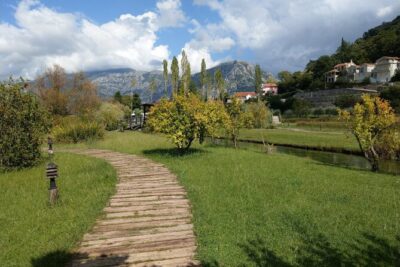 ★ 5.0Montenegro Private Full Day Tour from DubrovnikFrom $601376 reviews
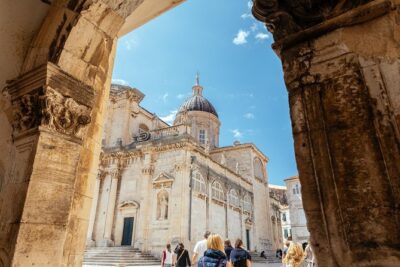 ★ 5.0PRIVATE TOUR: Highlights & Hidden Gems of Dubrovnik With LocalsFrom $104249 reviews
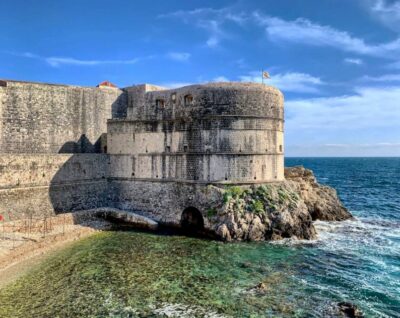 ★ 5.0Old Town & City Walls Private Walking TourFrom $303206 reviews
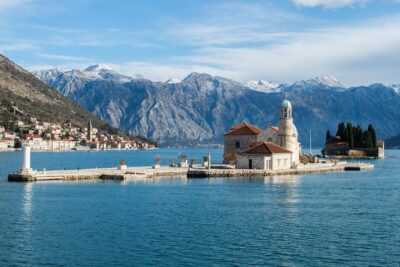 ★ 5.0Montenegro Private Tour from DubrovnikFrom $806193 reviews
 ★ 5.0Mostar, Pocitelj and Kravice Waterfalls Private Tour from DubrovnikFrom $653179 reviews
 ★ 5.0Private full day Montenegro tour from Dubrovnik by Doria ltd.From $338121 reviews
Browse the lists this tour appears in