
Reviewed · CAVTAT TOURS
Cavtat: Shell Museum Entry Ticket with Guided Tour Option
Shells can feel like something you’d only notice at the beach. Here, they’re the ticket to a whole mini world—mollusks, natural history, and even shell stories from art and royalty. I especially loved the scale of the collection (think 3,000 seashells) and how useful the included audio guide is for turning “pretty shells” into actual learning.
Two big reasons I’d go: the museum’s displays help you connect shell shapes to marine life, and the presentation mixes science with culture so it doesn’t turn into a lecture-only stop. One consideration: this isn’t wheelchair-friendly, so plan around stairs and accessibility limits when you choose your timing.
In This Review
- Key things I’d focus on before you go
- Why Cavtat’s Shell Museum feels more special than it sounds
- Ticket value: $8 for entry, screens, and real guidance
- Where to meet: 50 meters up the stairs from St. Nicolas Church
- What the museum experience feels like once you’re inside
- A practical note on pacing
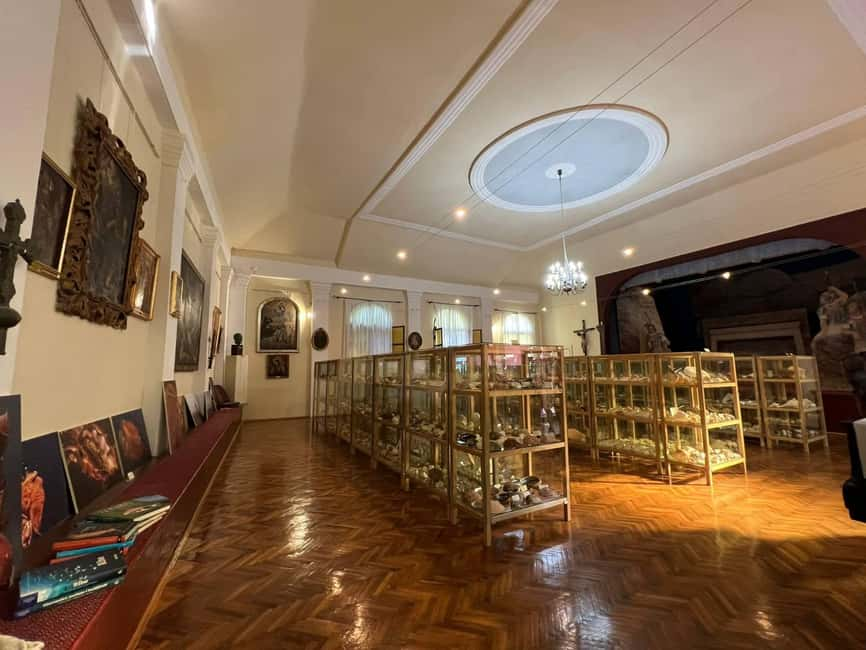
- The 3,000 seashell display: your world-tour moment
- Learning highlights: natural history, science, and how shells were used
- Shells in art and architecture: why the cultural layer matters
- Audio guide vs. guided tour: choose the style that fits your day
- Family visits: what you can expect for kids
- Important rules that affect comfort
- Practical planning tips for your Cavtat day
- Who should book this Shell Museum ticket
- Should you book the Shell Museum in Cavtat?
Key things I’d focus on before you go
- 3,000 seashells from around the world, arranged so you can keep spotting patterns
- Natural history + scientific significance that explains what you’re looking at
- Shells in art, architecture, and royalty, including mythology and ancient shell currencies
- Skip the ticket line so you can spend more time inside looking
- Audio guide in multiple languages to fit your pace (English, Croatian, German, Italian, French, Russian, Spanish)
- Family add-ons exist, but the interactive kids experience and shell gift are optional
More slow hours down the coast in Cavtat
- Cavtat: Romantic Sunset Cruise with Unlimited Drinks★ 4.5 · 171 reviews
- Cavtat: ‘Pomalo’ Guided Sea Kayaking Tour★ 5.0 · 41 reviews
- Cavtat: Banac Gallery Entrance & Sparkling Wine★ 4.9 · 19 reviews
- Cavtat: Self-Drive Boat Rental with 5 hp Engine (1–6 People)★ 4.7 · 18 reviews
Why Cavtat’s Shell Museum feels more special than it sounds
If you like hands-on travel—where you’re looking closely and learning something small but real—this kind of museum works well. The Shell Museum in Cavtat takes a subject most people treat as beach décor and turns it into a clear story: what shells are, how they connect to marine life, and why humans have used them for centuries. It’s not just about collecting. It’s about meaning.
I also like the pacing. Even if you choose the guided tour option, the experience is easy to manage because you’re moving through the collection at museum speed, not marathon tour speed. And if you don’t want a guide directing you, the included audio guide can guide you through the exhibits with less pressure.
The best part is that the museum doesn’t force you into one mindset. You can be the nature-life observer, the science fan, or the art-history browser—and the shell world still makes sense in all three modes.
Ticket value: $8 for entry, screens, and real guidance
The price is about $8 per person, and for that you get standard entry to the museum and gallery plus display screens with fun facts about seashells. That matters because the museum is more enjoyable when you’re not just staring. The screens give you quick context as you walk, so the displays click faster.
You also have the option to add a guided tour experience. That’s usually where the learning ramps up, especially if you want someone to explain the “why” behind shell forms and materials. But even without the guided add-on, the museum has an educational backbone through its informational screens.
And then there’s the audio guide. The audio guide is included, which changes the whole value equation. Based on the advice you’ll hear from people who’ve used it, this is the best way to keep your pace while still learning. If you go at a calm pace, you can stop, replay a section in your chosen language, and keep walking only when you feel ready.
Where to meet: 50 meters up the stairs from St. Nicolas Church
You’ll meet at a spot 50 meters up the stairs from St. Nicolas Church. The short walk helps you orient quickly. You’re not hunting across the entire old town, and you’re not stuck inside a complex transportation maze.
Plan to arrive a few minutes early so you can get your bearings before the visit starts. This kind of small museum experience goes best when you’re not rushing, because you’ll want time to actually look at the shells, not just pass by them.
Once you’re there, you can take advantage of the skip-the-ticket-line perk. That’s not just convenience—it’s more time with the collection, which is the main event.
What the museum experience feels like once you’re inside
At the Shell Museum, you’ll be walking through a structured collection built around the idea that shells are both nature and human culture. The exhibits focus on:
- Natural history and the marine life connection
- The scientific significance of shells
- Artistic uses of shells through time
You’ll also see shells represented as symbols and objects—things like shells in art, architecture, and royal settings. That cultural layer is a big part of why this museum isn’t “only” for hardcore nature lovers.
As you move through the museum, keep an eye out for the way the information is presented. The display screens are there to help you connect visuals to facts without slowing you down too much. It’s one of those setups where you can enjoy it even if you’re not sure what you’re looking for at first.
A few more Cavtat trips to round out the shortlist
- Cavtat: Ticket for Banac Gallery with Van Gogh’s-Sunflowers
★ 5.0 · 4 reviews
A practical note on pacing
Spend time at the displays that show you “before and after”—the shell itself, then the explanation of what it represents. If you just skim, you’ll miss the museum’s clever trick: turning patterns (size, shape, spirals, textures) into meaning.
The 3,000 seashell display: your world-tour moment
One of the strongest reasons to visit is the collection size—around 3,000 different seashells from all around the world. That number can sound like marketing, but in practice it creates something you can feel: you start comparing forms quickly, and you notice that shells aren’t one category. They’re a huge range of designs shaped by biology and environment.
What I like about displays at this scale is the built-in “repeat look” effect. You’ll spot one shell type, then later see a variation and understand it better because you’ve already learned the basics earlier. That’s why a guided tour or audio guide helps—those explanations give you something to compare against.
If you prefer a low-effort approach, use the museum screens to get the basics, then let the shells do the work. If you’re more of a detail person, slow down at the sections that connect shells to mythology, currency, and cultural use. Those are often the exhibits that make the collection feel human, not just scientific.
Learning highlights: natural history, science, and how shells were used
This museum is built around the idea that shells have multiple identities. On the science side, you’ll be learning about the natural history of shells and their scientific significance—especially how they connect to mollusks and ocean life. On the culture side, you’ll learn about how shells have been used in art and architecture and how they appear in stories tied to royalty and mythology.
You’ll also run into fascinating examples like ancient shell currencies. That’s the kind of exhibit detail that makes the subject feel real and surprising. It’s also a reminder that shells weren’t just collectible objects. They were part of daily life, trade, and symbolism in ways we don’t usually think about when we’re picturing a souvenir seashell on a shelf.
The museum’s interactive angle also shows up in how the information is structured for learning. Even if you don’t choose the guided tour, you’re still guided through the themes with the help of the screens and audio guide.
Shells in art and architecture: why the cultural layer matters
A shell collection can easily become a wall of specimens. This one adds perspective by showing shells in art and architecture, and by referencing royal associations. That matters because it answers a basic travel question: why did people care so much?
Once you see shells treated as design elements—something that shaped appearances in human-made spaces—you start to connect the dots between nature’s shapes and human creativity. The museum makes that connection without requiring you to be an art expert. You just need curiosity.
If you’re the kind of person who enjoys museums that connect to the surrounding region, you’ll likely like the way the museum turns the subject into broader European and human storylines—royalty, myth, and cultural use—rather than keeping it stuck in pure biology.
Audio guide vs. guided tour: choose the style that fits your day
You have two main learning paths:
1) Audio guide (included): You follow along at your pace. This is great when you want to pause, look closely, and then move on when you’re ready.
2) Guided tour option (extra): This adds a host-led explanation and a more structured flow.
From the people who recommend this museum most strongly, the audio guide option tends to be the sweet spot because it supports learning while keeping control in your hands. You can spend more time on the shells that grab you and less time on the ones that don’t.
If you’re visiting with kids (and want the museum to feel like a mission rather than a lecture), guided options or kids add-ons can help. But remember: the specific interactive kids experience and the real shell gift are not included in the standard ticket, so you’d need to choose that separately.
My practical advice: if you want freedom and don’t want group timing, pick the audio guide. If you like questions and a live person to steer your attention to the most important details, choose the guided tour experience.
Family visits: what you can expect for kids
This experience is described as family-friendly, with an interactive kids’ component available. The key detail: the interactive kids’ experience and the real shell gift for children are not included in the standard entry ticket, so you’ll need to select them if that’s part of your plan.
Even without the kids add-on, the museum’s setup with display screens and fun facts tends to work well for younger visitors who enjoy spotting differences—spirals, textures, and patterns. The museum is also the kind of place where kids can stay engaged longer than you might expect, because there are thousands of objects to compare visually.
Just note the museum rules: no food and drinks, and no swimwear. That helps keep the visit clean and focused on the exhibits, but it also means you’ll want to plan breaks before or after.
Important rules that affect comfort
A few straightforward restrictions shape how you should show up:
- No pets
- No food and drinks
- No swimwear
And there’s a major practical limit:
- Not suitable for wheelchair users
If mobility is a factor, plan your visit accordingly. This is one of those museums where stairs and close viewing points can matter. If you’re traveling with someone who needs step-free access, you may want to rethink your timing or choose a different activity.
Practical planning tips for your Cavtat day
This is listed as 1 day, which matches the reality: you’re spending your time inside the museum and then moving on to the rest of Cavtat. With a short, focused museum like this, it can slot neatly between seaside strolls or other old-town stops.
Also, because there’s an audio guide included in several languages, you don’t have to worry about “missing the meaning” if your language skills are modest. You can still get the full experience structure, and you’ll know what you’re looking at rather than relying on guesswork.
If you’re the type who likes to learn without getting stuck in dense reading, this is one of the better museum formats. You get screens with fun facts, plus audio support—so you’re never stuck staring at labels alone.
Who should book this Shell Museum ticket
I think you’ll enjoy it most if you fall into one (or more) of these categories:
- You like nature topics, especially marine life and mollusks
- You enjoy museums where science connects to art and culture
- You want a calm, look-closely experience without complicated planning
- You’re traveling with family and want a fun learning stop (especially if you add the kids option)
You might skip or reconsider if shells don’t interest you at all, or if you strongly prefer outdoor scenery and hands-on exploration over indoor collections. And if stairs and mobility access are barriers, the wheelchair limitation is a deal-breaker.
Should you book the Shell Museum in Cavtat?
Yes, if you want a short stop that teaches you something real and surprising for a small price. For $8, you get entry plus informational screens and an included audio guide in multiple languages. That’s strong value because you’re not paying extra just to understand what you’re seeing.
Book it if you like the idea of seeing shells explained from both sides—marine science and human culture (art, architecture, mythology, even shell currencies). And book it if you enjoy going at your own pace; the audio guide option is the kind of add-on that actually changes the experience, not just the paperwork.
Skip it if accessibility is an issue for your group, or if you know you’ll feel bored in a detail-heavy indoor collection. In that case, Cavtat has plenty of other ways to spend your time.
More Tours in Cavtat



More Slow Days in Cavtat




More Tour Reviews in Cavtat

Fresh on the Cavtat shortlist





Cavtat Tours, compared.
 ★ 4.8From Dubrovnik/Cavtat: Blue Cave, Sunj Beach Speed Boat TourFrom $71502 reviews
 ★ 4.6From Cavtat: Bosnia, Herzegovina, and the Old Bridge TourFrom $88265 reviews
 ★ 4.5Cavtat: Romantic Sunset Cruise with Unlimited DrinksFrom $23171 reviews
 ★ 5.0‘Pomalo’ Guided Sea Kayaking Tour in CavtatFrom $48160 reviews
 ★ 4.8From Dubrovnik: Half-Day Wine Tasting and Cavtat City TourFrom $130112 reviews
 ★ 5.0From Cavtat: Konavle Valley Off-Road Jeep Safari with LunchFrom $10084 reviews
 ★ 5.0Speed Boat Private Tour From Cavtat/DubrovnikFrom $30173 reviews
 ★ 5.0Konavle Jeep Safari Tour from Cavtat with LunchFrom $10768 reviews
Browse the lists this tour appears in