
Reviewed · WALKING TOURS
A walk through life in communist Yugoslavia
Dubrovnik usually sells marble views and sea air, but this detour tells a sharper story. The Red History Museum uses room sets, artifacts, and sound to show everyday life in communist Yugoslavia in a way that’s easy to follow.
I especially like the interactive setup in a compact space, so you don’t need half a day to get the point. Another standout is the museum’s focus on the political machinery—secret agencies, the watchful state, and how Yugoslavia fit into the Non-Aligned world. The one drawback: the later years of the system’s breakdown may not feel as heavily featured as you’d hope.
In This Review
- Key Highlights You’ll Actually Notice
- Red History Museum in Dubrovnik: A Small Stop With Big Questions
- What You’re Paying $211 For (And Whether It’s Fair Value)
- Prebooked, Mobile Ticket Entry That Keeps Your Day on Track
- Inside the 300 Square Meters: How the Museum’s Layout Changes the Feeling
- Room Sets and Everyday Objects: What Daily Life Under Communism Looked Like
- Secret Police, Secret Agencies, and Totalitarian Control
- Art, Design, and Politics: Posters as a Tool, Not Decoration
- Non-Aligned Yugoslavia: The Global Angle That Makes the Story Make Sense
- The Story’s End: What’s Covered and What Might Feel Light
- Timing in Dubrovnik: How Long to Plan for This Visit
- Who Should Book the Red History Museum (And Who Might Skip It)
- Should You Book It?
- FAQ
- Where is the Red History Museum meeting point?
- How long does the visit take?
- What’s included with the ticket?
- Do I need to buy a ticket on the day?
- Can I cancel for a full refund?
- Are service animals allowed?
- Is there a limit on group size?
Key Highlights You’ll Actually Notice
- 300 square meters of “time-capsule” exhibits that move at a good pace
- Room sets and everyday objects that make daily life under communism feel tangible
- Secret police and secret agencies explained with clear context
- Art, design, and politics shown as part of how control worked
- Non-Aligned history placed alongside internal politics and surveillance
- Prebooked entry to help you avoid ticket-counter friction
Dubrovnik on foot, a few more ways
- Dubrovnik: Old Town Walking Tour★ 4.8 · 5,174 reviews
- Dubrovnik Discovery Old Town Walking Tour★ 5.0 · 4,458 reviews
- Dubrovnik: Game of Thrones Walking Tour★ 5.0 · 1,732 reviews
- Dubrovnik Old Town History Walking Tour★ 5.0 · 1,684 reviews
Red History Museum in Dubrovnik: A Small Stop With Big Questions
If you want communist history that lives in your head—not just in a textbook—this museum is worth your time. It’s built around everyday life in Yugoslavia under communist rule, with the kind of display that asks you to pay attention to objects, slogans, and daily routines. The setting is Dubrovnik, but the story stretches across the 20th century.
I like how the museum doesn’t treat politics as an abstract theme. It ties art, design, and public messaging to how people lived, worked, and thought. You’ll also get a clear sense of what totalitarian society meant in practice, including the secret police angle.
The experience is compact, so it feels doable even if you’re also trying to cover Dubrovnik’s Old Town highlights. This is not a slow museum marathon. It’s more like walking through a sequence of rooms that guide your understanding.
What You’re Paying $211 For (And Whether It’s Fair Value)
The price is $211 and it’s not a “cheap add-on.” So I look at what you’re buying: a timed, prebooked museum visit that’s meant to be interactive and easy to access on your chosen day.
In a city where you might be juggling crowds and tight sightseeing windows, the value isn’t just the museum content—it’s the guaranteed admission. You’re also saving time you’d otherwise spend at ticket counters, which matters when you’re planning a full day.
Is it worth it? If you want more than a quick glance and you’re curious about how communism shaped daily life in the region, you’ll likely feel it’s money well spent. If you’re only interested in broad historical dates and prefer large national museums, you might find the price a tough pill.
Prebooked, Mobile Ticket Entry That Keeps Your Day on Track
You don’t have to worry about where to stand or whether you’ll arrive in time to buy something. With prepaid admission and a mobile ticket, you secure your visit for your ideal day before you get there.
That’s a practical win in Dubrovnik, where time can disappear fast if you hit a line at the wrong moment. I also like that the tour ends back at the meeting point, so you’re not sent off into an unknown “follow the group” situation.
The museum is near public transportation too, which helps if you’re staying outside the tight center. In short: this is one of those experiences designed to fit into real travel logistics.
Inside the 300 Square Meters: How the Museum’s Layout Changes the Feeling
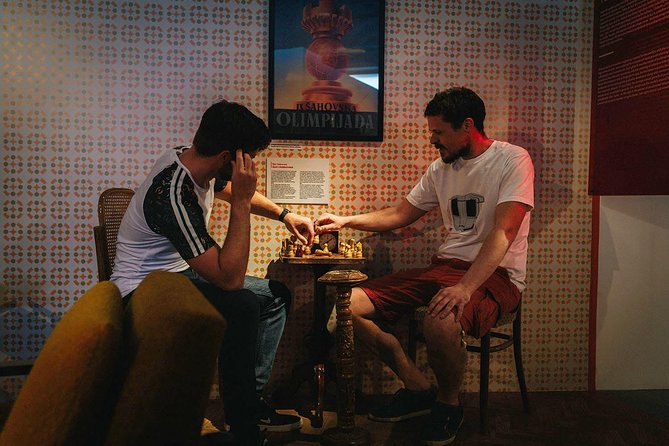
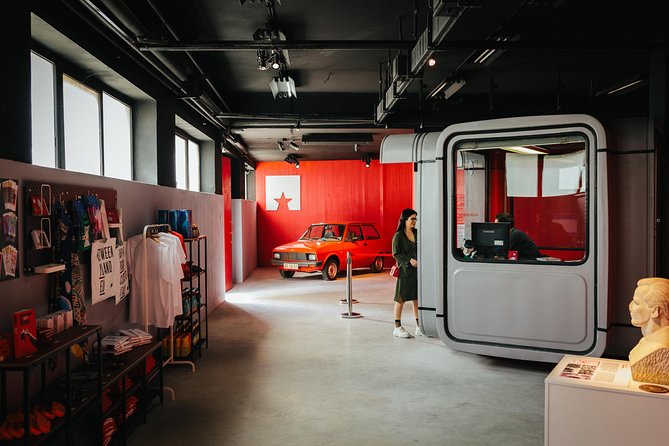
The Red History Museum is about 300 square meters, so you get a focused experience rather than a sprawling maze. The setup uses new and old technologies, plus multiple ways of presenting information, which helps you stay engaged.
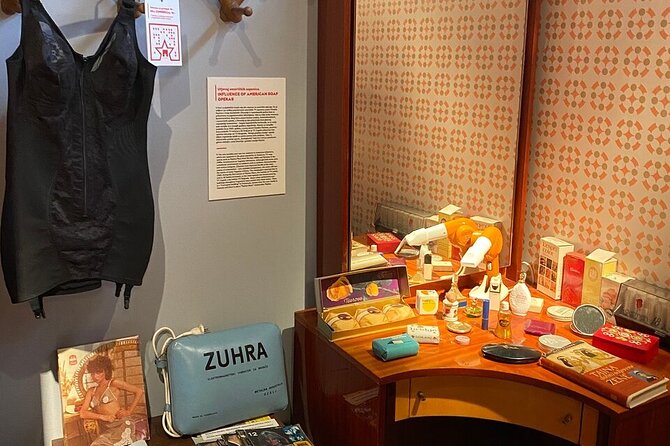
Think of it as a walking timeline with room-based storytelling. You’re not only reading labels; you’re seeing scenes and artifacts that point at how people experienced the communist state day to day. That “room set” approach matters because it moves history from your brain into your senses.
The fact that it’s compact also affects pacing. You can finish within the stated range of about 50 minutes to 1 hour 35 minutes, depending on how slowly you read and how much you take in. It’s long enough to learn, short enough that you won’t feel trapped.
- Blue Cave Small-Group Boat Tour from Dubrovnik
★ 5.0 · 9,360 reviews - Full-Day Dubrovnik Elaphite Islands Cruise with Lunch and Drinks
★ 5.0 · 8,823 reviews - Dubrovnik: Epic Game of Thrones Tour + Lokrum & Saver Option
★ 4.9 · 5,995 reviews - Dubrovnik: Elaphiti Islands Full-Day Cruise with Lunch
★ 5.0 · 5,938 reviews - Dubrovnik: The Original Game of Thrones Tour & Lokrum Option
★ 4.8 · 5,064 reviews
Room Sets and Everyday Objects: What Daily Life Under Communism Looked Like
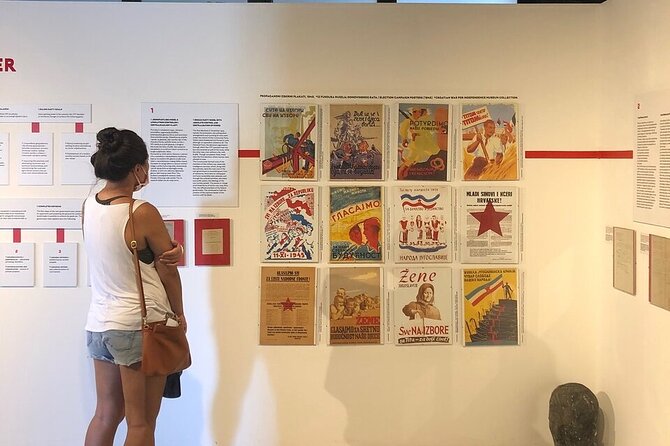
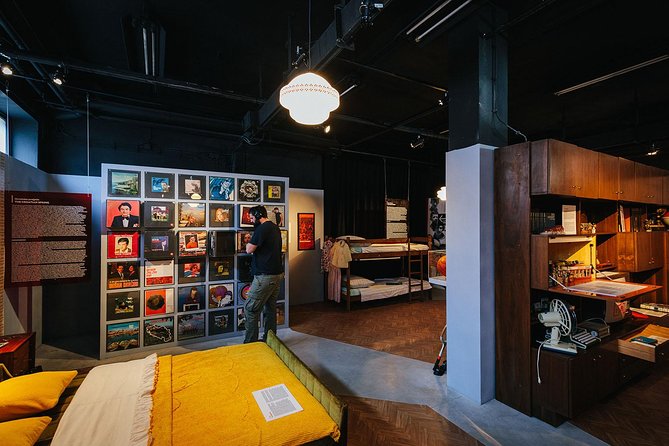
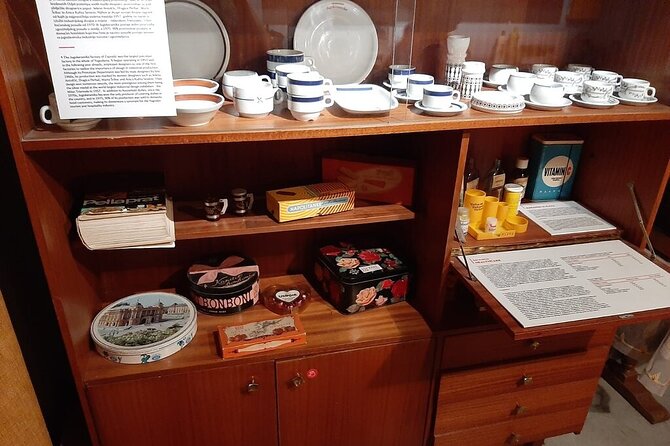
One of the museum’s strongest points is how it handles “ordinary life.” It doesn’t only talk about leaders and slogans. It shows everyday items and lived environments—things you’d normally ignore—so you can understand how the system showed up in real routines.
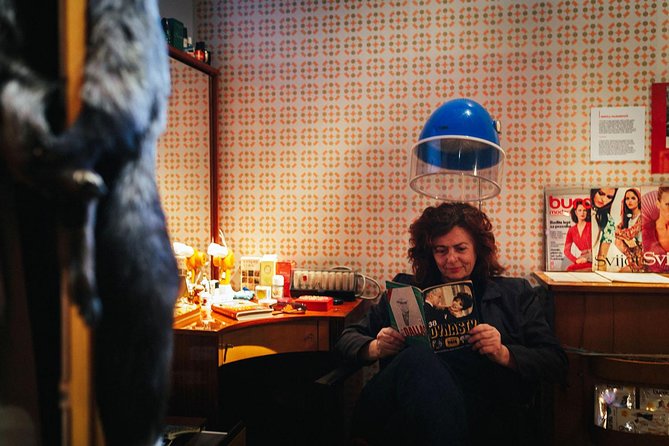
You’ll walk through staged spaces built like a time capsule. The goal is for you to feel the texture of daily life: how spaces looked, how public messaging appeared, and how people navigated the world around them.
This kind of presentation is valuable because it hits a gap many history visits miss. Dates tell you what happened. Room sets and everyday artifacts help you understand how it felt. When history becomes physical, it also becomes easier to remember.
Secret Police, Secret Agencies, and Totalitarian Control
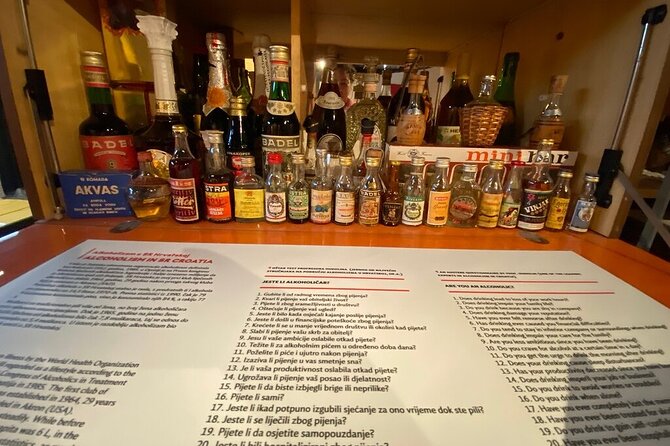
The museum doesn’t shy away from the more uncomfortable parts of Yugoslav communist life. Expect exhibits dealing with the secret police and secret agencies, along with the broader concept of living under watch.
This is one reason the museum works so well as a historical lesson. Instead of turning surveillance into vague “oppression,” it connects control to systems—politics, enforcement, and the pressure people lived with.
The exhibits also include explanation of totalitarian society in plain terms, so you’re not left trying to infer meanings from harsh wording alone. If you’re the type who wants context, you’ll likely appreciate that the story is structured rather than randomly shocking.
Art, Design, and Politics: Posters as a Tool, Not Decoration
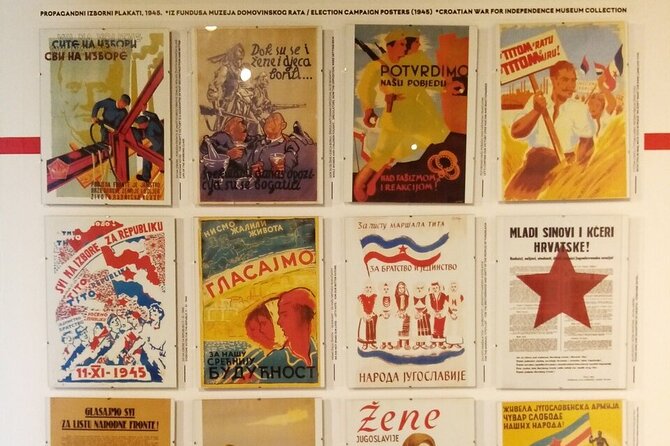
Another standout is the museum’s attention to art and design—how it was used as part of political life. You’ll see how visual culture connected to ideology, messaging, and public identity.
This section is more than “look at old stuff.” It helps you understand why governments invested in aesthetics. Visuals can persuade, normalize, and create a sense that the state is everywhere—even when the mechanisms aren’t visible.
In a region like Dubrovnik, it’s also a useful contrast. You can compare the aesthetics of public messaging with the historic architecture and cultural identity you see outside the museum. It makes the experience feel less like isolated facts and more like a lens you can apply to what you’re seeing around you.
Non-Aligned Yugoslavia: The Global Angle That Makes the Story Make Sense
Yugoslavia wasn’t just inward-facing. The museum includes Non-Aligned history as part of the timeline, showing how the country fit into Cold War pressures while still projecting its own political identity.
That matters because without this angle, communist Yugoslavia can look like a simple story of one kind of control. The Non-Aligned element adds a second layer: Yugoslavia’s position between major powers and its attempt to shape its own path.
I like that the museum frames this as part of the same lived reality. It’s not a separate lecture stuck in the corner. It’s tied back to politics, media, and how the state positioned itself.
The Story’s End: What’s Covered and What Might Feel Light
The exhibits chart communist history from beginning to end, but one review-shaped expectation is worth flagging. You might feel that the very last chapter—the breakdown of the system—could use more space.
That doesn’t mean the museum avoids the ending. It means you could walk away wishing the collapse years were more dramatically presented or more strongly emphasized. If you’re most interested in the final stretch of the story, plan to spend a little extra time in the last rooms.
For me, the balance feels like the museum wants you to understand daily life and the control mechanisms first, then land on the end. If you’re okay with that approach, you’ll probably leave satisfied. If you came specifically for the collapse details, set your expectations accordingly.
Timing in Dubrovnik: How Long to Plan for This Visit
You’re looking at 50 minutes to 1 hour 35 minutes. That range is large because it depends on how much you read, how interactive you get, and whether you linger in the room sets.
I recommend treating it like a focused stop, not a rushed one. If you’re visiting on a day when you also want to hit multiple Old Town sights, aim for an earlier slot in the day when you’re still fresh. That way, you can absorb the heavier themes without feeling mentally worn out.
Also, because it’s small at 300 square meters, you can adjust on the fly. If you feel you’re keeping pace, you’re fine. If you’re taking your time, you’ll still likely finish comfortably within that upper limit.
Who Should Book the Red History Museum (And Who Might Skip It)
This museum is a great fit if you:
- want history explained through everyday life and objects
- are interested in how political power shows up in daily routines
- like interactive exhibits more than lecture-style museums
- enjoy context, including the Non-Aligned angle and the surveillance side
You might hesitate if you:
- only want a quick overview of communist Yugoslavia
- prefer giant museums with broader collections and more space
- are specifically chasing the most detailed account of the system’s final breakdown
In other words, book it when you want understanding through scenes and artifacts—not when you want a massive reference library.
Should You Book It?
I’d book the Red History Museum if you’re the type who learns best when history becomes concrete. The price is steep, but the experience is built to justify it: prebooked entry, an interactive format, and a story told through room sets and real artifacts.
If you’re curious about totalitarian control, secret police, and how public art and politics shaped life, this is the kind of museum that sticks with you. Just go in knowing it’s compact and that the final collapse period may feel a bit lighter than expected.
If that trade-off sounds okay, you’ll probably feel you got real value for your time in Dubrovnik.
FAQ
Where is the Red History Museum meeting point?
The meeting point is Red History Museum, Ul. Svetog Križa 3, 20000 Dubrovnik, Croatia.
How long does the visit take?
The experience duration is about 50 minutes to 1 hour 35 minutes.
What’s included with the ticket?
Your admission ticket is included, and you’ll enter the interactive Red History Museum.
Do I need to buy a ticket on the day?
No. You prebook admission and you’ll use a mobile ticket for entry.
Can I cancel for a full refund?
Yes, you can cancel for a full refund up to 24 hours in advance of the experience start time.
Are service animals allowed?
Yes, service animals are allowed.
Is there a limit on group size?
Yes. The experience has a maximum of 200 travelers.
More Walking Tours in Dubrovnik





More Tour Reviews in Dubrovnik




Fresh on the Dubrovnik shortlist





Walking Tours, compared.
 ★ 4.8Old Town Walking TourFrom $235,174 reviews
 ★ 5.0Dubrovnik Discovery Old Town Walking TourFrom $244,458 reviews
 ★ 5.0Game of Thrones Walking TourFrom $301,732 reviews
 ★ 5.0Dubrovnik Old Town History Walking TourFrom $241,684 reviews
 ★ 4.8City Walls Early Morning or Sunset Walking TourFrom $291,523 reviews
 ★ 5.0Ancient City Walls & Wars Walking TourFrom $301,270 reviews
 ★ 4.9City Walls, Old Town Walking Tour & Adriatic ViewFrom $27982 reviews
★ 4.9Game of Thrones Walking TourFrom $29981 reviews
★ 4.9City Walls, Old Town Walking Tour & Adriatic ViewFrom $27982 reviews
★ 4.9Game of Thrones Walking TourFrom $29981 reviews
Browse the lists this tour appears in