
Reviewed · MONTENEGRO DAY TRIPS
Montenegro,Albania&Kosovo; Semi-Private Tour with Tour Leader&Car
Four days, three countries, one Balkan road trip. This route is interesting because it strings UNESCO-old-town walking, fortress views, and food stops into one tight plan, with Dubrovnik hotel pickup/drop-off and a capped-at-eight group feel. You start by meeting your leader near the border, then spend your days hopping between Kotor, Budva, Prizren, Kruja, Tirana, Shkodër, and back to Dubrovnik.
I especially like that you get real guide attention along the way, not just a handoff and a map. The experience is built around a professional tour leader plus private car transport, and that matters when you’re crossing borders and moving fast. The main drawback to consider is the day-to-day logistics at the border: one review had a late-arriving pickup that turned into stress, so you’ll want to be clear about the exact waiting point on departure days.
In This Review
- Key Things That Make This Tour Worth Your Time
- Price and Logistics: What You’re Paying For (and What You’re Not)
- Small Group Feel: Getting Guide Time Without a Big-Bus Crowd
- Border Transfers: The Part That Can Make or Break Your Day
- Day 1 in Montenegro: Kotor’s Medieval Maze and Budva’s Old Town
- Kotor: UNESCO Old Town in a Labyrinth
- Budva: Old vs. New, Plus Two Churches
- Day 2: Albania’s Slow-Food Farm, Then Kosovo’s Prizren Views
- Mrizi i Zanave: Agro-Tourism and Local Bio Products
- Prizren: Cultural Capital, Bridges, and a Mosque Stop
- Kalaja Fortress: The View Payoff
- Day 3 in Albania: Kruja’s Resistance Story, Bazaar Time, and Castle Views
- Kruja Town and the Resistance Theme
- Kruja Bazaar: Shop Like a Local (and Bargain)
- Kruja Castle: Built for Hard-to-Reach Defense
- Day 4: Tirana Food Trails, Çam Bazaar Finds, Shkodër and Rozafa
- Tirana Breakfast Like a Local: Byrek and Real Coffee Culture
- Pazari i Ri and New Bazaar: Bicycle Bazaar, Lunch, Raki
- Shkodër: An Old City with a Lake Name Connection
- Rozafa Castle: Views Where Rivers Meet the Sea
- Day 5: Free Morning, Then a Scenic Return to Dubrovnik
- Accommodation and Comfort: 3-Star Hotels, Real Beds, and Breakfast
- Who This Tour Fits Best (and Who Might Prefer Something Else)
- Should You Book This Tour?
- FAQ
- What time does the tour start, and where is the meeting point?
- How many people are in the group?
- What kind of hotel is included?
- Are meals like lunch and dinner included?
- Are entrance tickets included?
- Do you offer single room occupancy?
- What language is the tour offered in?
- Can I get a refund or change my booking if plans change?
Key Things That Make This Tour Worth Your Time
- Door-to-door convenience in Dubrovnik for a smoother start and finish
- Kotor’s medieval maze plus fortress panoramas across multiple countries
- A slow-food agro-farm stop in Albania with time to eat or buy local produce
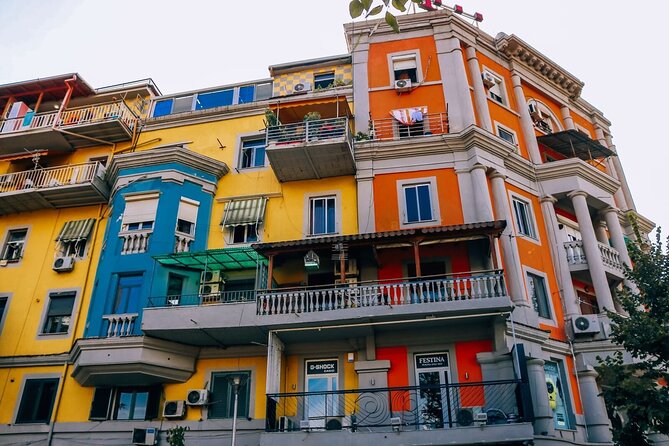
- Tirana food culture route (byrek, pastry dessert, Albanian coffee, raki, plus bazaars)
- Fortress and castle visits where the views are part of the payoff, not an add-on
Other days with a guide kept just to yourself
- Private Tour: Montenegro Day Trip from Dubrovnik★ 4.5 · 495 reviews
- Tour The Game of Thrones – Private Walking Tour★ 5.0 · 464 reviews
- Montenegro Private Full Day Tour from Dubrovnik★ 5.0 · 376 reviews
- PRIVATE TOUR: Highlights & Hidden Gems of Dubrovnik With Locals★ 5.0 · 249 reviews
Price and Logistics: What You’re Paying For (and What You’re Not)
This tour costs $2,146.51 per person. That’s not cheap, but the price is doing real work for you: 3-star hotels with breakfast for your overnight stays, private transportation, and a professional tour leader who keeps the whole multi-country plan running.
You’re also paying for the “moving parts” that add up when you book independently: hotel pick-up and drop-off in Dubrovnik (and the alternative option from Kotor), border-day coordination, tourist taxes, and transport costs like road taxes and fuel. The tour also includes entry tickets for the sites it lists as included (like Kalaja Fortress, Kruja Castle, and Rozafa Castle).
What’s not included is just as important for budgeting. Lunches, dinners, drinks, and snacks are on you. Souvenirs are also extra. So if you’re the type who eats well every day (and you should—this trip is food-forward), plan a daily spend beyond the tour price.
One more number to keep in mind: the tour is marketed as small (often around eight), but the maximum listed group size is 10 travelers. Either way, it’s designed so you can ask questions and get direction, especially on walking days with hills and uneven stones.
Small Group Feel: Getting Guide Time Without a Big-Bus Crowd
The difference between a tour that’s “semi-private” and one that’s truly mass-market is how often the guide can actually talk to you. Here, the group cap keeps things manageable, and the route moves city to city with a car, not a train-and-wait rhythm.
In the reviews, the best praise centers on guide quality. One guest loved the way guide Bledi tailored the tour to what they wanted, while another highlighted guide Julian for useful information and tips that made the trip feel memorable. Even if your guide is different, the structure is the same: you’re meant to leave each stop with context, not just photos.
That guide presence is especially valuable in places like Prizren and Tirana, where the sights are tied to culture and daily life. You’ll hear why things are arranged the way they are, and you’ll get practical pointers for walking through old streets without feeling lost.
Border Transfers: The Part That Can Make or Break Your Day
Border days are where tours either feel smooth or feel chaotic. This trip is clear that you start by getting picked up in Dubrovnik and shuffled to the border area to meet your tour leader. You also finish with a return drive to the Croatian border, then a transfer back to your Dubrovnik hotel.
In one negative experience, a guide did not remain for the handoff as expected, and the traveler ended up waiting and then finding the pickup themselves. The operator’s response (based on what they said) points to the issue being a late arrival caused by traffic and a misunderstanding about where you should wait.
My practical advice:
- On day one and day five, confirm the exact waiting point and who you’re meeting.
- If something is unclear, ask your guide to summarize it in one sentence you can repeat back.
- Wear comfortable shoes. Even when no walking is planned for the waiting moment, border areas can still involve short walks with bags if timing gets weird.
If you’re prepared for that reality, this trip can still feel easy. When the handoff works, the whole route clicks.
Day 1 in Montenegro: Kotor’s Medieval Maze and Budva’s Old Town
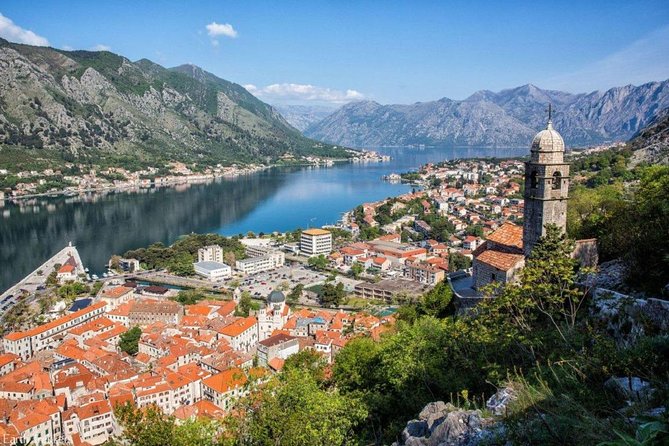
Day 1 starts early, with pickup from your Dubrovnik hotel at 7:30 am. Your local driver shuttles you to the border area, where you meet the tour leader. This morning setup is meant to reduce stress once you’re already traveling.
Across the border for more of Kotor Bay
- From Dubrovnik: Montenegro Day Trip
★ 4.4 · 4,807 reviews - From Dubrovnik: Montenegro Boat Tour from Perast to Kotor
★ 4.6 · 4,084 reviews - Montenegro Full-Day Trip from Dubrovnik with Optional Boat Trip
★ 4.5 · 3,212 reviews - Full-Day Tour Bay of Kotor Perast Kotor and Budva small group from Dubrovnik
★ 4.5 · 821 reviews - From Dubrovnik: Perast, Kotor & Budva Small-Group Day Trip
★ 4.6 · 731 reviews
Kotor: UNESCO Old Town in a Labyrinth
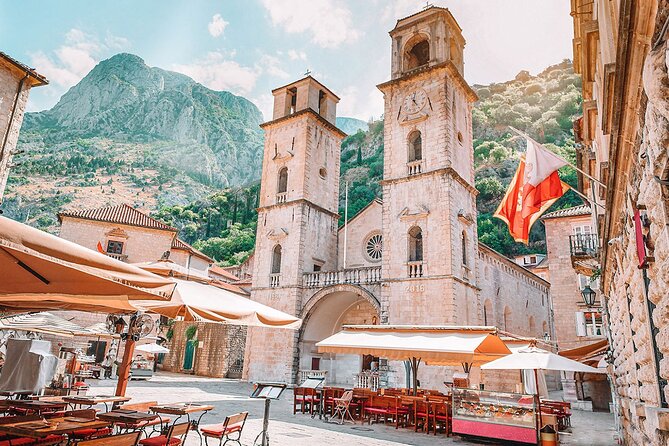
Your first real stop is Kotor, a UNESCO-listed medieval town. The old streets are described as chaotic, but that’s the point: the plan makes life harder for intruders. You’ll wander the narrow cobblestone lanes and see small plaques on older buildings and churches that note construction dates and original use.
A highlight here is Saint Luke’s church. The tour emphasizes its meaning for locals as a symbol of unity—one of those details that changes how you see a place. It’s not only architecture; it’s identity.
This stop is scheduled for about two hours, and the good news is that admission is free for the listed church visit.
Budva: Old vs. New, Plus Two Churches
After Kotor, you drive to Budva. The city is split between a newer zone full of modern buildings and a more historic Old Budva. You’ll focus on the old center, where medieval streets and churches create the atmosphere.
The tour includes visits to St. Ivan church and the small church of St. Mary. This is a shorter stop (about one hour), so you’ll want to keep your pace. If you like quick “orientation walks” to understand a place, Budva fits that style.
Both Kotor and Budva are marked as free admission, which helps you keep daily costs under control.
Day 2: Albania’s Slow-Food Farm, Then Kosovo’s Prizren Views
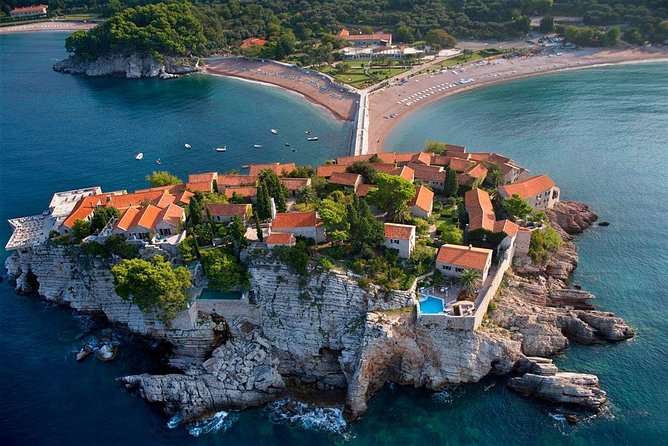
Day 2 is a big cultural jump. You cross borders toward Albania and Kosovo, and the route is built to change your pace: from a countryside food experience to an old-city walking day with mosques and fortress panoramas.
Mrizi i Zanave: Agro-Tourism and Local Bio Products
You start at Mrizi i Zanave – Restorant Agroturizëm, described as one of the best slow-food agro-tourism farms in the Balkans. You’ll tour the farm and hear the story of how it created jobs for more than 400 people in the surrounding area.
One detail I like here is how the farm adapted older communist-era buildings for practical storage of regional bio fresh products. It’s the kind of “how people work now” story that makes you feel connected to the region, not just passing through it.
There’s also time for a traditional lunch or to buy fresh produce. Since lunch isn’t included in the base tour cost, this can be your moment to decide: do you want the farm meal, or do you want to snack and save money for later?
Prizren: Cultural Capital, Bridges, and a Mosque Stop
Next comes Prizren, often framed as Kosovo’s cultural capital. The tour highlights the city as an Illyrian settlement and a crossroads between Byzantine and Ottoman empires, which explains why the architecture feels layered.
You’ll notice the river running through the center and flowing under the bridges that crisscross the city. You’ll also hear about religious tolerance, not as a slogan, but as something that shapes the mix of places of worship.
The tour also offers a fun practical time tip: in August, Prizren hosts Dokufest, a short-film festival. You’ll keep that in mind as you walk, even if you’re there in a different month.
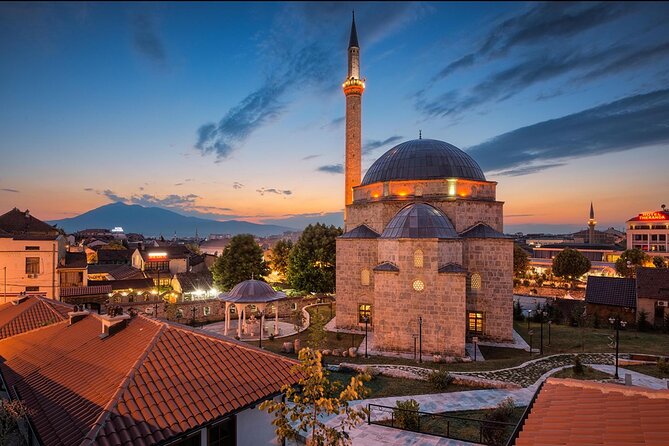
You’ll then visit Sinan Pasha Mosque, praised for its arabesque colors and pattern work. This is the kind of stop where you take your time for details, not only photos.
Kalaja Fortress: The View Payoff
The day ends with Kalaja Fortress above the town. Expect a panoramic view from the hill. This one is listed with included admission, so it’s part of what you’re paying for.
Day 2 runs around Prizren in depth, and it’s a smart pacing choice: you’re seeing fewer stops, but each one has more meaning.
Day 3 in Albania: Kruja’s Resistance Story, Bazaar Time, and Castle Views
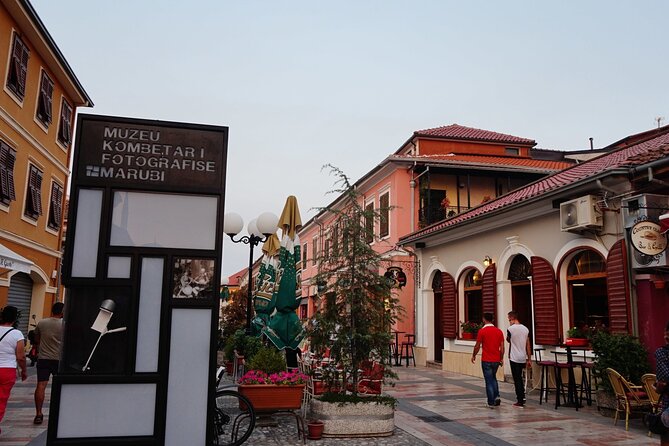
Day 3 brings you back into Albania for Kruja, a historical symbol tied to resistance against Ottoman expansion in the 15th century. The town sits on rocky mountainous terrain about 560 meters above sea level, which helps explain why the views from higher points matter so much.
Kruja Town and the Resistance Theme
You’ll spend about an hour here, and the emphasis is on Kruja’s role in Albanian resistance. Even if you don’t read every plaque, having the bigger story in your head helps you interpret the feel of the town.
Kruja Bazaar: Shop Like a Local (and Bargain)
Next is the Kruja Bazaar, described as one of the biggest and oldest medieval old bazaars in the Balkans. This is your souvenir window, from typical items to more handmade things like carpets and jewelry.
Since your time here is about one hour, you’ll want a “browse fast, decide later” mindset. If you’re shopping, remember that bazaars are often part market, part social space—so don’t rush your way through if someone invites you to look closer.
Kruja Castle: Built for Hard-to-Reach Defense
Finally, you visit Kruja Castle, described as strategically placed and built during the 5th century A.D. Your admission is listed as included.
This stop is about half an hour. It’s short, but the castle location is the point: it’s hard to attack from the roads below, and you’ll feel that defensibility in how the hill sits over the area.
Day 4: Tirana Food Trails, Çam Bazaar Finds, Shkodër and Rozafa
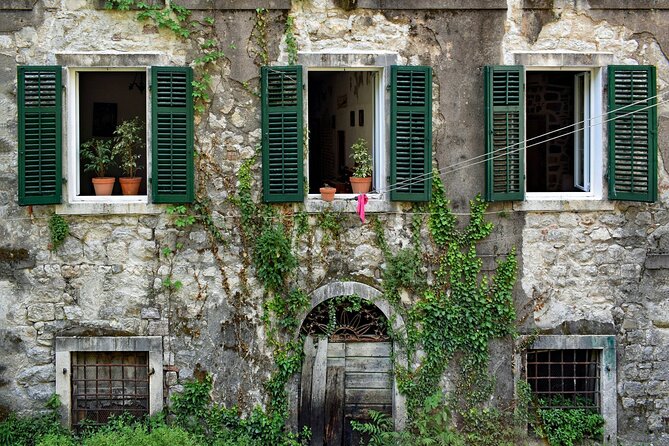
Day 4 is the most “active” in terms of sensory variety. You start in Tirana, then drive north to Shkodër, and finish with a castle viewpoint at Rozafa.
Tirana Breakfast Like a Local: Byrek and Real Coffee Culture
You meet a local companion and start with a small local place to try byrek, framed as breakfast-like food. It’s dough with fillings like cheese, meat, or spinach.
Then you move through Çam bazaar, founded by the Çam community originally from Çameria in today’s north-west Greece. You’ll browse goods and have a chance to bargain.
The second Tirana segment focuses on hidden neighborhoods and culinary stops. You’ll try a traditional dessert at an authentic pastry place, then walk street markets where people sell fresh produce.
Coffee is a big emphasis here. You’ll join locals at a cozy café and taste Albanian coffee, which is exactly the kind of “small ritual” that makes a city feel human.
Pazari i Ri and New Bazaar: Bicycle Bazaar, Lunch, Raki
You continue through neighborhoods and visit Pazari i Ri, also called the Bicycle bazaar, where you can find things like second-hand clothes and furniture.
Then comes the New Bazaar, where you try a traditional Albanian lunch, followed by raki. The tour positions raki as an end-of-day tradition, and you’ll likely understand why once you taste it. If you don’t drink alcohol, you can still enjoy the food side and skip the raki moment.
Shkodër: An Old City with a Lake Name Connection
After Tirana, you drive to Shkodër. The tour notes its location in north-west Albania and that the city gives its name to the biggest lake in the Balkans.
You’ll also hear the long timeline: Shkodër is described as having a thousand years of habitation, and the tour mentions that the oldest wall of the Shkodra castle dates from the 1st millennium BCE. The Roman historian Livy is referenced as citing the town in relation to the Illyrian king Gent in 168 B.C. Even if history isn’t your thing, that sets the stage for why Rozafa feels like a strong finishing point.
Rozafa Castle: Views Where Rivers Meet the Sea
You’ll visit Rozafa Castle, known for tremendous scenery of the lake and three rivers melting together before reaching the Adriatic Sea. Admission is listed as included, so this is a true “included payoff” stop.
Day 5: Free Morning, Then a Scenic Return to Dubrovnik
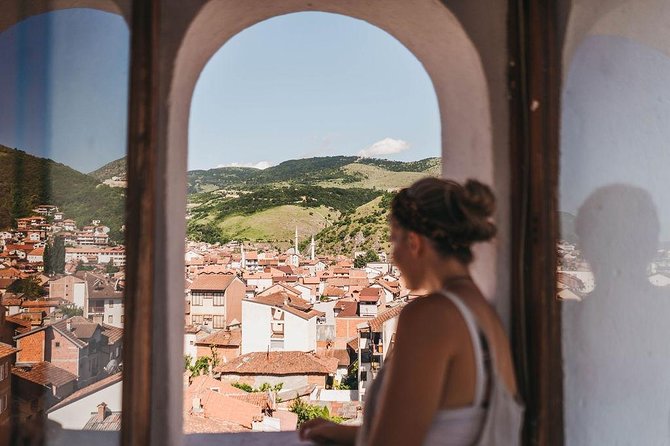
You start day 5 with breakfast, then you have free time before departure. Your driver picks you up from your hotel and drives you toward the Croatian border, described as a picturesque journey through Montenegro.
At the border, a local representative shuttles you to your hotel in Dubrovnik. This is the “final transfer” rhythm that matters, because it’s where timing issues can show up if traffic is heavy.
If you’re the type who hates uncertainty, take five minutes the night before and write down:
- your pickup location inside the border meeting plan
- the driver/tour-leader reference point you were given
That way you’re not trying to decode directions with bags and stress in the mix.
Accommodation and Comfort: 3-Star Hotels, Real Beds, and Breakfast
You’ll stay in 3-star hotels with breakfast included for your overnight stays. The tour includes breakfast four times, which aligns with the multi-day format.
You should expect comfortable basics, not luxury. The value here is that you don’t have to coordinate hotels across four countries. The tour handles the “sleep” portion so you can focus on walking days and food stops.
One thing to consider: the tour is active and includes castle and fortress climbs and cobblestone walking. Bring shoes that grip well. Your comfort will be less about hotel quality and more about how you handle the streets.
If you want a single room, it’s possible for an extra €45 per night per person in 3-star accommodation.
Who This Tour Fits Best (and Who Might Prefer Something Else)
This tour is a strong fit if you:
- have limited time and want Montenegro, Albania, and Kosovo in one trip
- enjoy guided walking tours and seeing old-town layout from ground level
- want food experiences built into the route, from Tirana byrek to farm-style local produce
- like fortress/castle viewpoints more than museum marathons
You might want to look elsewhere if you:
- hate early starts and tight driving schedules
- prefer a slower travel pace with more independent time in each city
- know you get stressed easily at border handoffs
Should You Book This Tour?
I think it’s a good booking if you go in with the right expectations: this is a multi-country, guided-and-driven sprint built around key sights and food stops. The price looks high until you factor in the hotel/breakfast package, included entry for major viewpoints, private transport, and door-to-door service in Dubrovnik.
The only real caution is the border handoff. The negative feedback you have here isn’t about the sights—it’s about the end-of-day transfer coordination. If you stay proactive about meeting points and timing on pickup/drop-off days, you can reduce that risk a lot.
If you want a single, organized way to see Kotor, Prizren, Kruja, Tirana, Shkodër, and Rozafa without turning your trip into logistics homework, this tour can deliver.
FAQ
What time does the tour start, and where is the meeting point?
The tour start time is 7:30 am. Pickup details are on request, and you can also be picked up from Dubrovnik at 9:00 am or from Kotor at 11:00 am free of charge (if you request it at least 12 hours before departure).
How many people are in the group?
The tour lists a maximum of 10 travelers.
What kind of hotel is included?
Accommodation is in 3-star hotels, with breakfast included for your overnight stays.
Are meals like lunch and dinner included?
No. Lunches, dinners, drinks, and snacks are not included.
Are entrance tickets included?
Entry tickets for the sites that are listed as being visited with tickets are included. Some stops are free, while others (like fortress/castle visits) are marked as included.
Do you offer single room occupancy?
Yes. Single room occupancy is possible for an extra €45 per night per person in 3-star accommodation.
What language is the tour offered in?
The tour is offered in English.
Can I get a refund or change my booking if plans change?
No. This experience is non-refundable and cannot be changed for any reason.
More of Montenegro from Dubrovnik


More Private Days in Dubrovnik
More Tour Reviews in Dubrovnik
Fresh on the Dubrovnik shortlist


Montenegro Day Trips, compared.
 ★ 4.4From Dubrovnik: Montenegro Day TripFrom $704,807 reviews
 ★ 4.6From Dubrovnik: Montenegro Boat Tour from Perast to KotorFrom $684,084 reviews
 ★ 4.5Montenegro Full-Day Trip from Dubrovnik with Optional Boat TripFrom $723,212 reviews
 ★ 4.5Full-Day Tour Bay of Kotor Perast Kotor and Budva small group from DubrovnikFrom $110821 reviews
 ★ 4.6From Dubrovnik: Perast, Kotor & Budva Small-Group Day TripFrom $100731 reviews
 ★ 4.4From Dubrovnik: Montenegro Day Trip with Cruise in Kotor BayFrom $68616 reviews
 ★ 4.5Private Tour: Montenegro Day Trip from DubrovnikFrom $296495 reviews
 ★ 4.6Montenegro Day Trip & Kotor Bay Short Boat CruiseFrom $80445 reviews
Browse the lists this tour appears in