
Reviewed · DUBROVNIK WINE TASTING
Korčula & Ston: Island Charms, Pelješac Delights & Wine Tasting
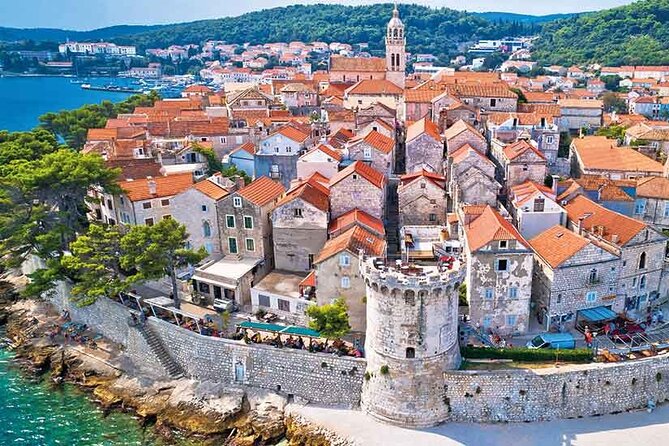
Walls, wine, and island views—on one day. This Korčula and Dionysian Path tour is a full-throttle escape from Dubrovnik: you ride coastal roads to Ston and the salt pans, then continue through Pelješac’s countryside before catching the ferry to Korčula. Along the way, you get guided stops, an included winery visit, and time to look around at your own pace.
I like the practical mix here: wine tasting on Pelješac, plus guided time in Korčula’s old town highlights like the Cathedral of Saint Mark and the Bishop’s Palace. I also like that you’re not stuck in a bus all day—there’s a real “walk and look” rhythm, including an optional stop for oysters in Mali Ston.
One caution: the start is early (7:00am) and the day depends on weather and timing, so if you’re going in a very quiet season, Korčula can feel a bit sleepy. It’s still scenic, but the “what do we do with free time?” factor may be more limited than you’d expect.
In This Review
- Key Things I’d Focus On
- Why This Tour Works for a One-Day Island Fix
- Price and What You’re Really Paying For
- The 7:00am Start: Good for Sightseeing, Tough for Sleep
- Stop One: Ston Old Town Walls and Salt-Town Atmosphere
- Stop Two: Ston Salt Works (A Quick Look, Optional Paid Entrance)
- Pelješac by Road: Vineyards, Olive Groves, and Coastal Views
- Winery Time in Pelješac: The Wine Tasting Hour
- Stop: Orebić and the Ferry to Korčula
- Korčula Old City: Cathedral, Bishop’s Palace, and Time to Wander
- Free Time: Swim or Explore at Your Own Pace
- What the Guides Do Right (And Why It Changes the Day)
- Small-Group Reality: Maximum 19, Often More Comfortable
- Season Check: Late April Can Feel Quiet
- Who This Tour Suits Best
- Tips to Make the Day Smoother
- Should You Book Korčula & Ston from Dubrovnik?
- FAQ
- How long is the Korčula and Ston tour from Dubrovnik?
- What time does the tour start?
- Is pickup offered?
- Do I get a ferry to Korčula?
- Is the wine tasting included?
- What are the main sightseeing stops on the day?
- Are there optional activities during the tour?
- Is there free time during the tour?
- What should I bring?
- Do I need good weather for the tour?
Key Things I’d Focus On
- The included ferry from Orebić to Korčula saves you time and hassle
- Ston’s walls and salt story give real context to what you see
- Pelješac wine tasting includes local grapes you’ll want to know (hello Plavac Mali)
- Korčula’s guided highlights cover the big sights without rushing
- A capped group size (maximum 19) keeps things easier than mega-tours
- Optional add-ons (salt pans, oysters) let you choose your pace
More local pours, from Pelješac reds to Cavtat whites
- Ston and Korcula Island Day Trip from Dubrovnik with Wine Tasting★ 4.0 · 130 reviews
- Sunset and Wine / Dubrovnik Sunset Tour and Premium Wine Tasting★ 5.0 · 113 reviews
- From Dubrovnik: Half-Day Wine Tasting and Cavtat City Tour★ 4.8 · 112 reviews
- E-Bike Tour + Gourmet Snack + Wine Tasting (Small Group)★ 5.0 · 95 reviews
Why This Tour Works for a One-Day Island Fix
If Dubrovnik is your base, it’s easy to get trapped in old-stone sightseeing loops. This tour breaks the pattern. You go by land first—Adriatic coastal roads, then the Pelješac Peninsula’s hills—then switch to sea with a ferry ride to Korčula. That change of scenery matters on a long day. It keeps your brain awake, and it makes the day feel like more than a checklist.
The best part is the balance between guided structure and personal time. You get a guide along the way, plus a smartphone audio guide, so you can follow along even if the bus is bouncing. Then you get time to wander in Korčula and to swim or simply cool down during the day’s slower moments.
Finally, there’s a food-and-wine thread running through it. It’s not just “taste a sip and move on.” You’re positioned in the right place to understand why these wines matter, because you’re driving through the peninsula where grapes and olive groves shape the landscape.
Price and What You’re Really Paying For
At $184.97 per person, this isn’t the cheapest thing around. But it’s also not just a drive with a friendly voice. You’re paying for several concrete inclusions that add up:
- Pick-up and drop-off
- An air-conditioned vehicle (not small on a summer start)
- WiFi on board (handy during waits)
- Ferry/boat to Korčula included
- A wine tasting at a local winery
- Guide time through key sights
- Smartphone audio guide on your phone
If you tried to DIY the same day, the cost is likely to rise fast once you price out transport, ferry tickets, and a paid guide to make the history click. The value is strongest if you like having someone connect the dots—why Ston’s salt matters, how Pelješac fits into Croatian winemaking, and what makes Korčula’s old town feel different from other Adriatic stops.
This pricing also hints at an experience style: it’s a guided, “see the main pieces in one day” kind of trip, not a slow and quiet meander.
The 7:00am Start: Good for Sightseeing, Tough for Sleep
The day begins at 7:00am, and it runs about 10 hours total (traffic can shift timing). That early departure is the trade-off that makes this possible at all. You’re aiming to hit Ston first, then roll into the Pelješac area, and still get meaningful time on Korčula Island.
If you’re the type who enjoys mornings—coffee, photos, quiet streets—this start can feel like an advantage. Ston’s old town and the salt works visit are far more pleasant when the day isn’t boiling hot.
But if you’re traveling on short sleep, be honest: you’ll feel it. Bring water, and consider a light snack plan so you don’t get cranky before the wine tasting hour.
Stop One: Ston Old Town Walls and Salt-Town Atmosphere
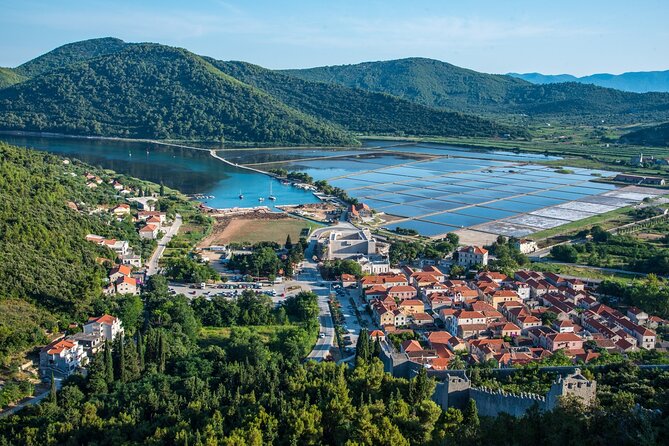
Ston Old Town is where the day earns its “why are we here” credibility. You get about 1 hour to explore. The big visual draw is the town’s impressive city walls, known for being among the longest in Europe, and the broader salt-pan history that shaped Ston’s economy.
Even if you don’t climb anything, you’ll get the scale. Ston feels built for defense and commerce at the same time, and it’s hard not to notice how the old stone and street layout work together. The guide’s role here is helpful, because the walls and salt story can otherwise feel like two unrelated facts.
Practical tip: wear comfortable shoes. Ston is charming, but you’ll want your feet to feel good for photos and walking.
Deeper into the Pelješac vineyards and Ston oyster beds
- Private Mostar, Ston and Kravice Waterfalls – Costumizable
★ 4.7 · 314 reviews - Explore Mostar, Ston and Kravice Waterfalls ( Small Group )
★ 4.5 · 166 reviews - Wine Lover’s Tour of Peljesac Peninsula
★ 5.0 · 150 reviews - Peljesac Peninsula & Korcula Island Day-Trip from Dubrovnik
★ 4.3 · 135 reviews - Dubrovnik: Oyster, Mussles, and Wine Tasting Tour in Ston
★ 5.0 · 77 reviews
Stop Two: Ston Salt Works (A Quick Look, Optional Paid Entrance)
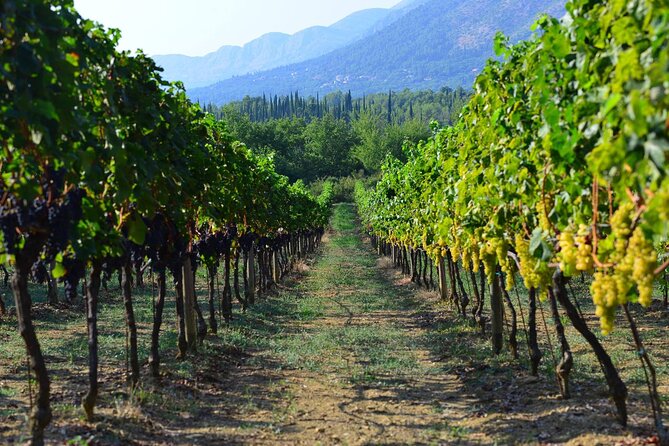
Next up is the salt works visit—about 15 minutes. The salt pans are traditionally tied to centuries of salt production, so this is less about hands-on activity and more about seeing a working-history place and understanding why salt mattered here.
The salt pans entrance is optional and not included, so you’ll have to decide on the spot whether you want to pay for more interior detail. If you’re the sort of person who enjoys industrial history and how it shaped local life, it’s probably worth considering. If you’d rather spend that energy later, you can keep it simple and just take in the views and context.
Pelješac by Road: Vineyards, Olive Groves, and Coastal Views
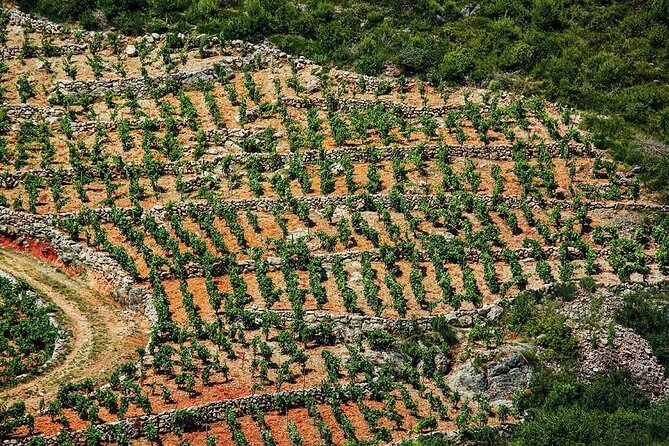
After Ston, the drive turns into the “slow down and look out the window” part of the day. You’re crossing the Pelješac Peninsula, famous for vineyards and olive groves, and the scenery helps explain why the area is central to Croatian winemaking.
This is also where the guide’s storytelling can make your photos better. When you hear the context for what you’re seeing—grape varieties, coastal conditions, why certain areas became known for wine—it’s easier to remember the day later instead of thinking, “Pretty drive, next stop.”
There’s no single “one moment” you must miss. It’s the cumulative effect: roads, hills, and coast line up so you understand Pelješac as more than a transit zone.
Winery Time in Pelješac: The Wine Tasting Hour
The tour includes wine tasting at a local winery, about 1 hour. This is your chance to taste what you’ve been riding through, and the tasting is tied to local varieties. One highlight mentioned is Plavac Mali, which is one of the names that helps you connect Pelješac to Croatia’s broader wine identity.
A good wine-tasting stop has two jobs: give you something enjoyable to drink and teach you just enough to make the experience meaningful. With the time window here, you should expect a short, friendly explanation, then a structured tasting.
Practical note: plan to sip, not chug. It’s a long day with more walking and then ferry time. If you want to keep control of your pace, ask questions, take notes on what you like, and don’t forget that you still have Korčula ahead.
Stop: Orebić and the Ferry to Korčula
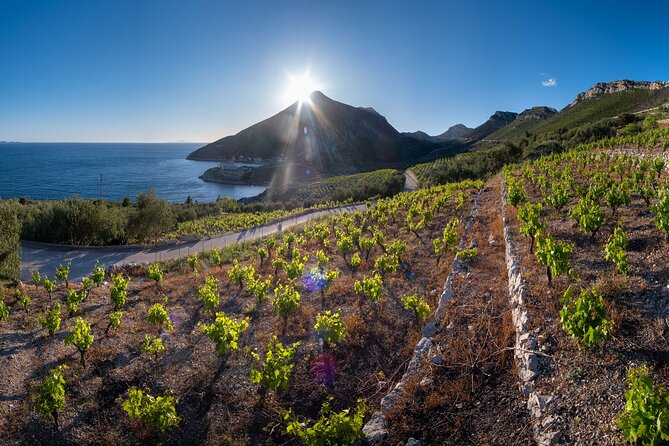
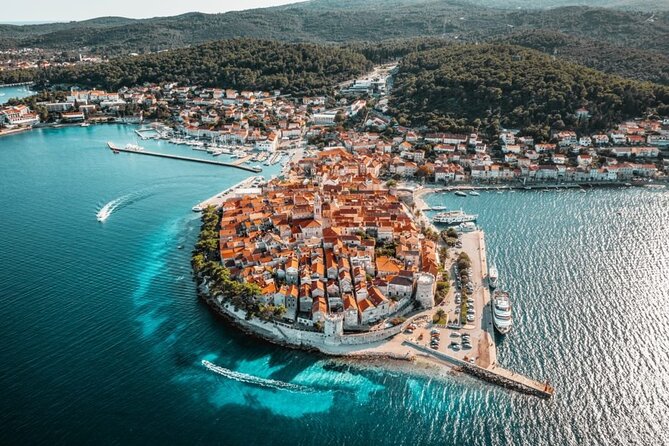
Then comes the water part. You’ll spend about 15 minutes in Orebić—the ferry segment is included in the tour. The ferry gives you a different angle on the coast, and it’s a nice shift from the land drive.
Even a short ferry ride feels like a reset. It also helps explain why Korčula often feels distinct from other nearby coastal towns. You arrive with that “we’re actually on an island now” feeling, not just another stop on the same shoreline.
Korčula Old City: Cathedral, Bishop’s Palace, and Time to Wander
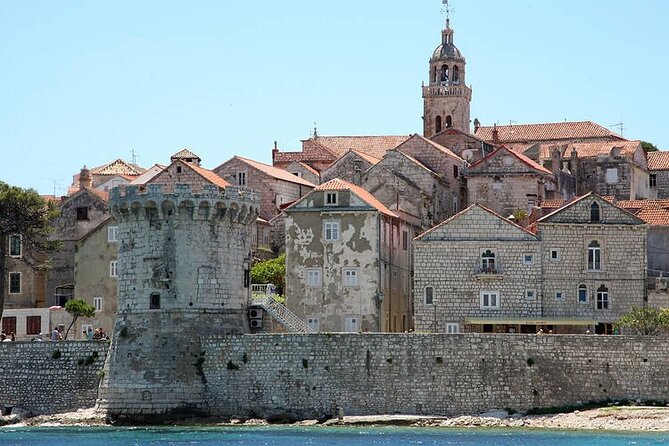
Korčula Old City gets about 3 hours, and that’s enough time to do two things well: see the major sights with your guide, then walk on your own.
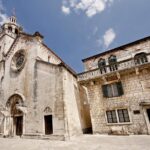
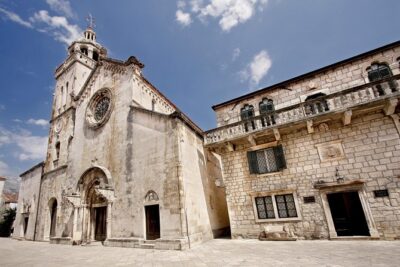
The tour highlights include top structures such as the Cathedral of Saint Mark and the Bishop’s Palace. If you love church interiors and the way power and religion sat together historically, these stops will land well. If you’re more “street-and-view” minded, you’ll still get value because the guide can point out what to look for as you move.
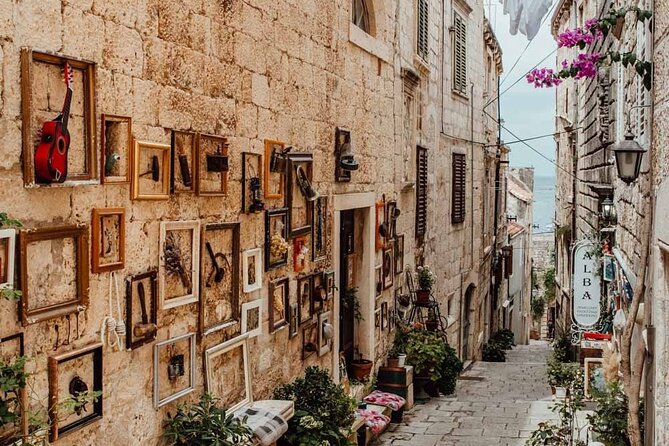
Korčula is often described as a quiet place to slow down. That’s true for some seasons. In late spring or quieter parts of the year, it can feel calm and not packed with stuff happening. One piece of feedback from the experience’s community is that in late April the island can be very sleepy, with limited activities beyond what you’re already doing on the route.
So here’s how I’d plan your expectations: treat Korčula as a walking and looking day first, not an “events” day. If you want lively energy, go in summer or plan to spend your free time doing what you already enjoy: photos, viewpoints, and slow meals.
Practical tip: bring swimwear in summer. The tour notes swimwear for warm-weather trips, and there’s free time built in where a quick swim can make the day feel less long.
Free Time: Swim or Explore at Your Own Pace
A key element is free time to swim or explore at your leisure. This is the part many people appreciate most, because it breaks the guide rhythm.
If you like structure, you still get guidance up front. If you prefer independence, you can use this time to focus on what you care about—views, a beach moment, or just wandering streets without thinking about the schedule.
Just remember: this is a single-day format. Even with free time, it’s not unlimited. Use it deliberately. If you want photos, pick your best viewing time earlier rather than waiting for the “maybe later” gap.
What the Guides Do Right (And Why It Changes the Day)
This kind of day tour lives or dies by the guide. One standout detail from the feedback: Davor was a “just the best” guide experience, with a small group and lots of conversation. The same review notes that Davor was full of information during the drive and felt hospitable, and it reads like he didn’t talk at people—he chatted, answered questions, and made the ride part of the experience.
That matters. When the scenery is good, but the itinerary is long, the guide is the person who keeps the day from feeling like transport between photo stops. With someone strong at explanation, Ston becomes more than walls. Korčula becomes more than old streets. Pelješac becomes more than countryside.
With a cap of 19 travelers, you’re more likely to get a human-scale feel than a giant bus crowd. That’s not a guarantee, but it helps.
Small-Group Reality: Maximum 19, Often More Comfortable
The group size is capped at 19. In plain terms, that’s big enough for lively chatter, but small enough that you’re less likely to feel lost at key stops.
One review specifically described a group of four and a more personal vibe. That doesn’t mean it will be your situation, but it does reinforce that the day can feel comfortable depending on how full the departure is.
If you hate waiting in lines, a smaller group usually helps. If you like meeting new people, you’ll probably have an easier time doing it here than on massive city tours.
Season Check: Late April Can Feel Quiet
One caution from the experience feedback: late April on the tiny-island side can feel sleepy, with not much going on. That’s believable, because shoulder season often slows down the energy level of smaller old towns.
So adjust your mindset. Plan this as a cultural and scenic day: walls, salt works, old-town architecture, a ferry ride, and wine tasting. Don’t expect nightlife energy or constant crowds. If your travel dates are flexible, summer generally brings more movement—but even in quieter months, the sights themselves are still the point.
Who This Tour Suits Best
This is a strong match if you:
- Want a guided “greatest hits” day that still includes time to wander
- Like wine and want a tasting connected to place, not just a stop
- Enjoy ferry rides and don’t mind a long day schedule
- Prefer pick-up/drop-off over figuring out transport
It may not be ideal if you:
- Want a relaxed pace with no early morning
- Need lots of on-your-own activities during free time
- Are sensitive to long car time (even with air-conditioning)
Tips to Make the Day Smoother
- Wear comfortable shoes for Ston and Korčula walking
- If you’re traveling in summer, bring swimwear for that built-in break
- Start hydrated. The day is long, and the early start means you’ll feel it
- If salt pans or oysters interest you, decide before you arrive so you’re not rushed by the moment
- Take notes during the wine tasting hour so you remember what you liked when you’re back in town
Should You Book Korčula & Ston from Dubrovnik?
I’d book this if you want one day that clearly connects Dubrovnik to Croatia’s coast: city walls and salt economics in Ston, Pelješac vineyards and Plavac Mali during tasting, and Korčula’s old-town highlights with guided context. The value is strongest when you want included ferry time and don’t want to juggle transportation.
Skip it or consider another option if you’re going in a very quiet season and you’re hoping for a lot of independent entertainment during free time. Also, be ready for the early start. This is a full itinerary day, not a slow morning.
If you’re a planner who loves structure plus a bit of freedom, this one makes sense. If you’re trying to sleep in and wander with no schedule pressure, you might find it a bit much.
FAQ
How long is the Korčula and Ston tour from Dubrovnik?
It runs for about 10 hours (the exact duration can vary depending on traffic).
What time does the tour start?
The start time is 7:00am.
Is pickup offered?
Yes. Pick-up and drop-off are included.
Do I get a ferry to Korčula?
Yes. The boat/ferry to Korčula is included, and the itinerary includes a ferry from Orebić to Korčula Island.
Is the wine tasting included?
Yes. Wine tasting at a local winery is included, and it lasts about 1 hour.
What are the main sightseeing stops on the day?
You’ll visit Ston Old Town, Ston Salt Works, Korčula Old City, and also spend time in Orebić before the ferry. Korčula Old City includes highlights such as the Cathedral of Saint Mark and the Bishop’s Palace.
Are there optional activities during the tour?
Yes. Salt pans entrance is optional, and oyster tasting in Mali Ston is optional (both are not included).
Is there free time during the tour?
Yes. You’ll have free time to swim or explore at your own leisure.
What should I bring?
Bring comfortable shoes. In summer, bring swimwear. Service animals are allowed, and most travelers can participate.
Do I need good weather for the tour?
Yes. The experience requires good weather. If it’s canceled due to poor weather, you’ll be offered a different date or a full refund.
More of the Pelješac Wine Coast



More Croatian Wine to Taste



More Tour Reviews in Dubrovnik

Fresh on the Dubrovnik shortlist


Dubrovnik Wine Tasting, compared.
 ★ 4.0Ston and Korcula Island Day Trip from Dubrovnik with Wine TastingFrom $82130 reviews
 ★ 5.0Sunset and Wine / Dubrovnik Sunset Tour and Premium Wine TastingFrom $59113 reviews
 ★ 4.8From Dubrovnik: Half-Day Wine Tasting and Cavtat City TourFrom $130112 reviews
 ★ 5.0E-Bike Tour + Gourmet Snack + Wine Tasting (Small Group)From $17795 reviews
 ★ 5.0Oyster, Mussles, and Wine Tasting Tour in StonFrom $17677 reviews
 ★ 4.9Sunset Wine Tasting At Panorama PointFrom $6372 reviews
 ★ 5.0E-Bike Tour + Gourmet Lunch + Wine Tasting (Small Group)From $22668 reviews
 ★ 5.0Dubrovnik Sunset Tour with Wine TastingFrom $4267 reviews
Browse the lists this tour appears in