Reviewed · DUBROVNIK
Crime and Punishment in old Dubrovnik
Cruel history, on foot. This 7:00 pm, 1 hour 40 minute English private walk threads crime and punishment through Dubrovnik’s old streets, ending inside Rector’s Palace. You’ll cover stone paths at an evening pace, guided by stories that connect real places to the city’s harsher past.
What I like most is how you get an intimate look at corners many people skip. The walk also shines when it turns into a guided story map, with details about public executions at Gradac Park and what you can still see in the palace prison spaces. Marija, the guide, is especially good at making the material feel human and clear, not like dry facts.
The main thing to consider is the moderate walking, plus cobbles and uneven steps in the old town. Also, while several stops have free admission, Rector’s Palace entry is not included—so plan a little extra if you want to go inside.
In This Review
- Key highlights you’ll actually feel
- Crime and Punishment in Old Dubrovnik: why this theme works
- Meeting at Ulica Dante Alighieri and stepping into Pile
- Gradac Park: public executions, then and now
- Onofrio’s Large Fountain and the Franciscan medicines angle
- Walking the southern old town: criminal cases and the old port
- The executioner’s house, the old synagogue, and the way to Stradun
- Rector’s Palace: courtroom, prison cells, and what to do after
- Price, timing, and value at $144.49 per person
- Who should book this tour (and who might skip)
- Should you book Crime and Punishment in old Dubrovnik?
- FAQ
- How long is the Crime and Punishment walk?
- What time does the tour start?
- Where do I meet the guide?
- Is the tour in English?
- Is this a private tour?
- Do I need to buy tickets for each stop?
- Is there a lot of walking?
- Where does the tour end?
Key highlights you’ll actually feel
- A crime-and-punishment themed route that leads you off the busiest lines in the old town
- Gradac Park, where public executions once happened, set against today’s calm park feel
- Onofrio’s Large Fountain and a stop built around Franciscan friars and medieval medicines
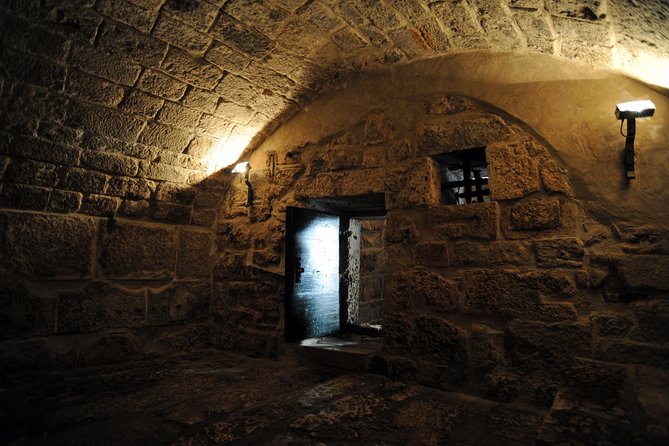
- Rector’s Palace courtroom and prison cells, with time to continue on your own afterward
- A private tour format that can make the pace feel personal, especially if your group is small
Not set on this one yet? Set it beside a few other Dubrovnik trips first.
- Blue Cave Small-Group Boat Tour from Dubrovnik★ 5.0 · 9,360 reviews
- Full-Day Dubrovnik Elaphite Islands Cruise with Lunch and Drinks★ 5.0 · 8,823 reviews
- Dubrovnik: Epic Game of Thrones Tour + Lokrum & Saver Option★ 4.9 · 5,995 reviews
- Dubrovnik: Elaphiti Islands Full-Day Cruise with Lunch★ 5.0 · 5,938 reviews
Crime and Punishment in Old Dubrovnik: why this theme works
Most Dubrovnik walks focus on walls, views, and golden-hour photos. This one takes you somewhere moodier and more specific: the way justice—at its strictest—played out in the city’s physical spaces. That’s what makes it more than a dark-themed stroll. You’re learning how the city used punishment, institutions, and everyday locations to enforce order.
I also like that it’s not just a list of grim stories. You get a guided link between street corners and the systems behind them, so you start seeing Dubrovnik as a working place, not a picture postcard. When you walk through the old port area and toward Stradun, the theme keeps pointing you at how people moved, gathered, and got caught.
The tour is designed for people who want a second layer on Dubrovnik. If you’ve already done the classic old town loop, this gives you a different set of landmarks to remember.
Meeting at Ulica Dante Alighieri and stepping into Pile
You meet at Ulica Dante Alighieri, right in the Pile area. Starting here matters because it sets the tone fast. You’re not dropped in the middle of the famous center—you’re guided in from the edge of the old town, with direction that helps you get your bearings before you go deeper.
From the meeting point, the walk heads straight toward Gradac Park. That means your first big moments come early, while you’re still alert and not yet tired from old-town walking.
If you’re doing this on your last night in Dubrovnik (a smart choice for any themed tour), you’ll be glad the route is focused. You won’t need to guess what you should see next, because the guide’s theme is your navigation.
Gradac Park: public executions, then and now
Gradac Park is where the tour starts with its darkest historical anchor. This is a park area connected to the time when public executions were carried out there. Standing in a calm place like a park and knowing what happened there is exactly the kind of contrast that makes history stick.
The stop is brief, and that’s practical. You’re not stuck in one spot while the light changes and your energy drops. Instead, you get enough context to understand why the guide wants you here, then you continue walking into the old city.
One tip: keep your expectations realistic. The stop itself is free and doesn’t feel like a museum. The learning happens through the guide’s storytelling and your ability to place the moment in the space you’re standing in.
Onofrio’s Large Fountain and the Franciscan medicines angle
Next you reach Onofrio’s Large Fountain for a stop that adds an unexpected twist. You’ll learn about the Franciscan friars and medieval medicines here, tying everyday water-and-stone landmarks to the kinds of care and knowledge people relied on.
I like this part because it broadens the idea of punishment and control. Crime and punishment aren’t only about courts and prisons. They also connect to how cities managed bodies, illness, and authority during medieval times.
Like Gradac Park, this stop is short and uses free admission. So you get a meaningful topic without losing time to ticket lines or complicated entries.
- Blue Cave Small-Group Boat Tour from Dubrovnik
★ 5.0 · 9,360 reviews - Full-Day Dubrovnik Elaphite Islands Cruise with Lunch and Drinks
★ 5.0 · 8,823 reviews - Dubrovnik: Epic Game of Thrones Tour + Lokrum & Saver Option
★ 4.9 · 5,995 reviews - Dubrovnik: Elaphiti Islands Full-Day Cruise with Lunch
★ 5.0 · 5,938 reviews - Dubrovnik: The Original Game of Thrones Tour & Lokrum Option
★ 4.8 · 5,064 reviews
Walking the southern old town: criminal cases and the old port

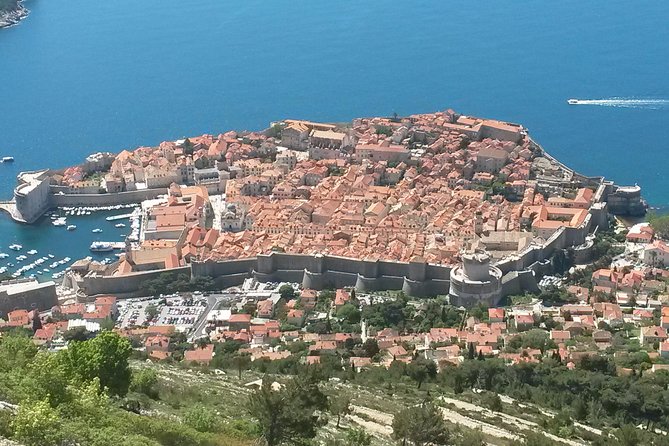
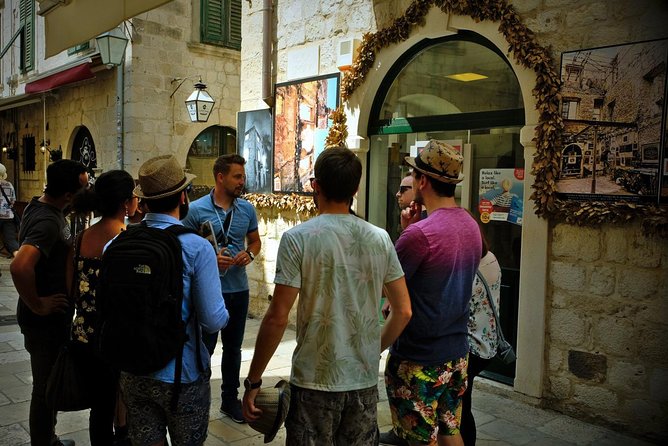
After you move through the Pile area and enter through the western entrance to the old city, the theme shifts from specific places to a sequence of intriguing criminal cases. You’ll walk through streets in the southern part of the old town with the guide pointing out details that make the stories feel local, not generic.
You also pass through the old port. That’s a smart inclusion because ports are where movement concentrates—goods, people, and news. Even without turning the walk into a lecture, the location helps you picture why crime could travel fast and why authorities cared about catching wrongdoing.
This segment is where the tour works best for history buffs. If you enjoy understanding how daily life and institutions overlap, you’ll probably find yourself looking at doorways and street bends differently by the end of this part of the walk.
The executioner’s house, the old synagogue, and the way to Stradun
Before reaching the main street Stradun, the tour routes you past several historically charged landmarks, including the executioner’s house and the old synagogue. These are the kinds of places that can feel easy to miss if you’re just following your own instincts.
This is where the walk earns its name in practice. Executioner-related sites bring you right back to how punishment was carried out in real life, not just in records. And the old synagogue connection keeps the story rooted in the city’s communities and the way different groups lived alongside (and sometimes under) the justice system.
Then you proceed to Stradun—the famous main spine of the old town. The contrast is interesting: you move from smaller, more narrative-driven spaces into the central avenue everyone recognizes. By the time you hit Stradun, the tour’s theme has already changed how you read the street.
Rector’s Palace: courtroom, prison cells, and what to do after
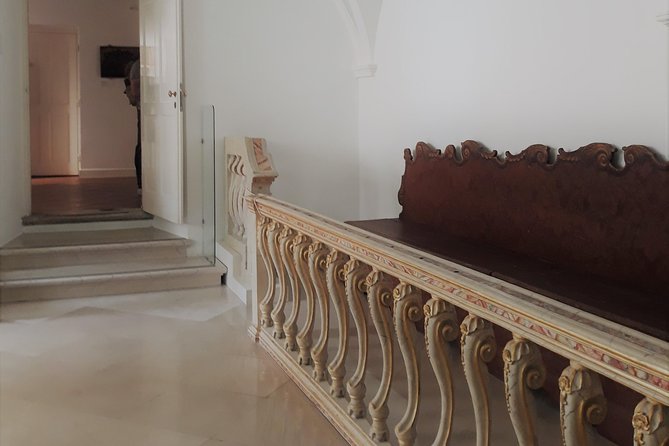
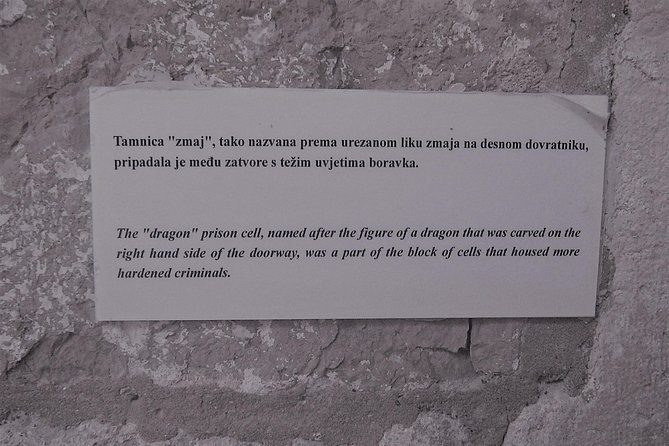
The final highlight is Rector’s Palace. Here you go through the old courtroom and the prison cells before ending in the atrium. This is the part that most people will remember, because you’re not only hearing stories—you’re seeing the architecture connected to them.
Time-wise, you get about 15 minutes in the palace. That’s enough to orient yourself and understand the main rooms the guide wants you to focus on. It’s also not so long that you feel trapped by one building when you still want to explore.
Important practical point: Rector’s Palace admission is not included in the tour price. So if you decide you want to spend time beyond the guided portion, plan for an extra entry cost. After the tour, you can continue exploring the palace on your own, including the cultural-historical museum of Dubrovnik.
If you want to make the most of that free time, come ready to slow down. Look at how spaces are arranged and how the palace turns into a physical system—place for judgment, place for confinement, and public display of authority.
Price, timing, and value at $144.49 per person

At $144.49 per person, this isn’t a budget add-on. For Dubrovnik, though, you’re paying for a guided, theme-driven route that guides you through specific historical nodes—plus a private format where only your group participates.
Value really comes down to fit. If you enjoy walking tours that provide a clear narrative and you like history that feels tied to real street corners, this should feel worth it. You’re essentially trading time-consuming research (or guidebook guessing) for a structured route and a guide who can connect the dots.
Timing also helps. Starting at 7:00 pm gives you a different mood than daytime sightseeing, and the 1 hour 40 minute length keeps the experience focused. You won’t end your night feeling like you spent the evening in a long slog of stops.
Finally, the format supports flexibility. The tour ends either inside Rector’s Palace or in front of it if you choose to skip further entry after the guided portion.
Who should book this tour (and who might skip)
Book it if you want Dubrovnik beyond the usual postcard circuit. This tour is built for people who like story-based history and for anyone curious about the city’s legal and social systems—how they worked in real places, not just in textbooks.
You’ll also probably enjoy it if you like small-group energy. It’s a private tour, and in practice that can make the pacing feel more personal and the questions easier.
Consider a different option if you strongly dislike walking in old-town conditions. The tour involves moderate walking, and old Dubrovnik means uneven surfaces and more steps than you’d expect on a “light stroll.”
Should you book Crime and Punishment in old Dubrovnik?
Yes—if you want a darker, more human way to see Dubrovnik. The route connects recognizable old-town landmarks with punishment and justice, and the ending in Rector’s Palace gives the theme a satisfying finish.
I’d book it when you’re ready to trade generic sightseeing for a clear narrative. Start with other viewpoints and walls earlier in your trip, then use this walk as your last-night layer. You’ll leave with street-level history you can picture later, not just impressions you forget the next day.
If you’re okay with moderate walking and you’re willing to budget extra for Rector’s Palace admission, this tour offers strong value for the kind of experience it delivers.
FAQ
How long is the Crime and Punishment walk?
It lasts about 1 hour 40 minutes.
What time does the tour start?
The start time is 7:00 pm.
Where do I meet the guide?
You meet on Ulica Dante Alighieri in Dubrovnik (near the Pile area).
Is the tour in English?
Yes, it’s offered in English.
Is this a private tour?
Yes. Only your group participates.
Do I need to buy tickets for each stop?
Gradac Park and Onofrio’s Large Fountain are free admissions on this tour. Rector’s Palace admission is not included.
Is there a lot of walking?
There is a moderate amount of walking. Comfortable shoes are recommended.
Where does the tour end?
It ends either inside Rector’s Palace in the old city or, if you skip entering, in front of it (Ul. Pred Dvorom 3).